
Homestead Musings

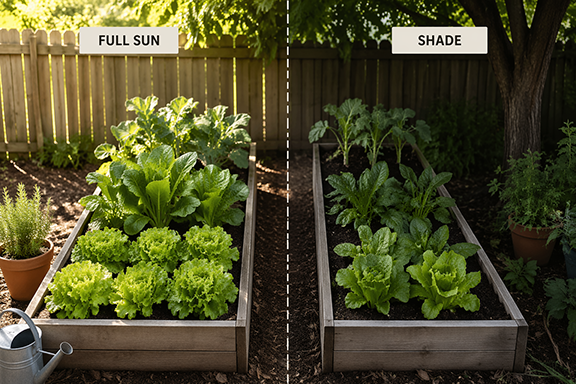
What to Plant in Shade (How to Grow Food Without Full Sun)
Not every homestead is bathed in perfect sunlight. Some of us are working with north-facing beds, dappled light, fence shadows, or just a few good hours of sun each day. That doesn’t mean you can’t grow food. It means you grow differently—and often more thoughtfully.
The first step is not planting. It’s observation.
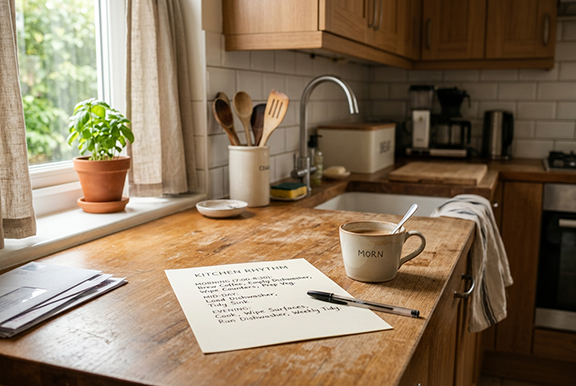
Tiny Homestead Habit: The Kitchen Rhythm Sheet
A kitchen rhythm sheet is a simple tool, but it quietly changes everything. Instead of reacting to dishes, meals, and mess as they pile up, you move through your day with a steady pattern. Nothing fancy. Just a repeatable flow that keeps the space working with you instead of against you.
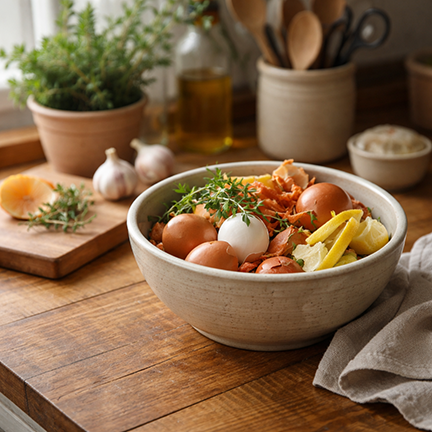
Tiny Homestead Habit: Keep a “Working Bowl” on the Counter
Some habits don’t need a schedule. They need a place.
A working bowl is exactly that—a simple bowl that lives on your counter and quietly gathers what your day produces: eggshells, vegetable peels, herb stems, coffee grounds. Not trash. Not scraps. Ingredients-in-progress.
This small shift changes how you see your kitchen.
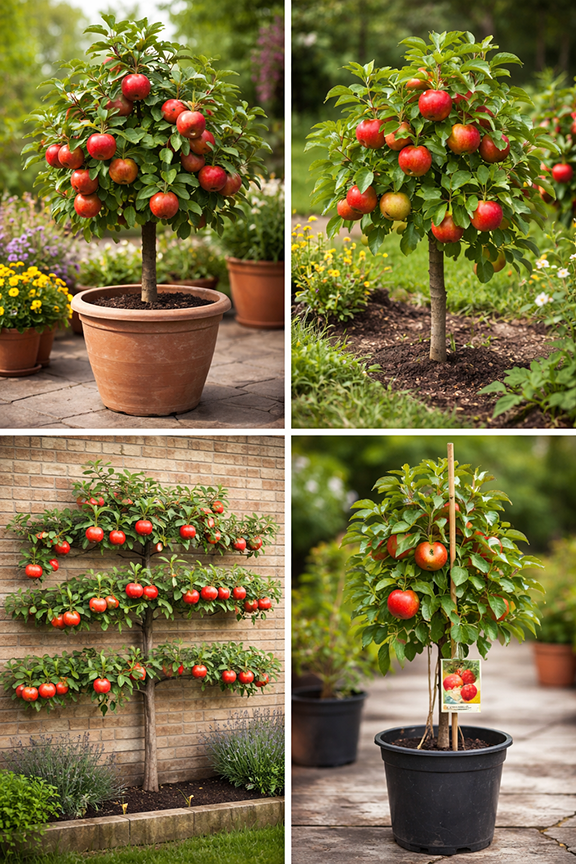
Growing Apples in Small Spaces
Yes, You Can Grow Apples in Containers (and Still Get Real Fruit)
Apples feel like orchard trees—wide, rooted, permanent. But that picture leaves out something important: apples are one of the most adaptable fruit trees you can grow. With the right rootstock and a little intention, they do just fine in containers—and they can still produce full-sized fruit.
If your homestead is a patio, a gravel yard, or a collection of grow bags in the shade, apples are not off the table.
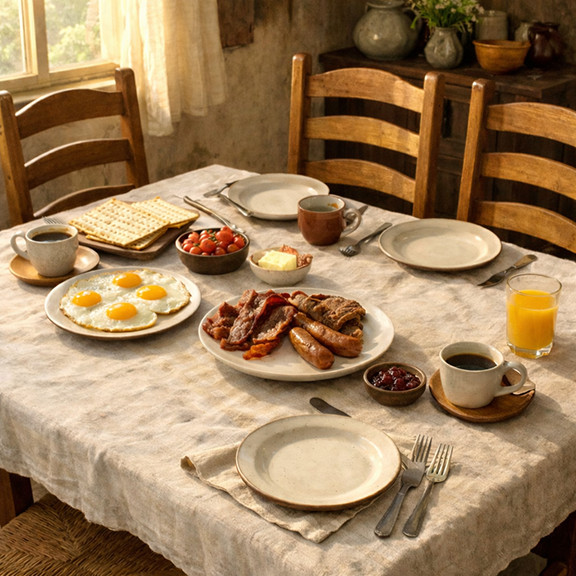
What to Cook After Passover (Without Starting From Scratch)
When Passover ends, the house shifts again.
Bread returns. Regular ingredients come back into the kitchen. The restrictions lift, but that does not mean you need to start over.
In fact, the best way to move out of Passover is not with a big reset, but with a gentle transition.
Start by looking at what you already have.
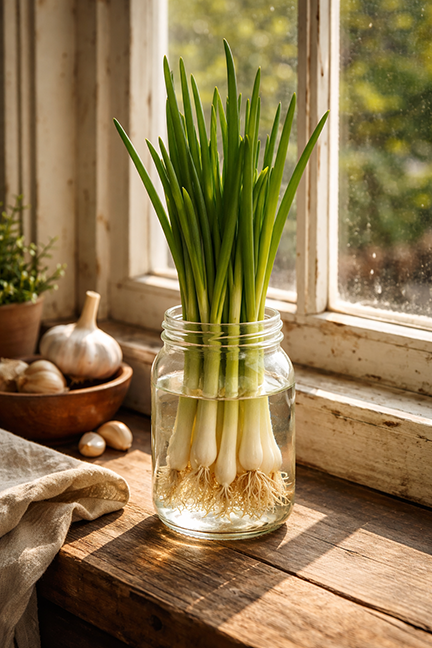
Tiny Homestead Habit: One Tray of Something Growing
Early spring always stirs the desire to grow something—not a full garden, not a complicated plan, just something alive within reach. In a small space, that matters more than most people expect.
A single tray of greens on the counter shifts the atmosphere of a room. It moves you from waiting for the season to already participating in it.
This week’s tiny habit is simple: grow one small thing.
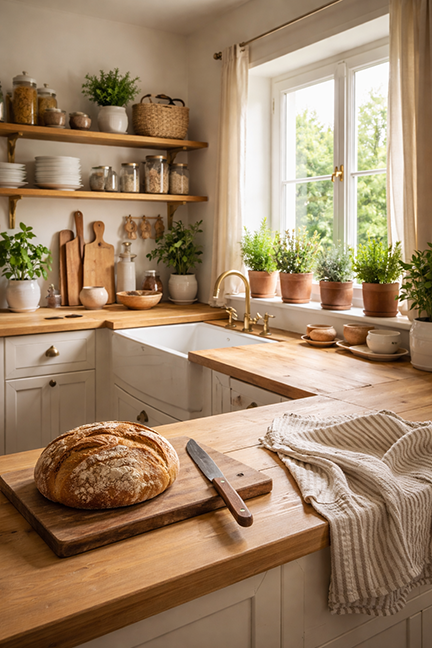
How to Build a Simple Kitchen Rhythm That Actually Works
Most people think a well-run kitchen comes from having the right system.
The right planner. The right routine. The right set of recipes.
It doesn’t.
A working kitchen comes from rhythm, not control.
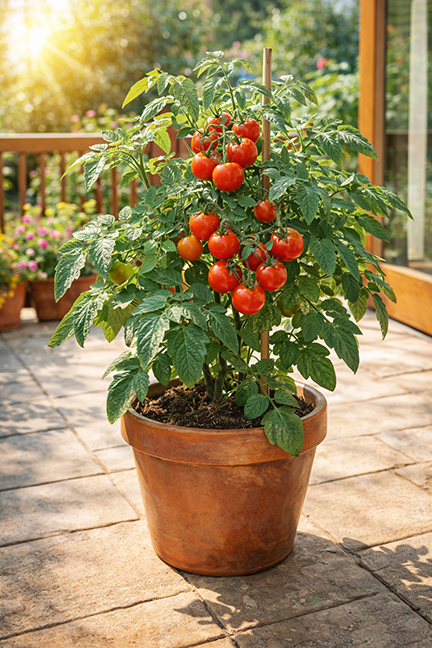
How to Choose the Right Plants for Your Space (Not Someone Else’s Garden)
One of the fastest ways to get discouraged in gardening is to grow the wrong plant in the wrong place.
It looks simple online. Bright photos, full baskets, lush growth. But those images are usually taken in ideal conditions—full sun, rich soil, long growing seasons.
Most homes do not have that.
Choosing the right plants starts with telling the truth about your space.
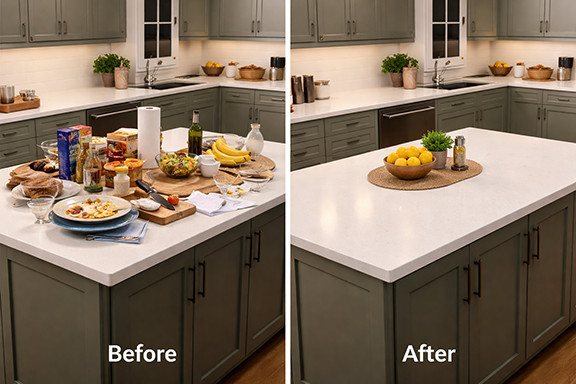
Tiny Homestead Habit: Clear One Surface Completely
Passover sharpens your awareness of your home. Crumbs, clutter, and neglected corners all come into focus at once, and that can quickly turn into overwhelm.
This week’s tiny habit is simple: clear one surface completely.
Choose a single counter, table, or shelf and take it all the way down. Remove everything, wipe it clean, and return only what truly belongs there.
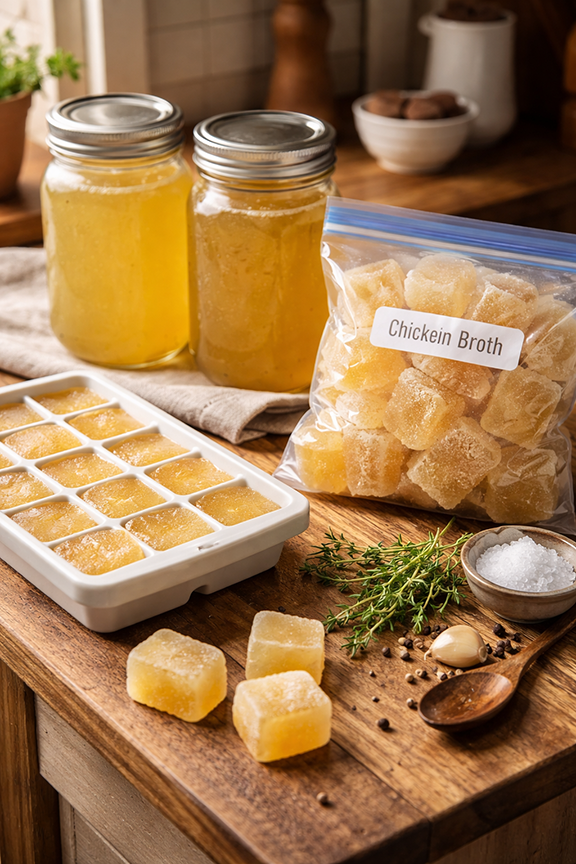
Tiny Homestead Habit: Keep Broth in the Freezer
There is a kind of quiet security that comes from knowing there is broth in the freezer.
Not a complicated meal plan. Not a stocked pantry with everything in its place. Just a few jars or containers tucked away, ready when you need them.
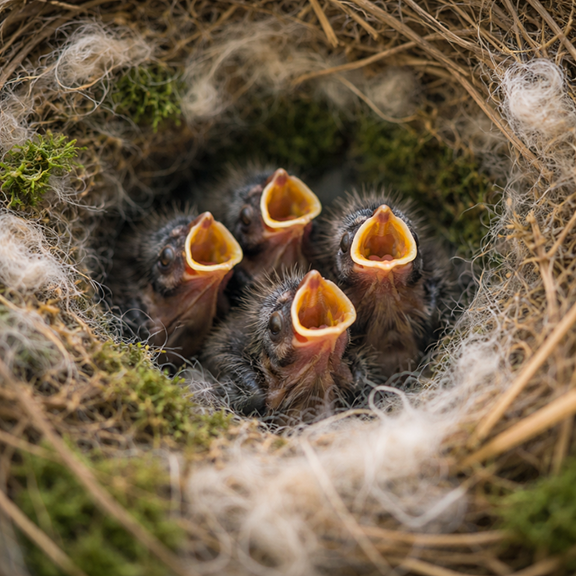
A Simple Nesting Station for Backyard Birds
Spring is nesting season, and birds are constantly searching for bits of fiber, twigs, and soft materials to build their homes. A simple wire nesting station lets children watch birds gather materials and begin building nests nearby.
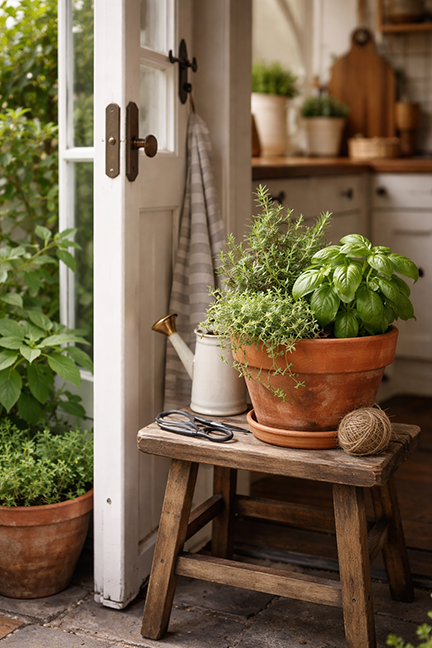
Tiny Homestead Habit: Keep Herbs Near the Kitchen Door
Tiny homesteads aren’t built in a single weekend project. They grow slowly through small, faithful habits—watering a pot of herbs, feeding a sourdough starter, hanging laundry in the morning sun. In this series, I’m sharing the tiny homestead habits that bring life, rhythm, and nourishment to an ordinary home.
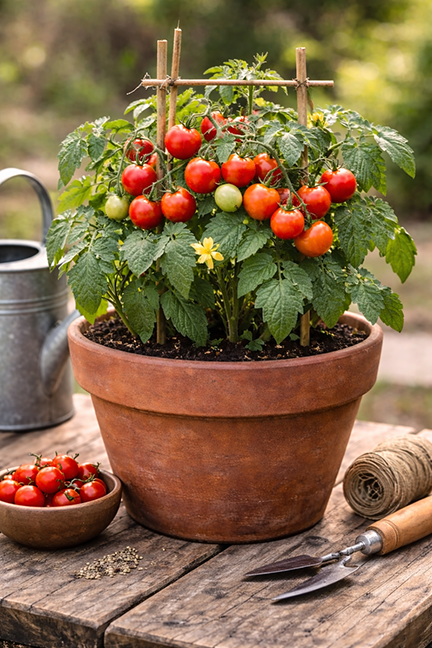
Five Things You Can Grow Even If You Only Have Pots
One of the biggest myths about homesteading is that you need land. Acres of garden beds and long rows of vegetables certainly look beautiful in photographs, but the truth is that a surprising amount of food can be grown in a handful of containers.
Many of the most useful kitchen plants actually thrive in pots. Containers warm up quickly in the spring, drain well after storms, and can be moved around to catch the best sunlight. For those of us living in dry climates or places with difficult soil, container gardening can even be easier than planting directly in the ground.
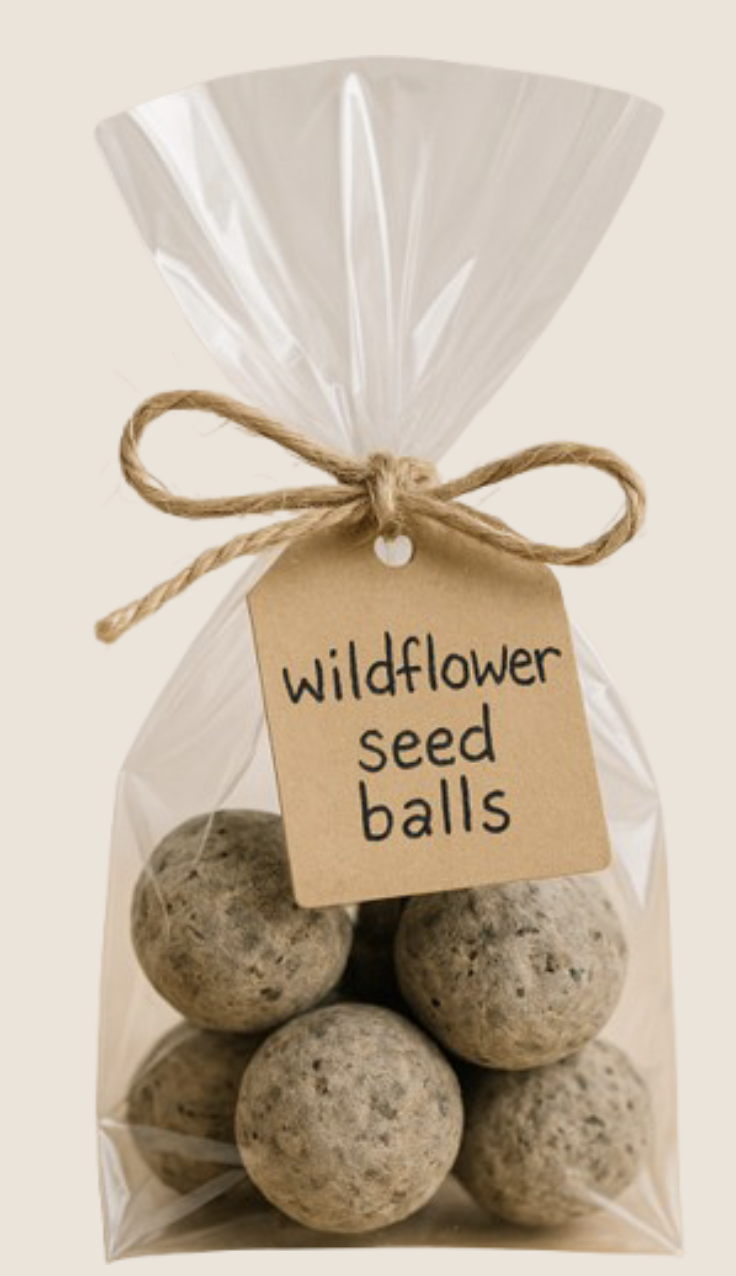
Seed Bombs: A Simple Spring Project While We Wait for the Thaw
This week we made seed bombs.
If you’ve never made them before, seed bombs are just little balls of soil, clay, and flower seeds. When you toss them into the garden later, the rain softens them and the seeds sprout right where they land. Kids absolutely love the idea that they can throw something now and flowers will appear later.
It feels a bit like planting tiny secret gardens.
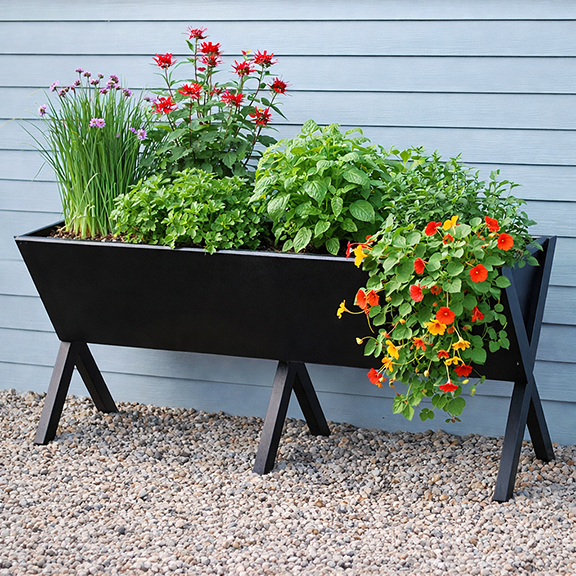
Spring Gardening Plans for a High-Desert Homestead
Every year, about six weeks before planting time, I start thinking about the garden again. Here in Grand Junction, spring doesn’t rush in. It arrives slowly, teasing us with warm afternoons before the last frost finally passes sometime around late April or early May. That makes early March the perfect time to sit down with a cup of tea and make a plan.
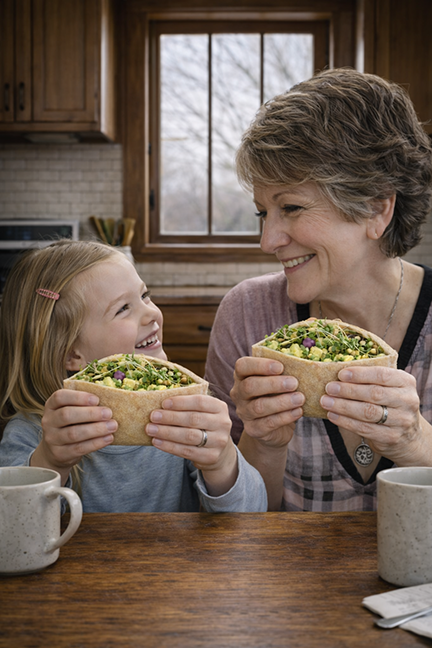
How to Make Sourdough Pita Bread for Sprouts and Microgreens
If you’re already growing sprouts on your kitchen counter or harvesting trays of microgreens, you only need one more skill to turn them into a complete, nourishing meal: homemade pita bread. This easy sourdough pita recipe creates soft, pocket-style flatbread perfect for stuffing with fresh sprouts, egg salad, cheese, or leftover chicken.

Snow Falling, Muffins Rising: Using Up Lemons and Apples on a Small Homestead
The first real snowfall of the season always changes the rhythm of the house. The world goes quiet. The light softens. Even Izzy loses her dignity and launches herself at snowflakes like they personally offended her.
It feels like a day that requires something warm in the oven. Not fancy. Not complicated. Just steady, fragrant comfort. If you have lemons on the counter and apples that need to be used up, this is your week.
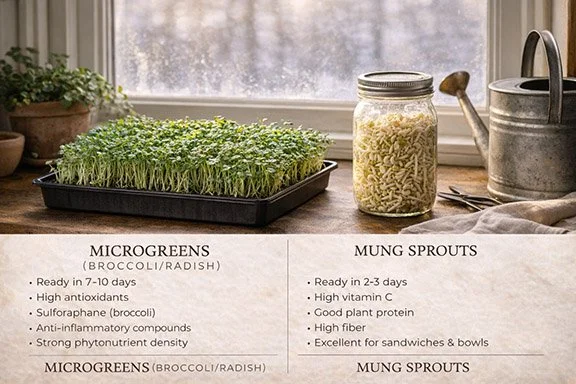
Mung Sprouts or Microgreens? What Actually Supports Your Immune System
After getting sick more times than I care to admit, I started asking a simple question: What can I grow, right here in my kitchen, that genuinely supports my immune system?
No acreage. No greenhouse. Just a windowsill.
The two obvious candidates? Mung bean sprouts and microgreens.
So which one is better?
The honest answer is: they do different jobs.
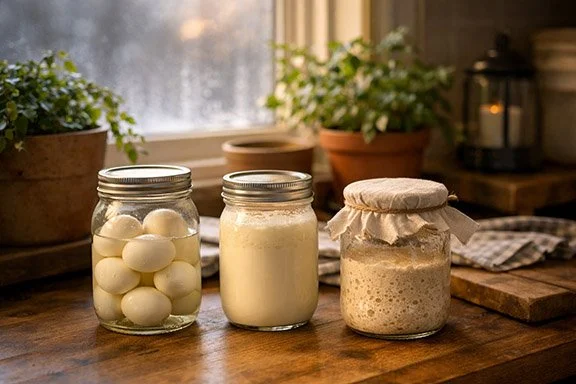
What a Day in the Life of a Small-Space Homestead Really Looks Like
There’s a myth that homesteading requires acreage, livestock, and perfect health. This morning proves otherwise. It’s winter. I’m fighting yet another round of illness. And still, the day began at the crack of dawn.
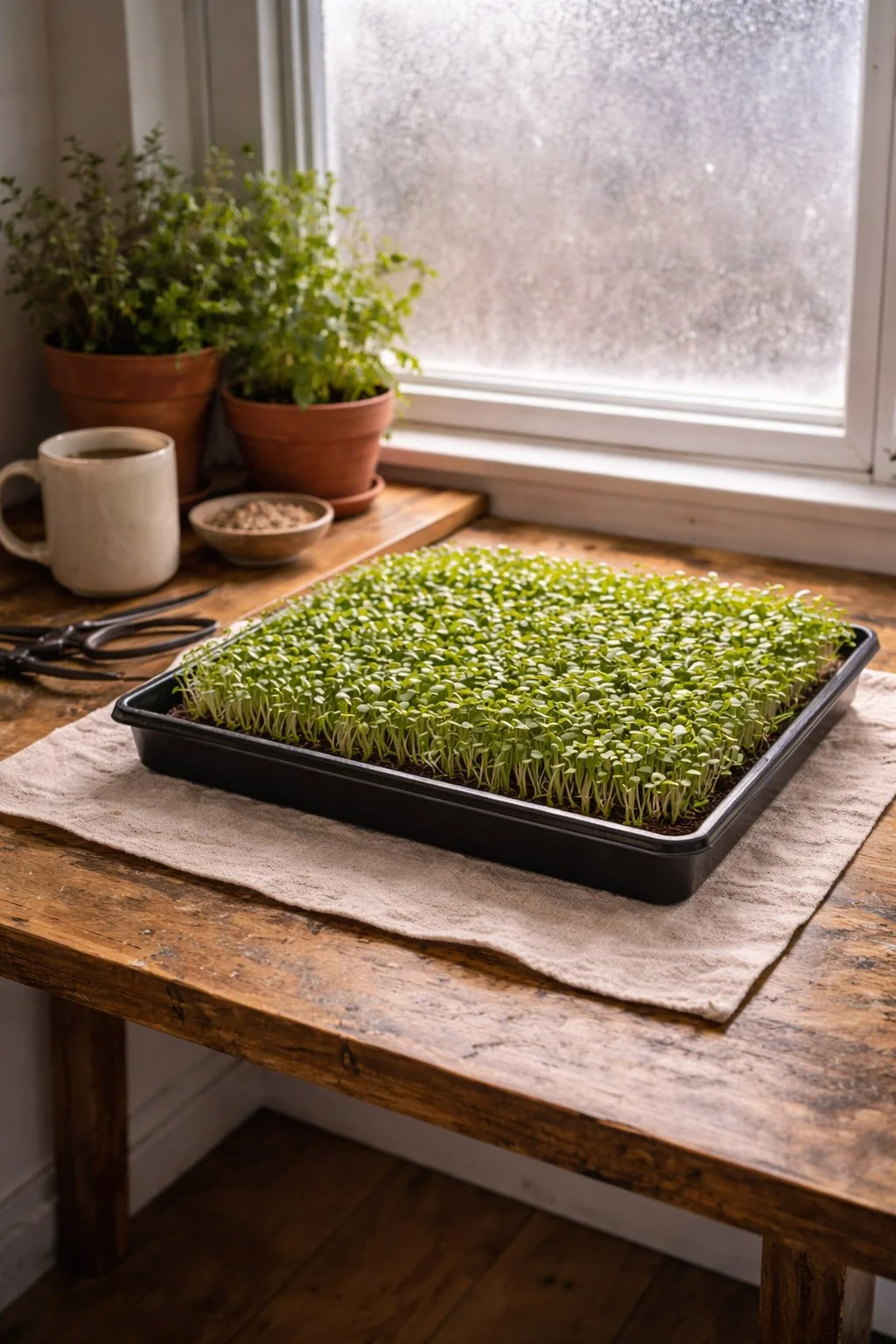
Growing Microgreens in a North-Facing Studio: A Conversation
I have a glass-top table in my studio. A north-facing window. No grow room. No shelves of lights. Just a little square of space and a question: Can you really grow food indoors without turning your house into a greenhouse?
join me!
Sign up for my newsletter and never miss a post. Download freebies and get discounts on merchandise.