
Creative Sabbath
Rest, Rhythm, and Making with Intention
Creative Sabbath is not a program. It is not a challenge. It is not a productivity system disguised as rest.
It is a posture.
This space gathers essays and practices that explore what it means to create from rest instead of hurry, to live inside rhythm instead of rush, and to let making serve peace rather than compete with it.
I write these pieces for women who make — with their hands, their homes, their words, their work — and who sense that exhaustion is not the price creativity is meant to demand.
If you like freebies, scroll to the bottom of this page. And check back often. I add new ones all the time!
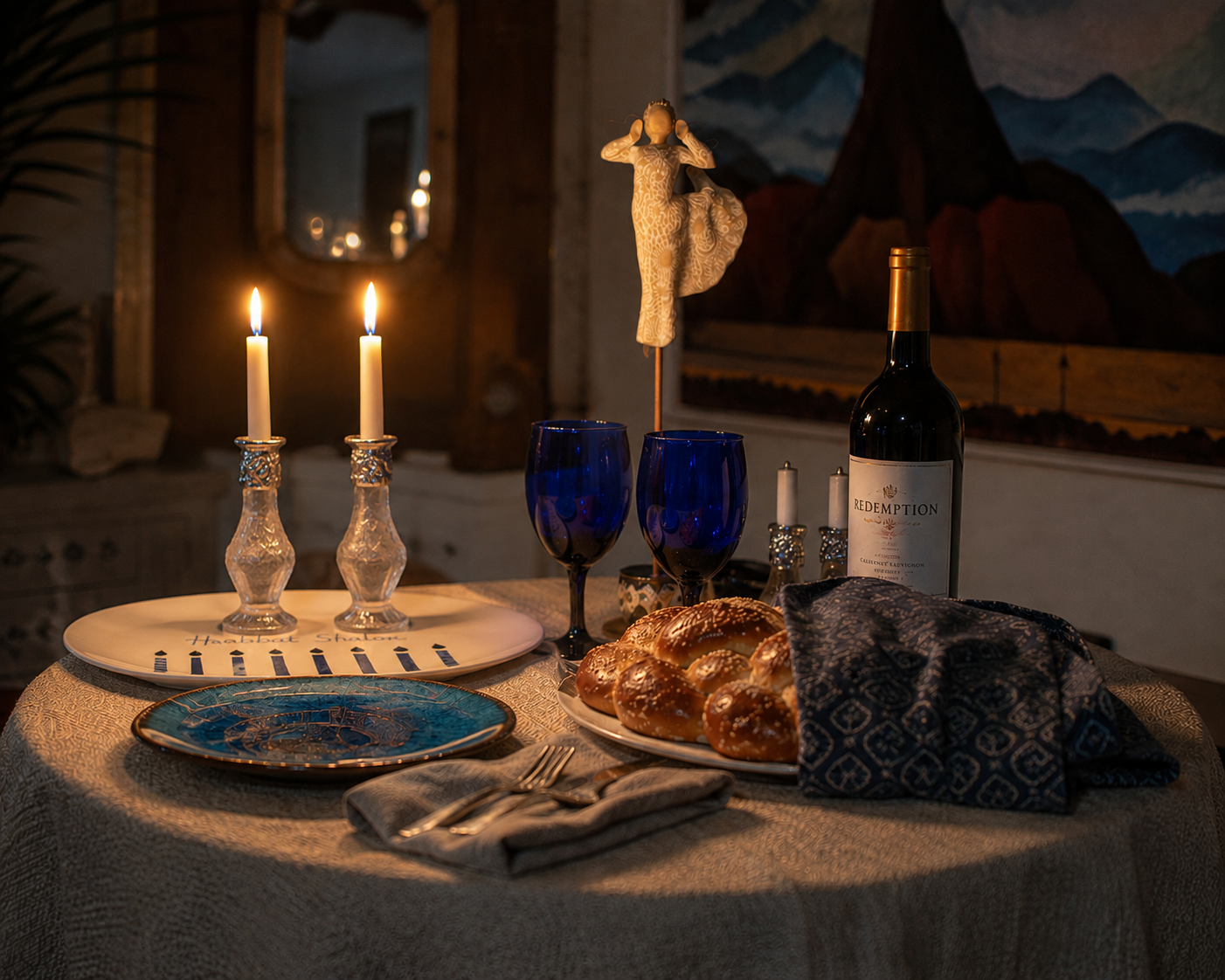
Creating a Sabbath Table
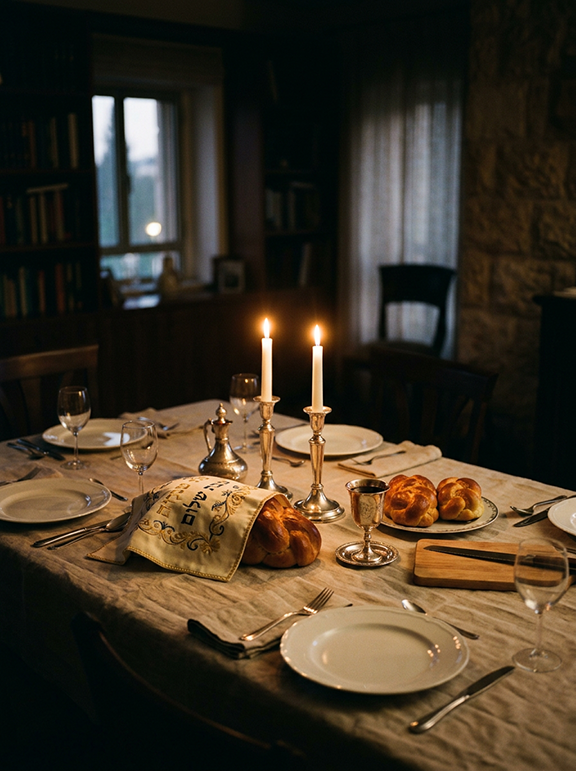
My Sabbath table doesn’t need to be elaborate to be meaningful. Candles, bread, wine, a shared meal, and traditions gathered over the years help turn an ordinary table into a place set apart for Shabbat.
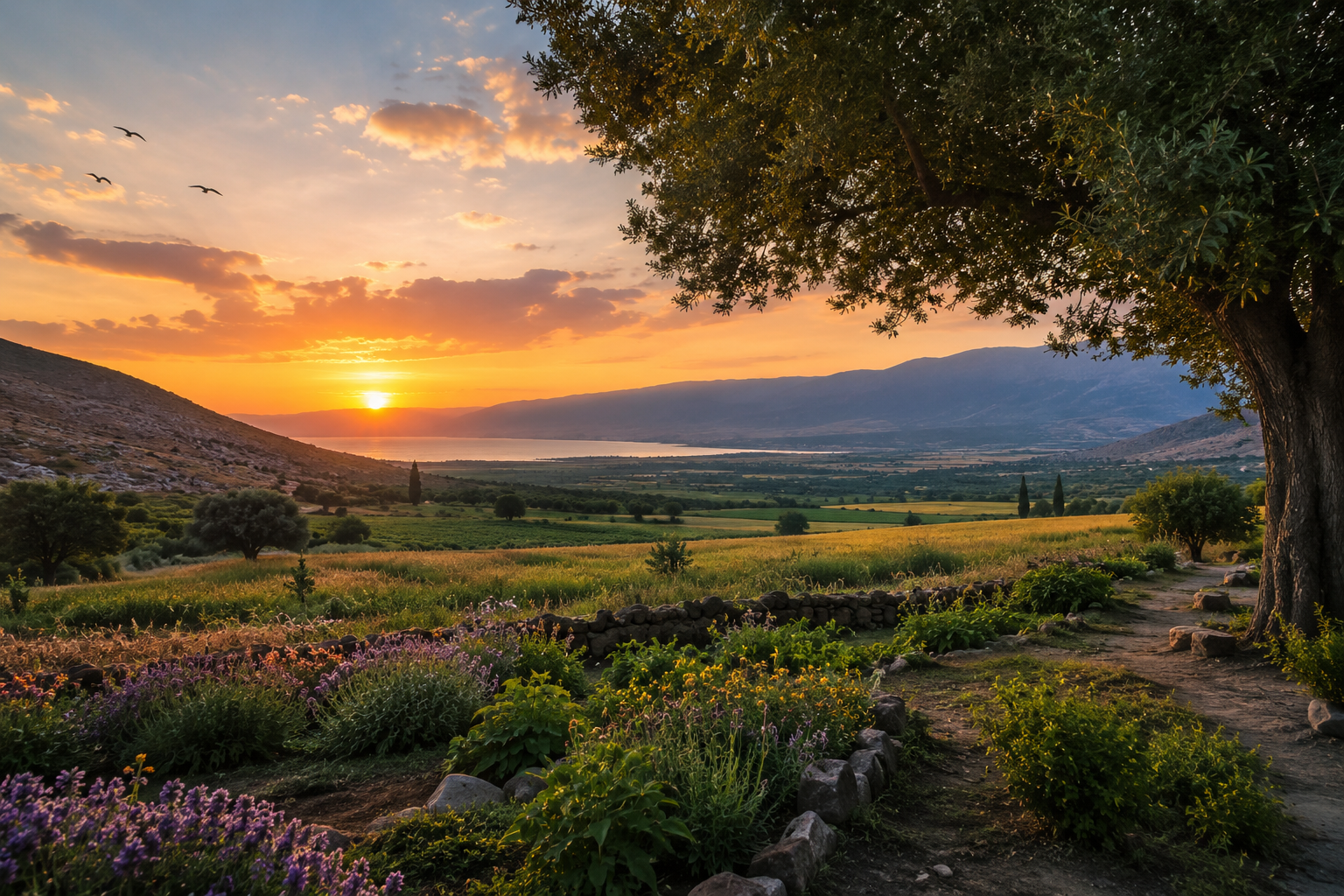
Why Does God Give Two Reasons for Shabbat?
Exodus tells Israel to keep Shabbat because God created the world. Deuteronomy gives a different reason: because they were slaves in Egypt and God set them free. Those two explanations reveal something beautiful about the meaning of Shabbat—and about the God who both creates and redeems.
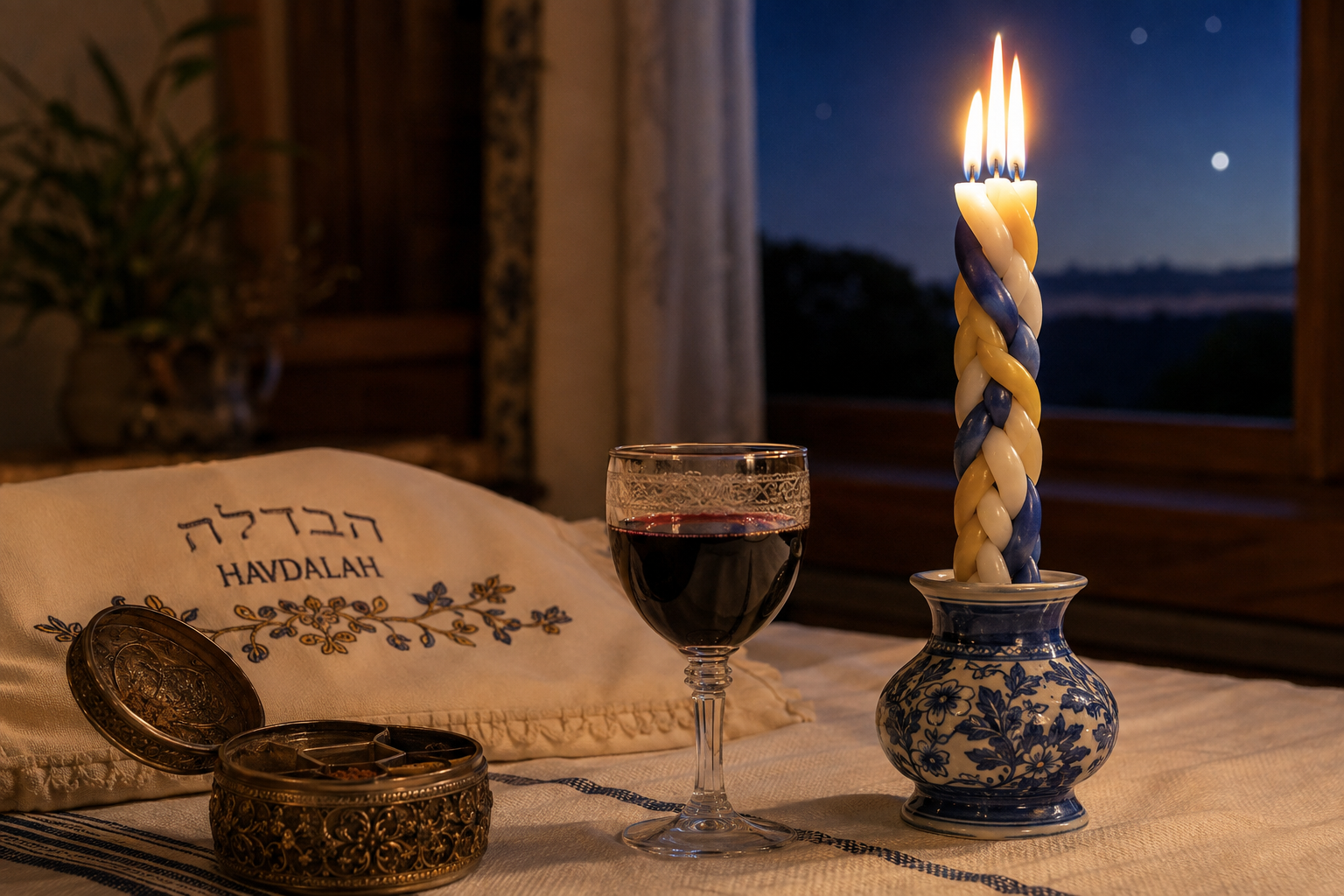
Havdalah: Ending Shabbat and Returning to Ordinary Time
How do we leave the holiness of Shabbat and return to the ordinary week? Havdalah is a beautiful Jewish tradition of wine, spices, light and blessing that marks the boundary—and offers followers of Yeshua a meaningful way to linger as Shabbat departs.
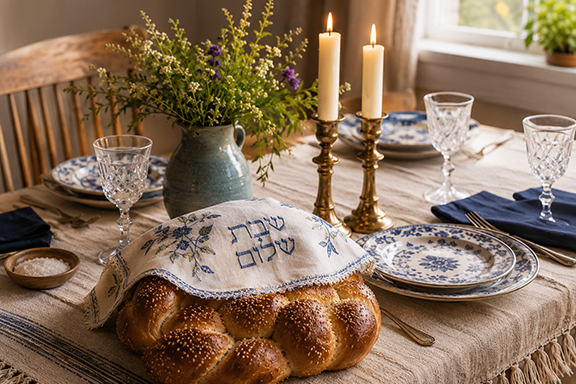
Preparing for Shabbat Before the Sun Sets
Preparing for Shabbat is about more than getting dinner on the table before sunset. By spreading ordinary preparations throughout the week, we can let Friday carry less—and make room to welcome Shabbat with greater peace, intention, and rest.
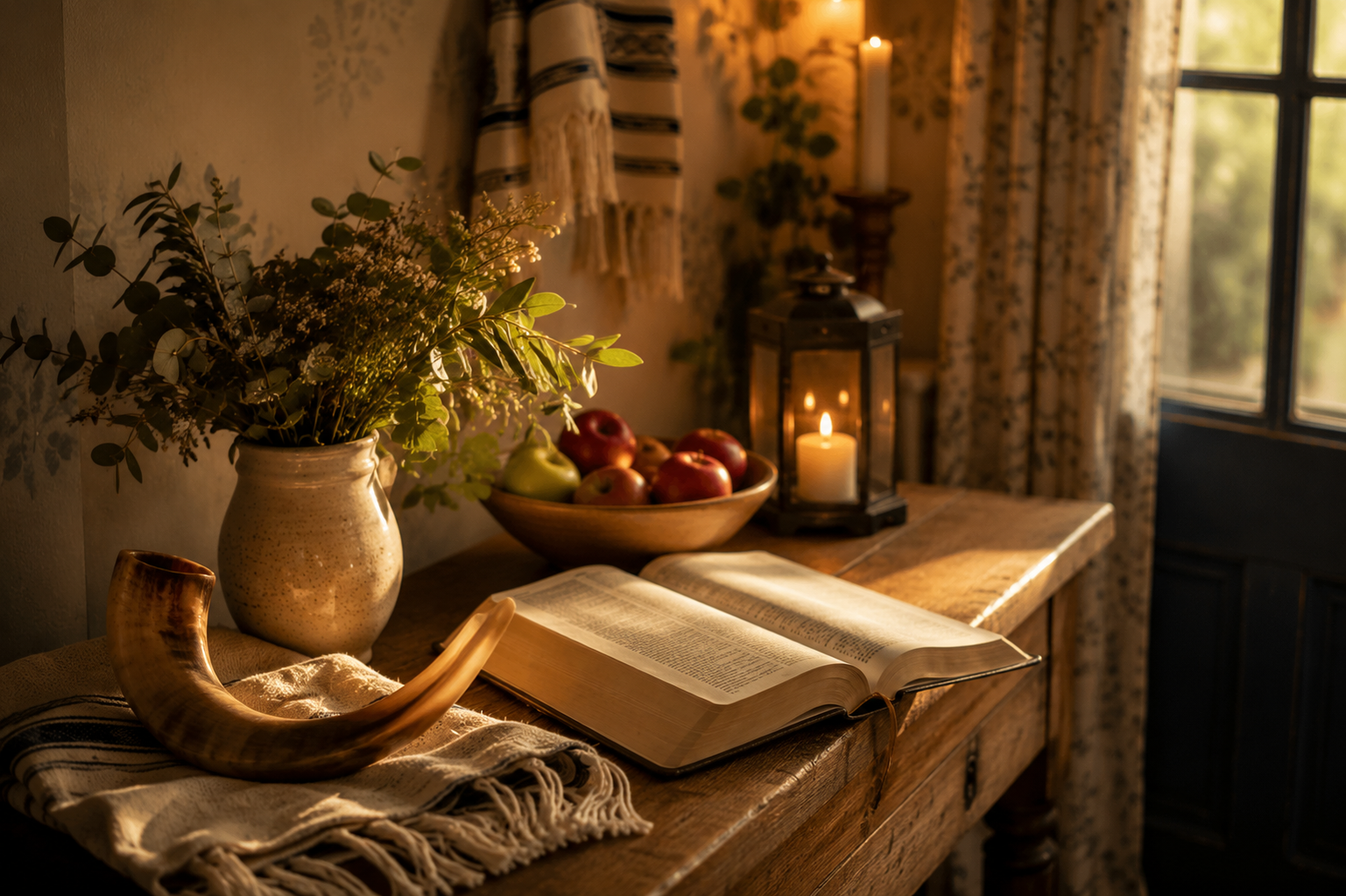
Between Shavuot and Yom Teruah: How to Keep Your Family God-Focused Between Holidays
The Space Between the Feasts Matters
Shavuot reminds us of covenant, harvest, provision, obedience, and the giving of God’s instruction. Yom Teruah calls the household to attention. It wakes people up. It interrupts the drift. It begins the fall appointed times with a sound that says, “Pay attention.”
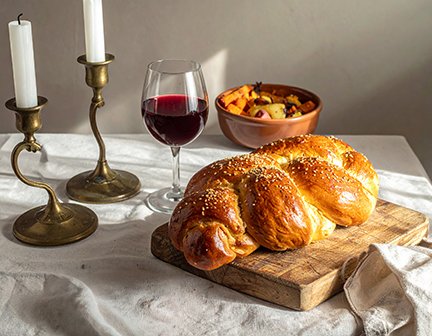
How to Prep a Simple Sabbath Meal Without Spending All Day in the Kitchen
Preparing a Sabbath meal does not require a full day of cooking or a complicated menu. What it requires is a small amount of intention early in the week and a Friday rhythm you can repeat without thinking too hard about it. If you have a working kitchen and about 90 minutes on Friday afternoon, you have enough to set a real table and sit down to something made with care.
This post walks through a practical approach to simple Sabbath meal prep — one that works in small homes, with limited storage, and without turning Friday into a second full workday.
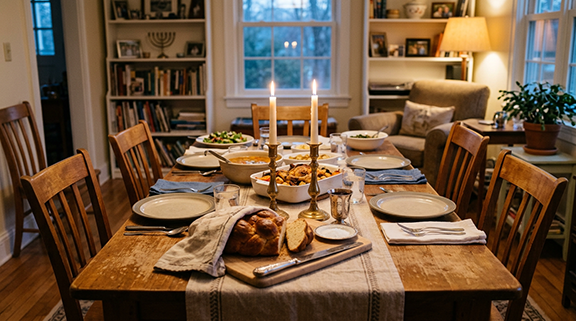
What Keeping Sabbath Looks Like in Real Life
Keeping Sabbath does not have to look polished to be faithful. In our home, it begins Friday evening, gathers us with our kahal, and closes with Havdalah after sundown.
Sabbath Rest: The Work Is Already Complete
By the time Sabbath comes, most people are tired.
Not just physically—though that is real—but deeply, inwardly spent. The week has taken something, and rest feels like the attempt to get it back.
So we collapse.
We sleep longer. We move slower. We try to recover what was drained.
But that is not what Sabbath is.
Sabbath is not the recovery of what was lost.
It is the recognition of what was already finished.
Why We Began Shabbat at Home (And Why We Kept It Simple)
We didn’t begin Shabbat because we had mastered theology.
We began because we were tired of living without rhythm.
For years, I had studied the Scriptures with care. The Sabbath was not hidden. It was not obscure. It was woven into creation itself. God did not rest because He was exhausted. He rested because the work was complete. He blessed a day and set it apart in time.

Shabbat Is Different Time
There is a way to live as though all time is the same.
Monday blends into Tuesday. Friday bleeds into Sunday. Every day is measured by output, urgency, and the quiet pressure of unfinished tasks.
But Shabbat interrupts that rhythm.
Shabbat is not merely a day off. It is not recovery from exhaustion. It is not collapse.
Shabbat is different time.

Why We Resist True Rest (and Why Sabbath Still Works)
True rest often feels uncomfortable because it reveals misalignment. Explore why we resist Sabbath and how rest realigns us with completed time.
Preparing for Rest Is Work (and Why That’s Not a Contradiction)
Sabbath doesn’t fail because people don’t love rest.
It fails because they try to drop into it unprepared.
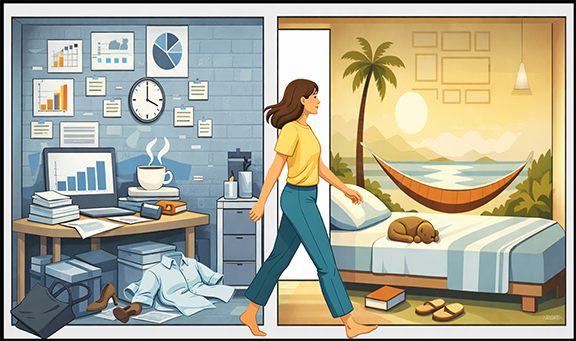
We imagine rest as a soft landing—something we simply enter once the work stops. But for most of us, work doesn’t stop cleanly. It trails behind us like loose threads: unfinished tasks, unanswered emails, half-made decisions, lingering responsibilities. When we ignore those threads and attempt to “just rest,” they don’t disappear. They tighten.
That’s why Sabbath often feels restless.
Hope on the Kitchen Counter
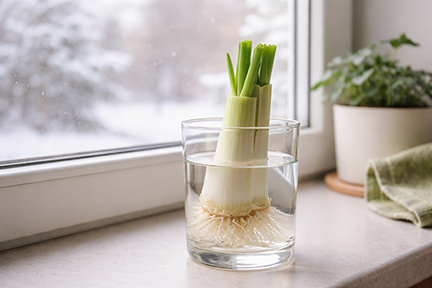
Winter can feel endless to kids. The days are short, the ground is hard, and everything outside looks frozen in place. Nothing seems to be happening. Nothing seems to be growing. For young eyes especially, it can feel like the world has gone quiet—like life itself has pressed pause.
But winter isn’t the absence of growth. It’s the season of rest.

Sabbath When You Don’t Sleep Well
Sabbath is often taught as rest for the weary—but what if you are weary because you don’t rest well?
For those of us who live with insomnia, chronic pain, or bodies that don’t follow predictable rhythms, Sabbath can feel complicated. We hear invitations to rest, but rest has never been simple for us. Lying down doesn’t guarantee sleep. Letting go doesn’t always bring relief. Sometimes stopping feels more vulnerable than continuing.

When Rest Feels Risky
Sleep is something that may or may not come. Rest is something I can choose. Rest is lowering demand. It’s stopping the constant bracing. It’s allowing my body to focus on healing instead of endurance.
The Theology of Enough
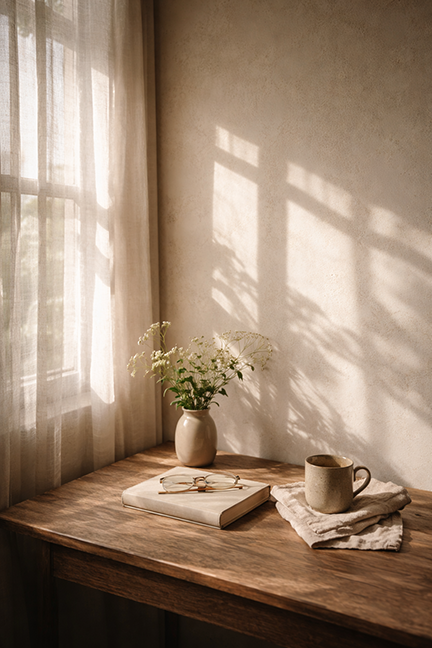
Sabbath is not primarily about stopping work. It is about learning where work ends.
Each week, Sabbath draws a boundary and says: This far, and no farther.
Not because the work is finished — it rarely is — but because humans are not meant to live without limits.
What I Mean By Creative Sabbath
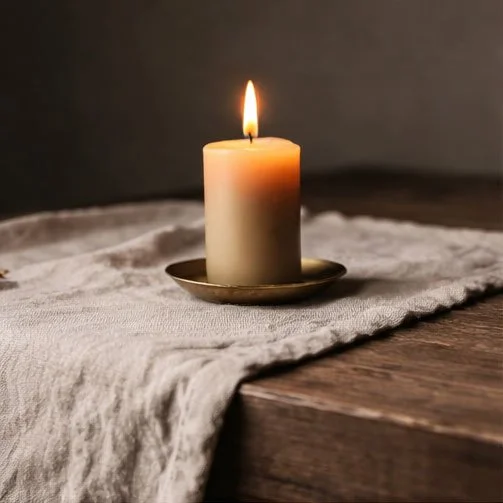
When I use the phrase Creative Sabbath, I’m not talking about taking up a new hobby.
I’m not talking about productivity dressed up as rest.
And I’m not talking about filling every quiet moment with something useful.
I’m talking about posture.
Creative Sabbath is the way I choose to hold my time, my hands, and my attention — especially when life is full, noisy, or demanding more than I can comfortably give.
Why Rest Makes Better Makers
Some of the most beautiful work I’ve done came after I slowed down.
Not because I suddenly became more skilled, but because I became more patient.
Rest gives me the space to let ideas mature instead of forcing them into shape too early. It helps me recognize when something isn’t ready yet — and to wait without panic.
Speed can finish things. Rest makes them better.
Time That Turns: Living Outside The Rush
Even when a particular week is not marked as sacred time on the calendar, I can still choose to live by Sabbath principles.

Preparation Is Not Hurry
When I prepare from a place of peace, I’m not trying to outrun the future. I’m simply acknowledging that time turns, and I will meet the next moment soon enough.
Preparation becomes a way of caring for myself in advance.