
Homestead Musings


Tiny Homestead Habits: Stewardship Begins with Gratitude
Before thinking about what the homestead needs next, take a moment to notice what has already been placed in your hands. Gratitude changes the way we see our food, tools, time, homes, gardens, and resources—and it may be where good stewardship really begins.
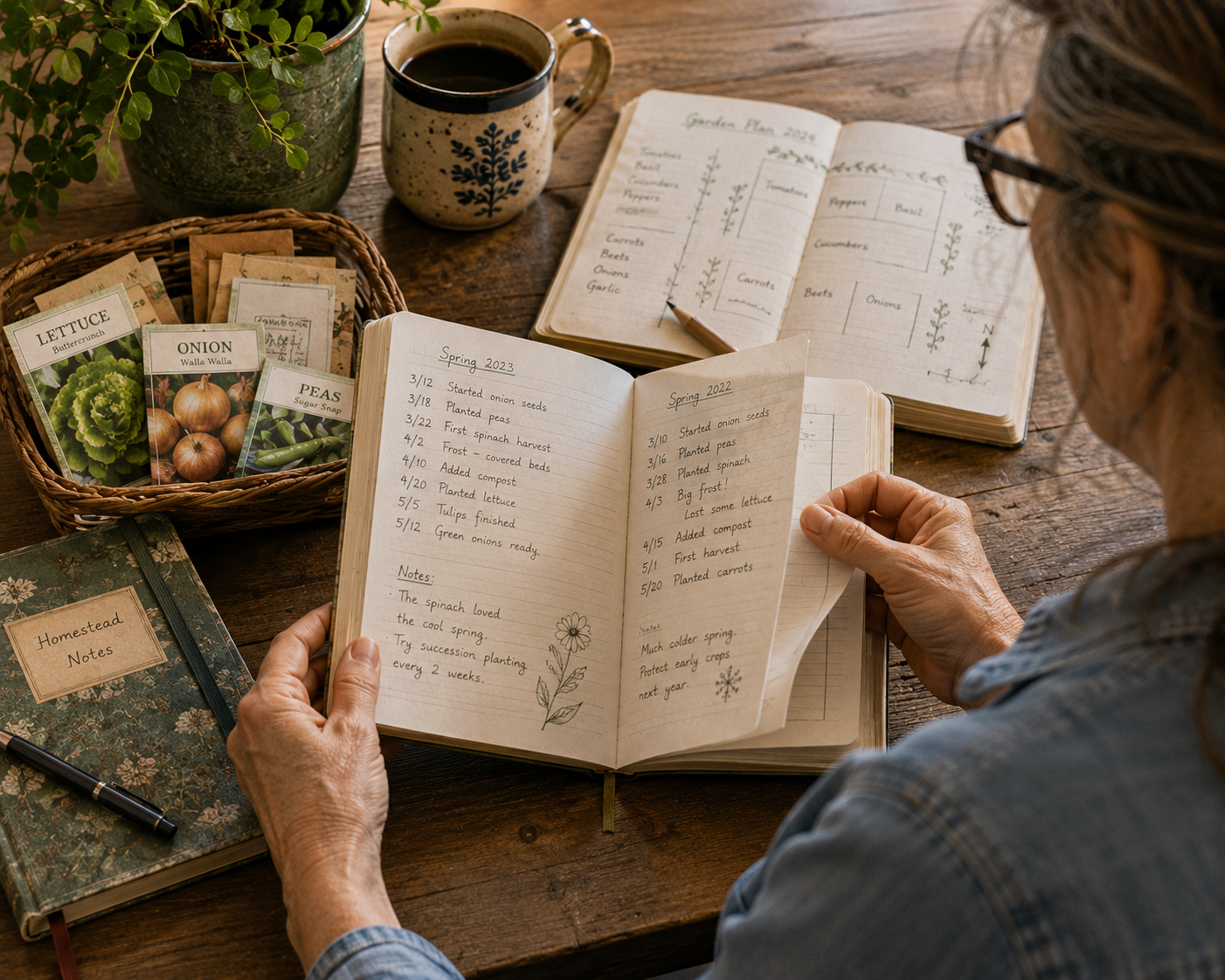
Keeping a Homestead Notebook
Your homestead is constantly teaching you things—but remembering them next season is another matter. A simple homestead notebook becomes a record of what worked, what didn’t, what you changed, and all those little details your future self will be very glad you wrote down.
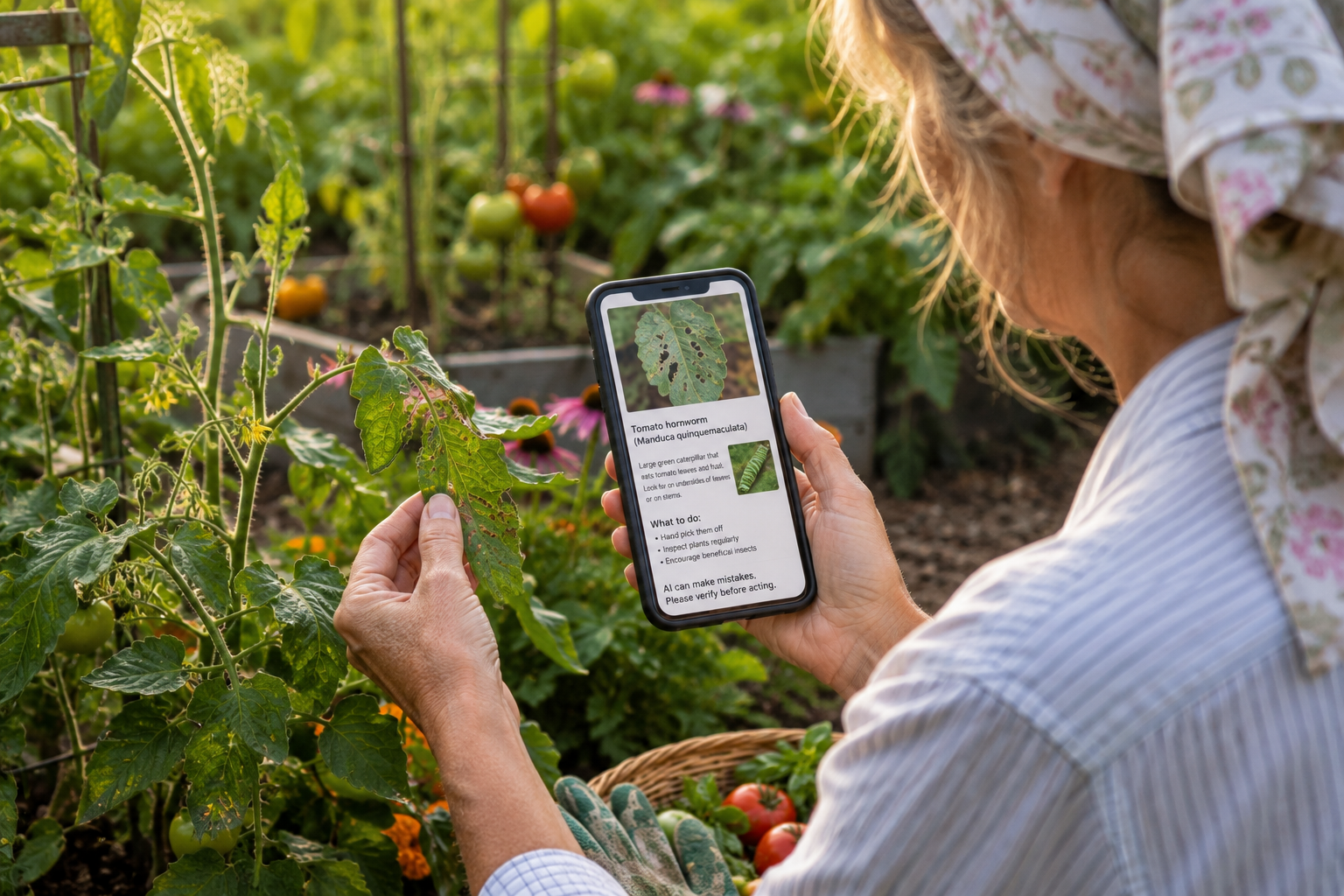
Tiny Homestead Habits: Five-Minute Garden Walks
You don’t need an hour to tend your garden well. A simple five-minute walk each day helps you notice what has changed, catch small problems before they become big ones, and become more familiar with the little patch of earth in your care.

The Gift of Ordinary Days
Most of life happens in ordinary moments—the morning coffee, familiar chores, conversations across the room, and plants that need tending. Perhaps gratitude begins when we stop waiting for something remarkable and notice how much goodness is already here.
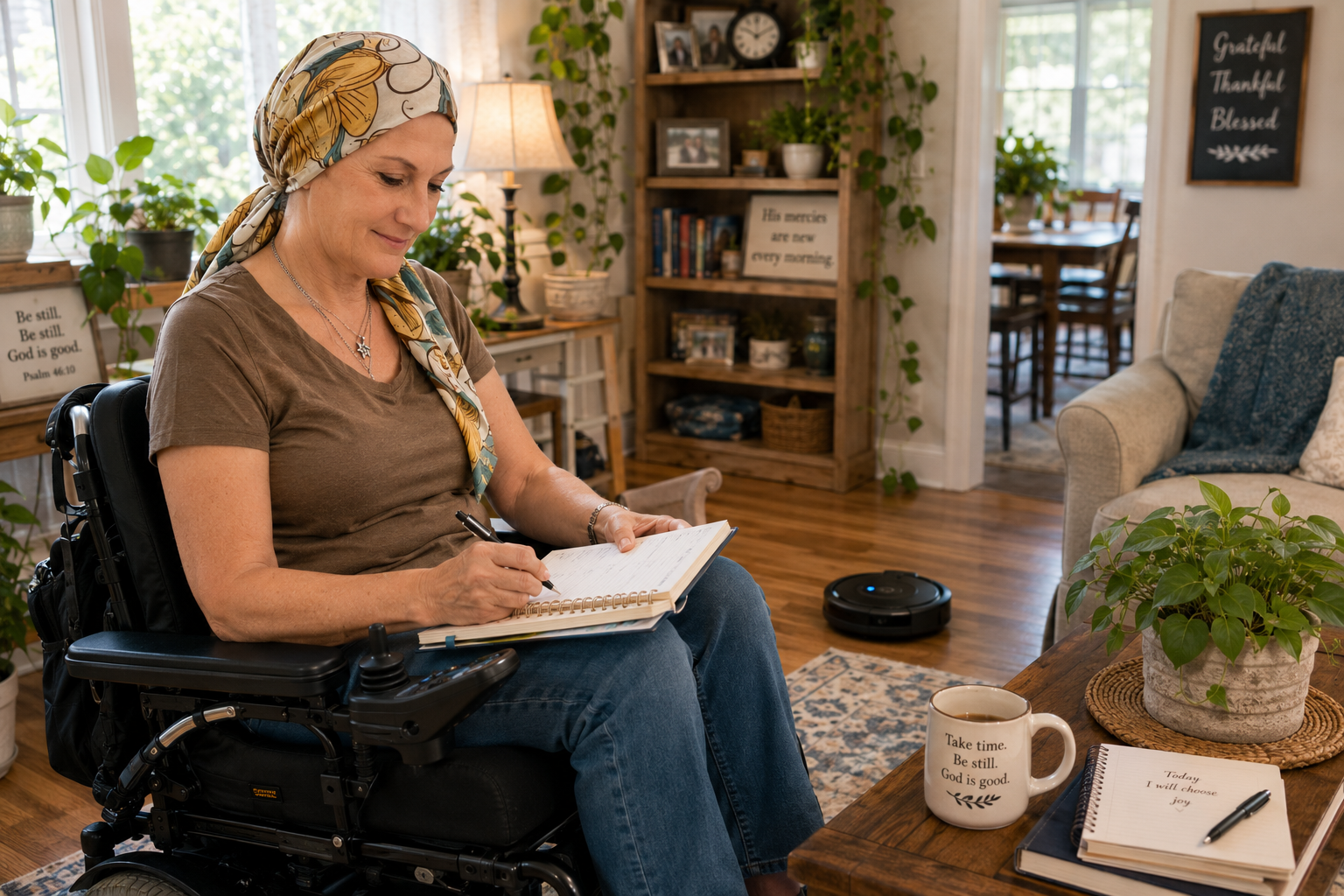
Tiny Homestead Habits: The Morning Reset
My morning reset isn’t about cleaning the whole house before the day begins. It’s a handful of small habits—caring for the dog and plants, putting the house in order, starting the machines, checking the day ahead, and making time for study—that help everything run a little more smoothly.
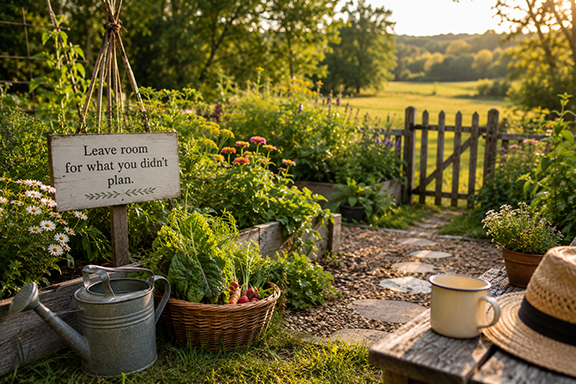
Why Every Homestead Needs Margin
Homesteading teaches us to make good use of what we have—but that doesn’t mean filling every hour, shelf, garden bed, or corner. I’m learning that margin isn’t wasted space. It’s the room that allows a homestead, and the people who live there, to breathe.
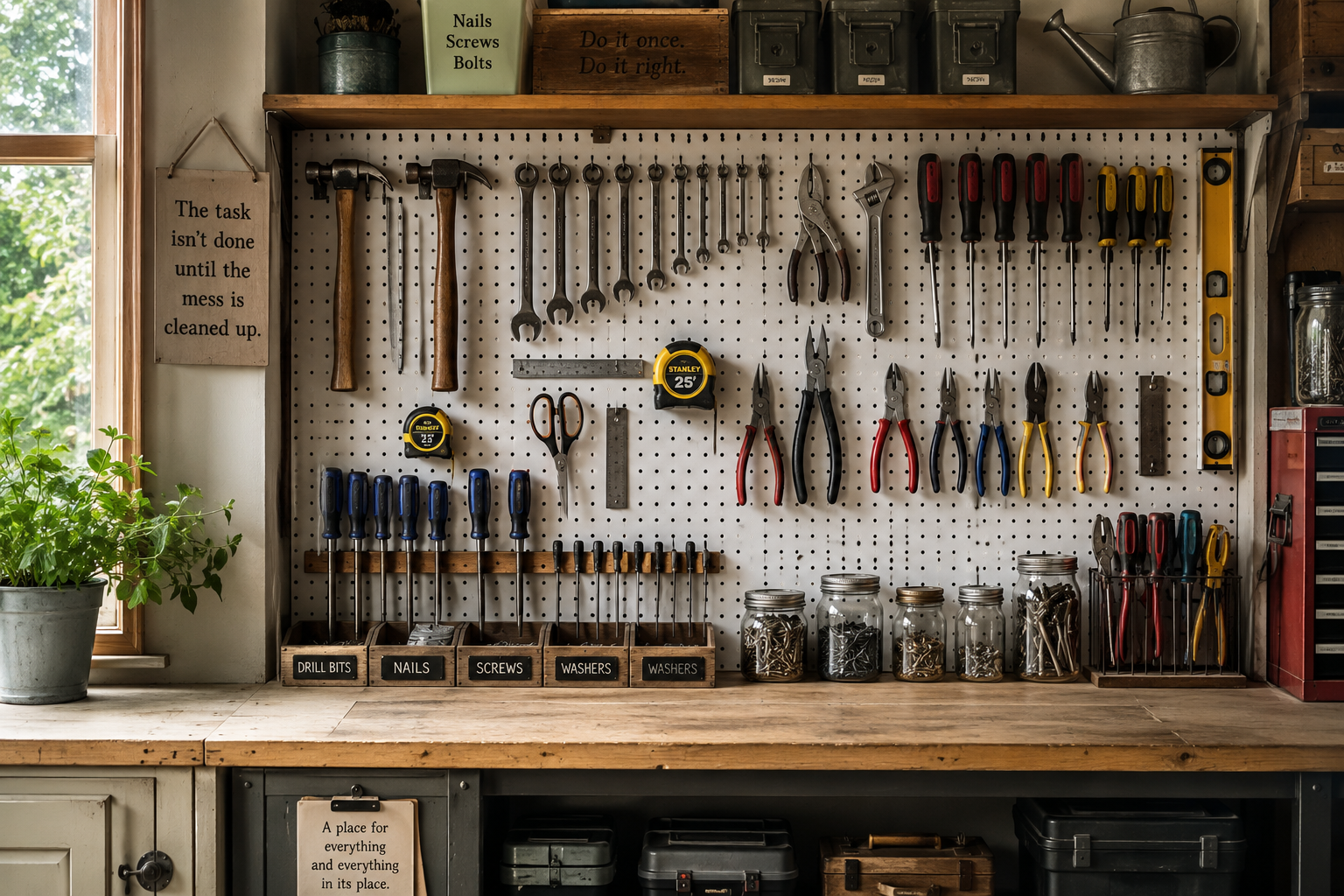
Tiny Homestead Habit: Put It Away.
Somewhere along the way, ordinary country practices became something we call homesteading. But perhaps the heart of it is still surprisingly simple: use what you have, take care of it, and when the job is finished, put everything back where it belongs.
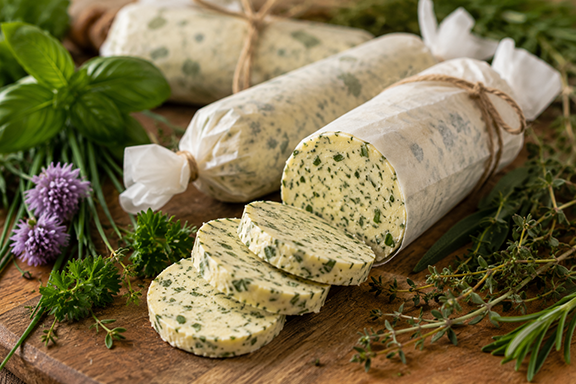
Fresh Garden Herb Butter: A Little Taste of Summer to Keep
urn an abundance of fresh garden herbs into flavorful homemade herb butter. Make a batch for the table, freeze some for later, and download the free 4×6 recipe card and herb substitution chart.
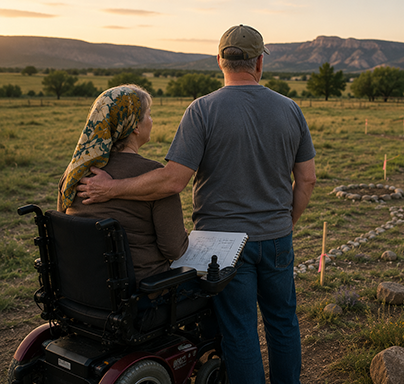
The Homestead Is Growing Me
I may be waiting for the homestead to grow, but the homestead is already growing me. Even in a season of smaller spaces and changed abilities, there is still something to tend—and something being cultivated in us along the way.
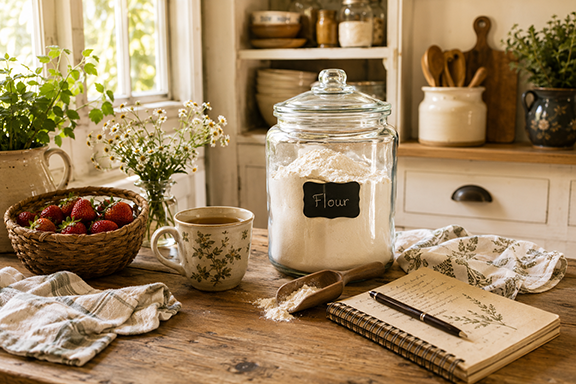
Tiny Homestead Habits
Big changes rarely happen all at once. The most peaceful homes and thriving homesteads are built through small, faithful acts of stewardship repeated day after day. Discover five simple habits that can make tomorrow a little easier while helping you care well for what God has entrusted to you.
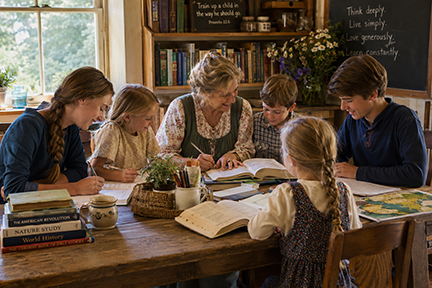
Every Homeschool Begins at Home
After homeschooling five children through high school and later teaching two of my grandchildren, I've learned that the greatest gift we can give our children isn't the perfect curriculum—it's the confidence to keep learning for the rest of their lives.
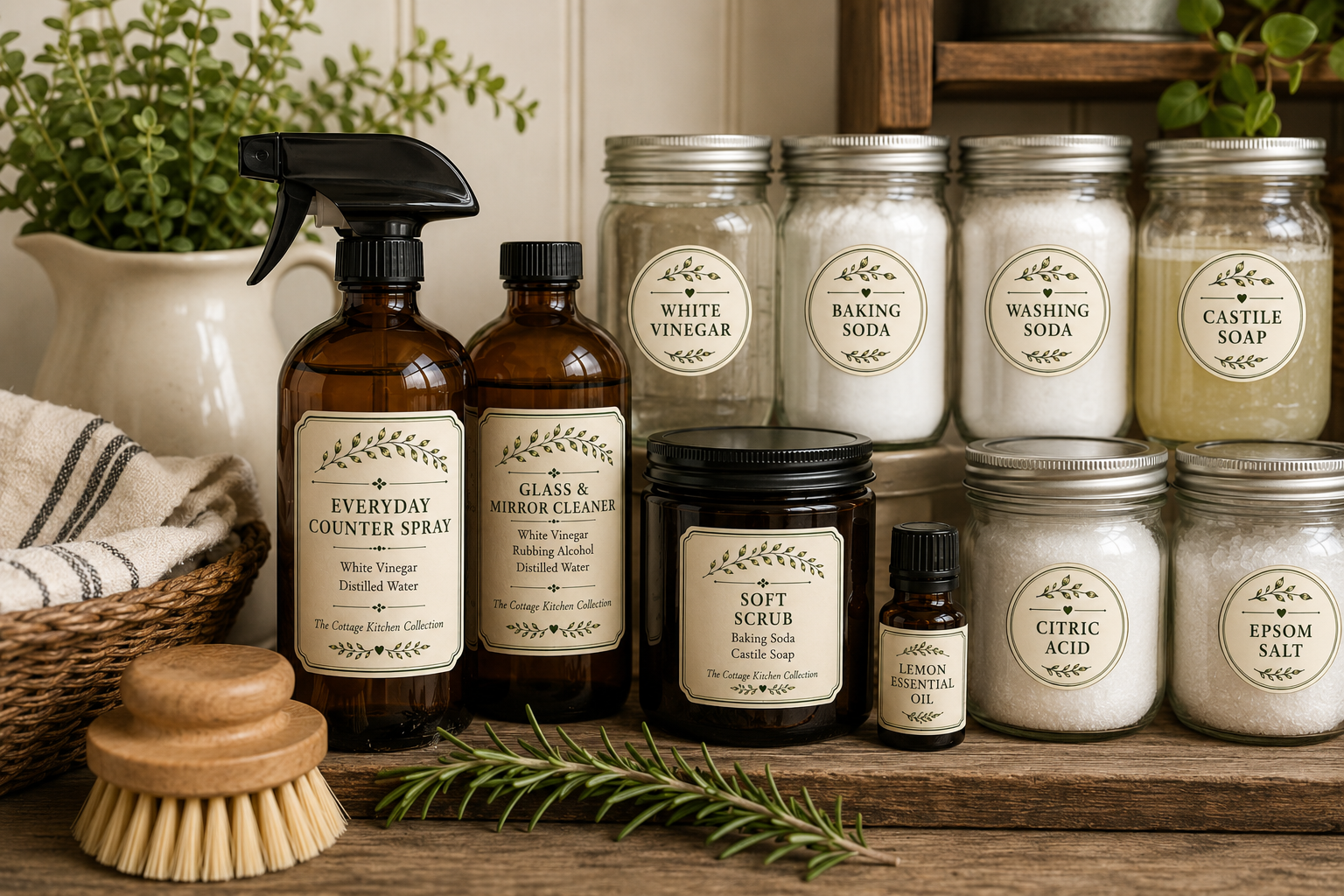
Stock Four Pantry Ingredients That Replace Almost Every Cleaner in Your Home
A simple non-toxic cleaning pantry starts with just four versatile ingredients. Learn how white vinegar, baking soda, washing soda, and castile soap can replace most commercial cleaners while creating a beautiful, organized cleaning system.
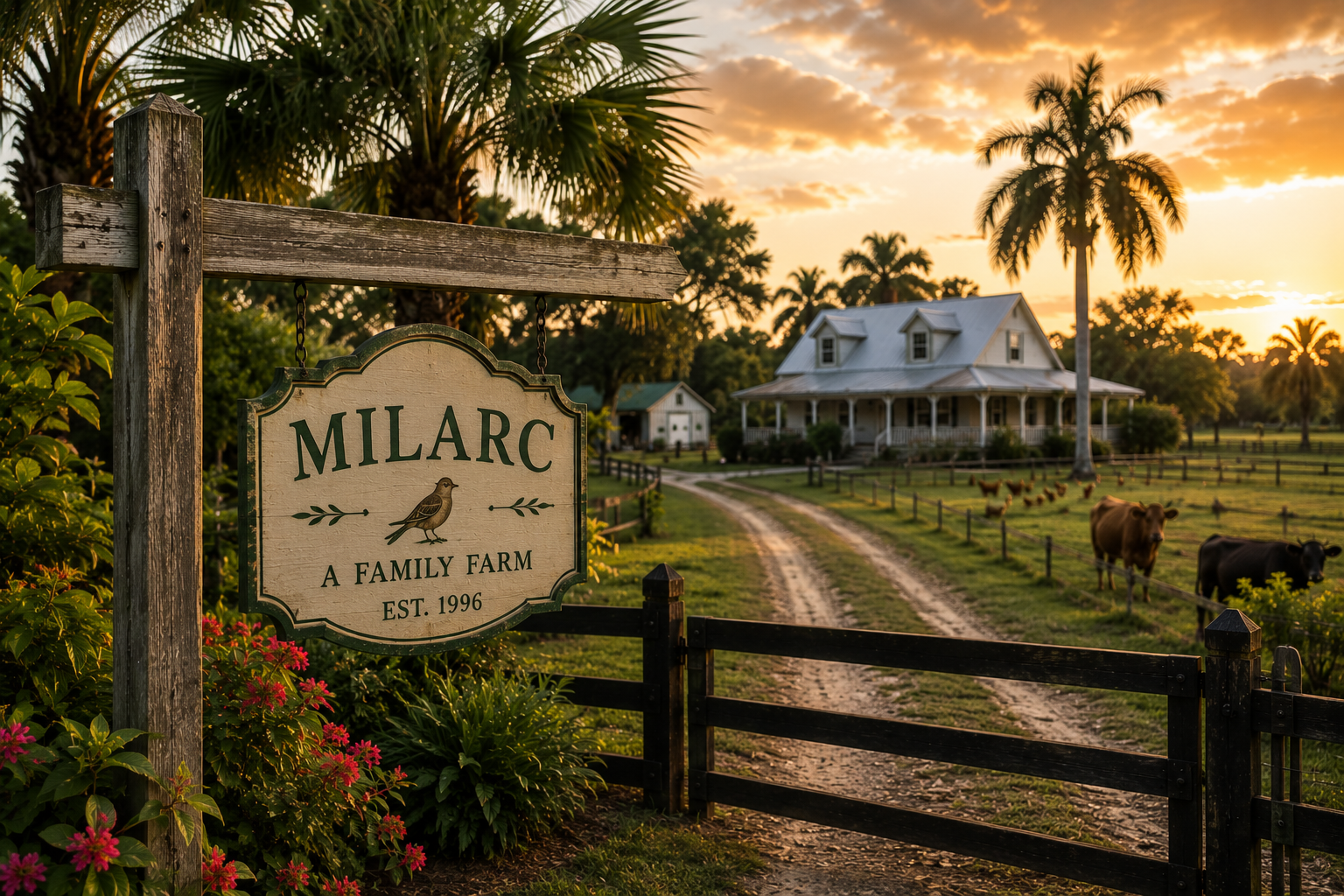
Homesteading Before You Own a Homestead
You don't need forty acres to begin living the homestead life. Discover seven foundational skills you can learn today—whether you live in a farmhouse, a subdivision, or a small condo—and start building your future one practical step at a time.
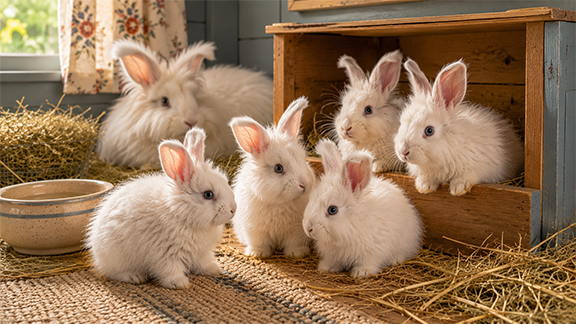
Breeding Angora Rabbits in a Small Space: How to Raise Fiber Rabbits Responsibly
Breeding Angora rabbits can turn a tiny fiber setup into a real homestead business, but it can also overwhelm a small home fast. Kits grow. Coats develop. Pens multiply. Feed costs rise. Buyers ask questions. The work shifts from caring for one charming wool rabbit to managing generations.
That does not make breeding a bad idea. It makes breeding a serious one. In a small-space fiber farm, every breeding should have a purpose before the doe ever visits the buck.
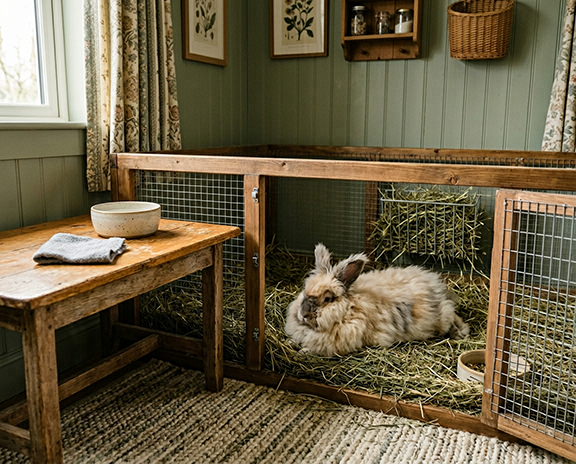
Raising Angora Rabbits in a Small Space: How to Keep Fiber Rabbits Without a Farm
Angora rabbits change what a “fiber farm” can mean. You do not need pasture, a barn, fencing, or a flock. One well-kept rabbit in a spare corner can produce usable wool, teach steady animal care, and open a small income stream for someone who has no backyard at all.
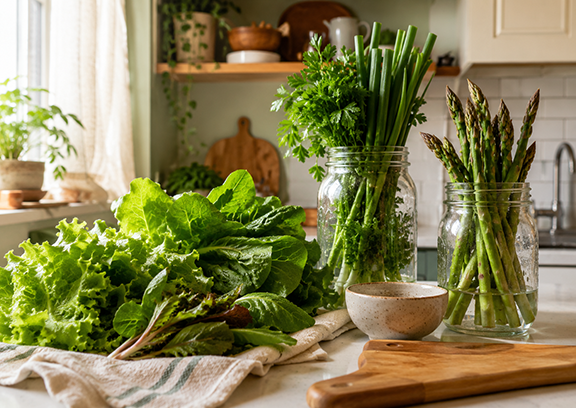
Tiny Homestead Habit: How to Wash and Store Greens So They Last Longer
When greens, herbs, or tender stalks come home, wash what needs washing, dry leafy greens well, and store everything in reusable containers where it can stay fresh and visible.
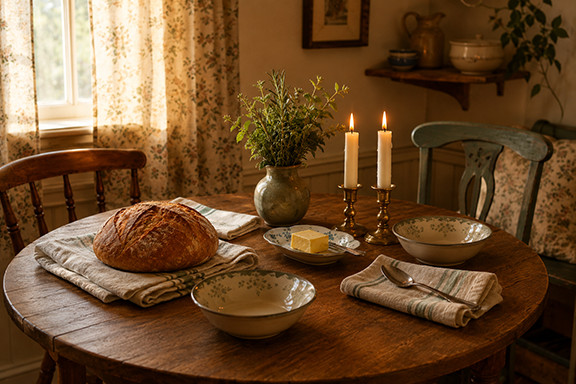
Shabbat on the Homestead: A Weekly Sabbath Rhythm for Small-Space Living
The homestead always has one more thing asking for your hands. A sink to clear. A jar to label. A plant to water. A floor to sweep. A meal to stretch. Even in a small home, the work can spread until every room feels unfinished.
Shabbat gives the work a boundary. Not because the work does not matter, but because it matters too much to let it run the whole household. A weekly Sabbath rhythm brings the home back into alignment: the work has been received, tended, and set down.
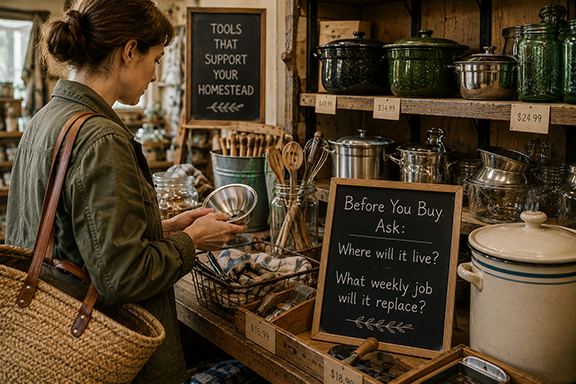
Before You Buy Homestead Tools: Ask These Two Questions First
Before you buy homestead tools, it helps to admit what usually happens. You see the butter churn, grain mill, dehydrator, seed-starting rack, fermentation crock, pressure canner, yogurt maker, or compost bin, and for a moment it feels like the missing piece.
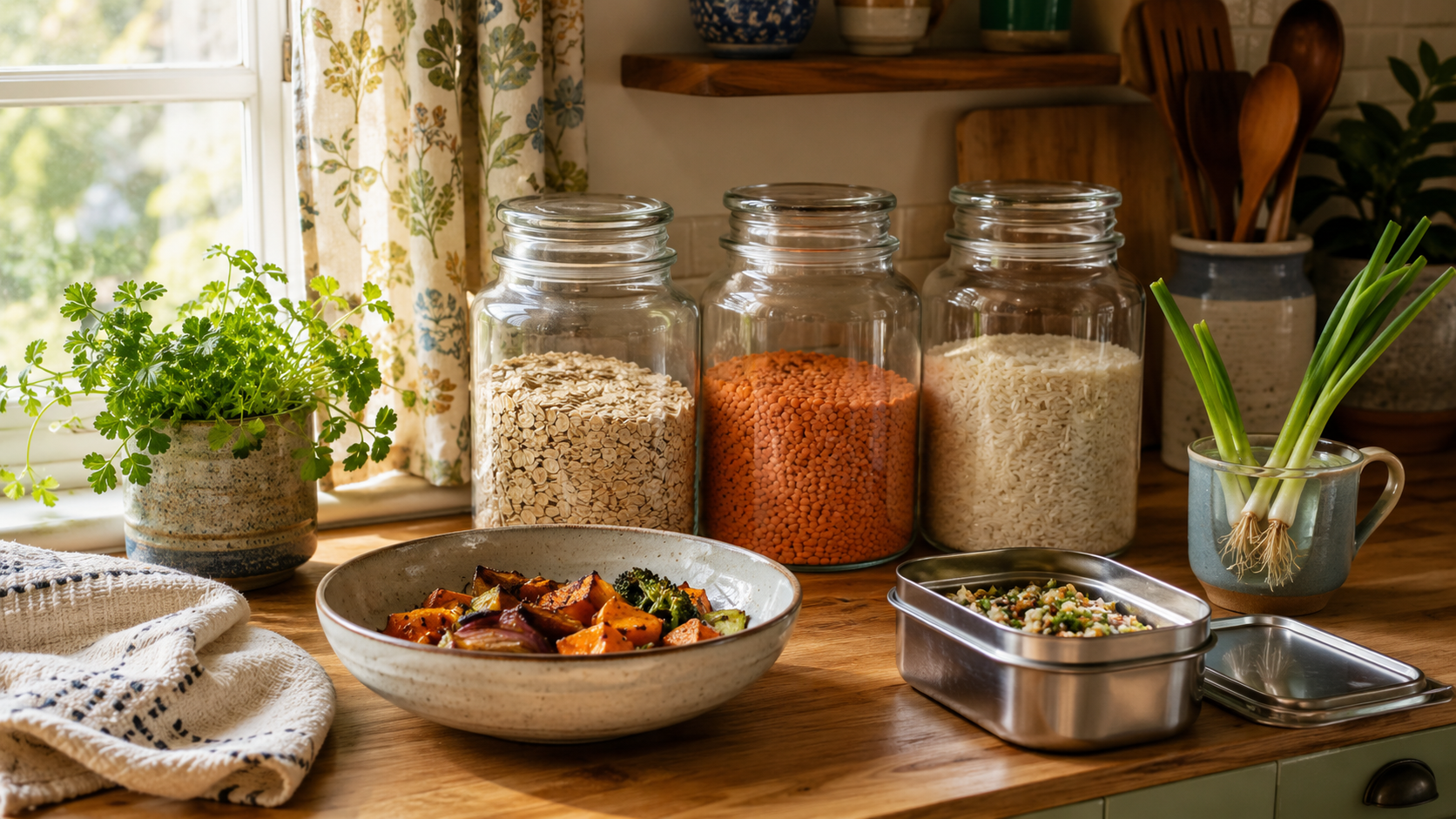
Apartment Kitchen Food Security: Reuse Glass, Skip Plastic, and Build Better Food Habits
Apartment kitchen food security does not begin with a basement pantry, a second freezer, or shelves stacked with matching containers. Most people living in apartments do not have that kind of space, and pretending they do only makes homesteading feel farther away than it really is.
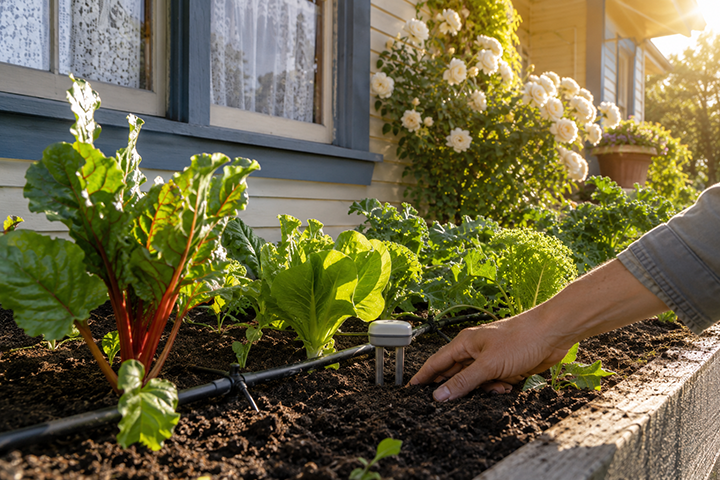
Homestead Technology: How Modern Homesteads Are Using Tech Without Losing Practical Skills
Homestead technology sounds like a contradiction until the pipes freeze, the greenhouse overheats, the power flickers, or the garden dries out while life keeps moving. Most homesteads do not need more gadgets. They need better timing, fewer surprises, and tools that help people notice what matters before a small problem turns expensive.
join me!
Sign up for my newsletter and never miss a post. Download freebies and get discounts on merchandise.