
Quiet Foundations: What to Actually Work On When It’s Too Cold to “Do Projects”
January is frustrating for homesteaders.
You’re motivated, but weather, daylight, and energy make big projects unrealistic. The result? Either guilt for “not doing enough” or ill-timed projects that create more work later.
January’s job is not production. It’s stabilization.
Here’s what actually adds value on a homestead this month.
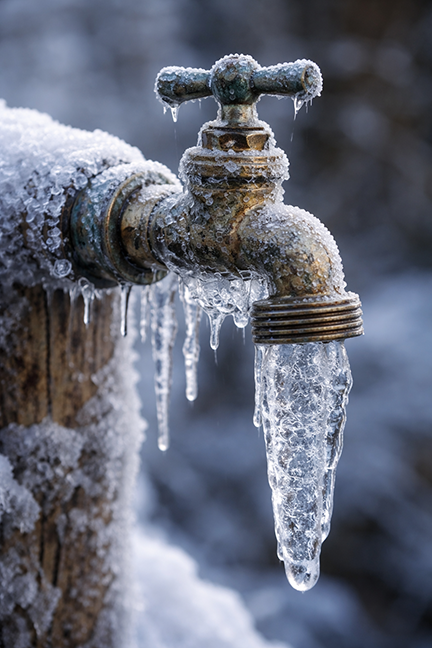
1. Stress-Test Your Systems
Cold exposes weak points faster than any inspection checklist.
Which gates freeze or sag?
Which water systems are unreliable?
Which routines feel fragile when you’re tired or sick?
Write these down now. January is your diagnostic month.
2. Simplify, Don’t Expand
If you feel behind, resist adding anything new.
Fewer animal chores beat more animals.
Fewer beds beat poorly maintained beds.
Fewer goals beat half-finished ones.
January is where you remove friction so spring doesn’t overwhelm you.
3. Prep for Spring Without Starting It
You’re not behind if seeds aren’t started yet.
You are behind if:
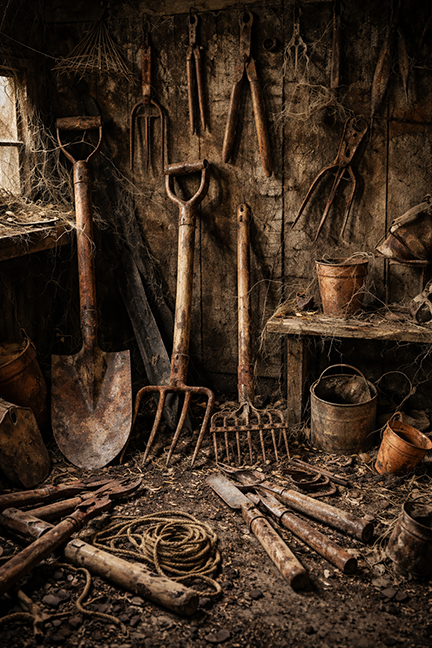
tools aren’t repaired,
feed storage isn’t organized,
fencing materials aren’t ready.
Preparation beats premature action every time.
4. Build a “Low-Energy Plan”
Illness, injury, or burnout will happen. January is when you:
identify essential daily tasks,
automate or batch where possible,
decide what can be skipped safely.

A homestead that only works at full strength is a fragile one.
