
Indoor Quail 101: Tiny Birds for Tiny Spaces (and Big Homesteader Hearts)
Living in a tiny space does not mean you aren’t a homesteader. Let’s go ahead and banish that myth right now. If your heart leans toward tending life, eating from your own hands, and making something small and beautiful grow, then congratulations—you already are one of us. Land or no land.
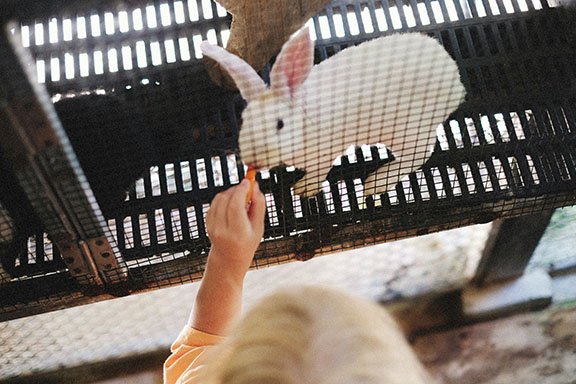
I’ve always been this way. When I was a kid, my backyard slowly transformed into what can only be described as a miniature zoo. I had little cages everywhere, filled with creatures I’d either caught myself (don’t worry, I released the ones that glared at me) or bought at the 5-and-dime store. Yes, that dates me—but it also proves this need to surround myself with animals isn’t a phase. It’s the thread that’s been woven through my whole life.
And I wasn’t the only one. My little brother was just as animal-crazy as I was—maybe even more so. He raised quail when we were kids. Real quail. Practical quail. While I tended to make pets out of mine, he went full entrepreneur. He sold dressed quail to customers… even though he sobbed through the whole process. Meanwhile, I had to get a lottougher before I could eat the ones I raised. Let’s just say the emotional learning curve was steep for both of us.
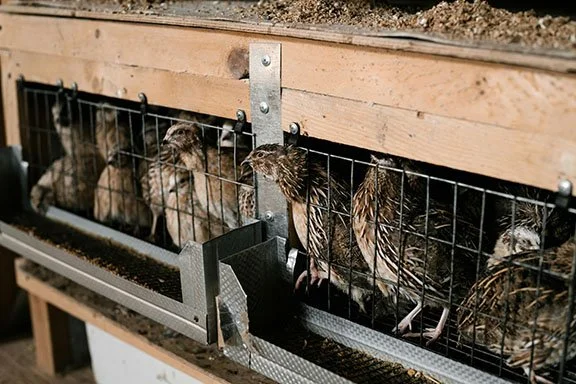
But those early days taught us something: even kids in a small backyard can create a whole world of life if they’re determined enough.
So when someone tells me, “I want to homestead, but I live in an apartment,” I smile. Because they’re talking to the right woman.
Tiny spaces don’t stop big dreams. They just invite creative beginnings.
And that brings us to quail.
Why Quail Are the Perfect Indoor Starter Animal
If chickens are the gateway animal for backyard homesteaders, then quail are the gateway animal for apartment and small-space dreamers. They’re small, quiet, fast-growing, productive, and—my favorite feature—astonishingly unbothered by winter, weather, or the general chaos of life.
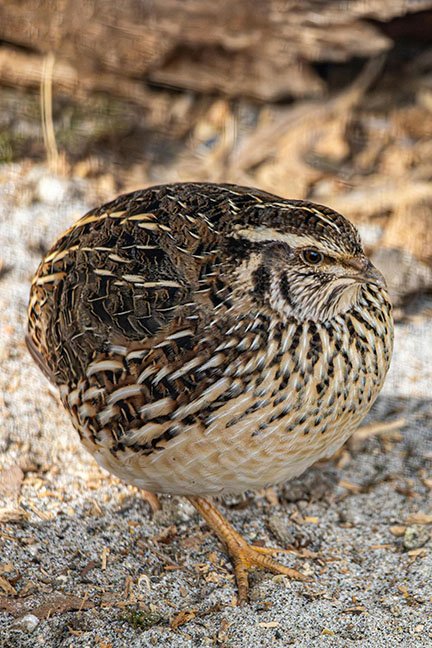
Coturnix quail in particular are the superstars. Here’s why they’re perfect indoors:
• They don’t crow like roosters.
• They thrive in small habitats without complaining.
• They lay eggs like tiny feathered champions.
• They mature quickly—17 days to hatch, 6–8 weeks to lay.
• They’re clean when properly housed.
• They don’t require land, acreage, or even a backyard.
What Indoor Quail Need (Surprisingly Simple)
Here’s the beauty of starting small: you really don’t need much. A dedicated corner can become your indoor barn.
1. A Habitat
Think rabbit cage, ferret cage, repurposed bookcase, or a purpose-built quail hutch. Multi-level works. Clear sides are nice but not required. You don’t need anything fancy—just safe, secure, and well-ventilated.
2. A Quiet, Out-of-the-Way Spot
Laundry room, mudroom, enclosed porch, or a little nook that doesn’t get bumped every five minutes.
3. Bedding + Easy-Clean Setup
Pine shavings or puppy pads. A slide-out tray makes your future self very happy.
4. Food + Water
High-protein feed (around 28% if you want good laying) and a no-spill waterer. Quail are tiny but dramatic if their waterer tips.
5. Light
Nothing fancy—just enough to keep their laying cycle steady. A simple lamp on a timer works beautifully.
6. A Bit of Quiet Companionship
Quail do best in small groups: usually 1 male to 3–4 females, or an all-female group if you just want eggs. They'll chat to each other in soft chirps that feel more like background ambiance than noise.
If you can manage houseplants, you can manage quail. Truly.
Getting Started With Indoor Quail: What You Actually Need
Here’s your gentle step-by-step path from “I think I want quail…” to “Look at me tending my tiny indoor flock like a whole homestead woman.”
Step 1: Choose Your Breed
For beginners, go with Coturnix quail. They are:
• Hardy
• Calm
• Fast-growing
• Generous egg-layers
• Not prone to escape artistry (a big plus indoors)
Avoid Bobwhites at first. They are spicy little rockets and will give you gray hair.
Step 2: Decide Where They’ll Live
Pick a quiet space where cleaning is easy and airflow is decent. Think:
• Laundry room
• Mudroom
• A kitchen corner
• Unused countertop
• Enclosed porch
• Even a wide hallway nook
If you have room for a medium-sized storage shelf, you have room for quail.
Step 3: Set Up Their Habitat
Make it simple and clean:
• Wire or mesh sides for airflow
• A tray underneath for droppings
• A dust-bath bowl (they LOVE this)
• A little shelter or hide
• Feed dish + waterer
• Bedding you can change twice a week
Quail don’t perch like chickens, so their setup stays uncomplicated.
Step 4: Bring Home a Starter Flock
Start small:
• 3–4 females if you only want eggs
• 1 male + 3–4 females if you want fertile eggs or to incubate your own
Step 5: Enjoy the Magic
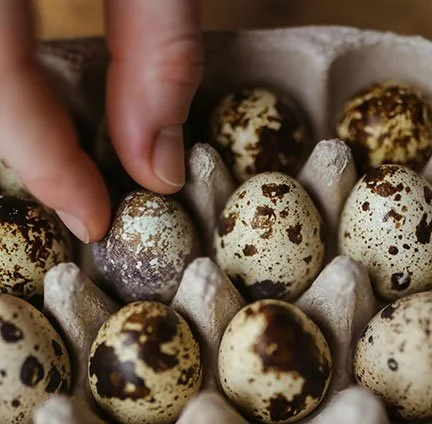
This is where you start feeling like a homesteader again—even in a tiny space. Tending living creatures brings rhythm to your days. The gentle chirping, the daily egg hunt, the small moments of care… they work something soft and needed into the winter months.
But a cautionary tale!
One afternoon, the quail got loose. Not all at once—just enough to create confusion and mild panic. They popped out in different directions like tiny, feathered escape artists, freezing or sprinting depending on instinct.
What do you do when they get loose?
Izzy noticed immediately. She stood very still, ears up, watching these unfamiliar creatures with deep suspicion. They were too small to be trusted, too fast to be understood, and definitely not listed under “approved indoor animals.”
She followed one quail cautiously, jumping back every time it moved, clearly torn between curiosity and good manners. Eventually, the quail were rounded up and peace was restored, but Izzy spent the rest of the day checking the floor, just in case the house had secretly become a quail habitat.
Coming Soon: Indoor Quail 102
• Common mistakes beginners make
• How to handle dust + smell
• Setting up lighting for year-round laying
• Incubating eggs indoors
• Dealing with “quail drama” (they are tiny but opinionated)
Your Free Download: Getting Started With Quail

Want more Homestead Content? Check out the Homestead Blog Hop!
