
How to Read Sunlight in a Small Home: Understanding Light Through the Seasons
Most people misunderstand their space because they only pay attention to it when the light is extreme.
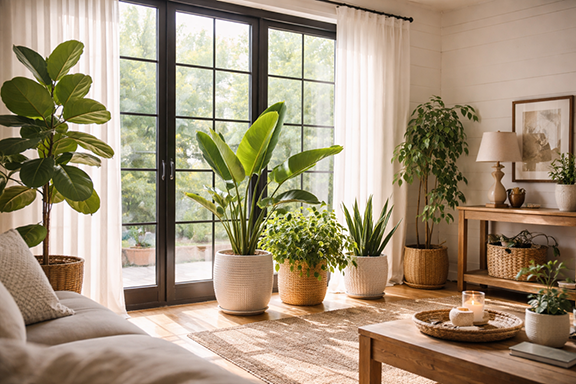
High summer convinces us we have endless sun. Deep winter convinces us we have none. Both impressions are false, and both lead to poor decisions.
If you want to homestead well in a small space, you have to stop judging your home by a single season and start reading the light honestly over time.
Your house is already telling you what it can support. The problem is that we tend to argue with it instead of listening.
A south-facing window in June feels like abundance. The same window in December feels like deprivation. Neither tells the whole story.
Summer light is high, direct, and forgiving. It spills everywhere and makes marginal spaces look productive. Winter light is low, angled, and honest. It shows you exactly where the sun can reach and where it never will.
If you design your growing, working, or resting spaces based on only one of those moments, you will end up fighting your house the rest of the year.
When you observe your space, stop asking, “Is this a sunny window?” and start paying attention to what kind of light it receives.
Duration matters. Ten minutes of intense sun is not the same as four hours of steady light.
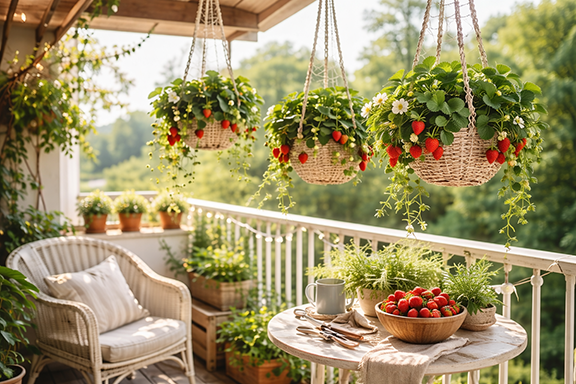
Angle matters. Low winter sun behaves very differently than high summer sun.
Quality matters. Direct, reflected, and diffuse light all serve different purposes.
Consistency matters. What happens at the same window, at the same time of day, across different months?
You do not need apps, diagrams, or special tools to learn this. You need patience and attention.
Sit in the same spot at the same time of day once a month. Notice where shadows fall. Notice what warms, what cools, what remains unchanged.
Watch where light touches the floor in winter. That line matters more than any summer glare.
Notice where you naturally gravitate during different seasons. Your body often knows before your plans do.
Reading light is not only about gardening.
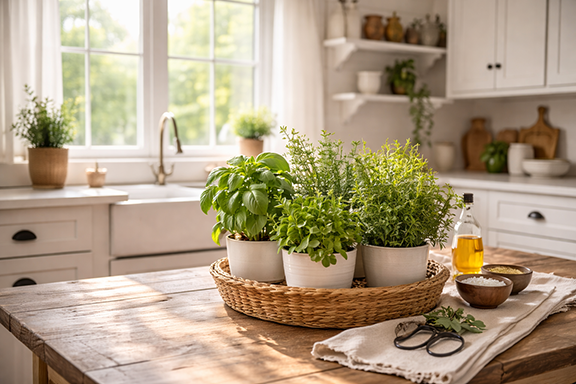
It tells you where food preparation feels pleasant in winter. Where herbs dry well without molding. Where quiet work actually works. Where rest happens easily and where it always feels strained.
In a small home, light determines flow. It shows you which spaces want activity and which ones want to remain simple.
When you read light honestly, you stop trying to grow tomatoes where the sun never lingers. You stop forcing productivity into dim corners better suited for storage or rest.
Instead of reshaping your home to match your expectations, you allow your expectations to be reshaped by reality.
That is not limitation. That is stewardship.
Spend a year listening before changing anything major.
Your space will tell you the truth if you give it time.
Featured on the Homestead Blog Hop
