
Homestead Musings

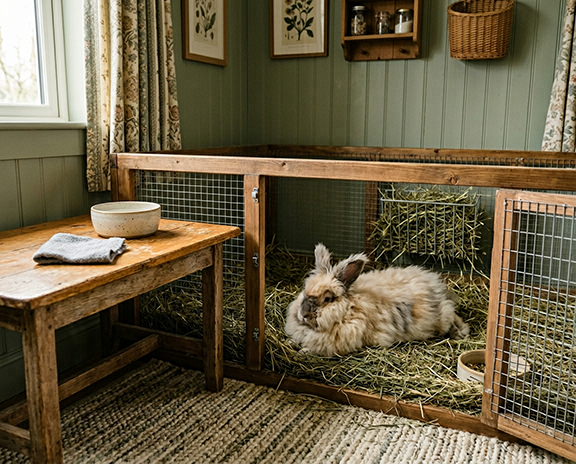
Raising Angora Rabbits in a Small Space: How to Keep Fiber Rabbits Without a Farm
Angora rabbits change what a “fiber farm” can mean. You do not need pasture, a barn, fencing, or a flock. One well-kept rabbit in a spare corner can produce usable wool, teach steady animal care, and open a small income stream for someone who has no backyard at all.
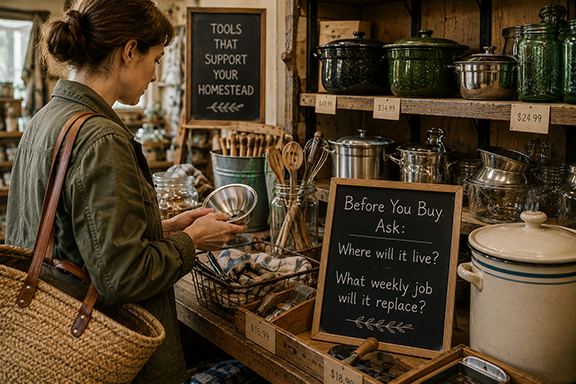
Before You Buy Homestead Tools: Ask These Two Questions First
Before you buy homestead tools, it helps to admit what usually happens. You see the butter churn, grain mill, dehydrator, seed-starting rack, fermentation crock, pressure canner, yogurt maker, or compost bin, and for a moment it feels like the missing piece.
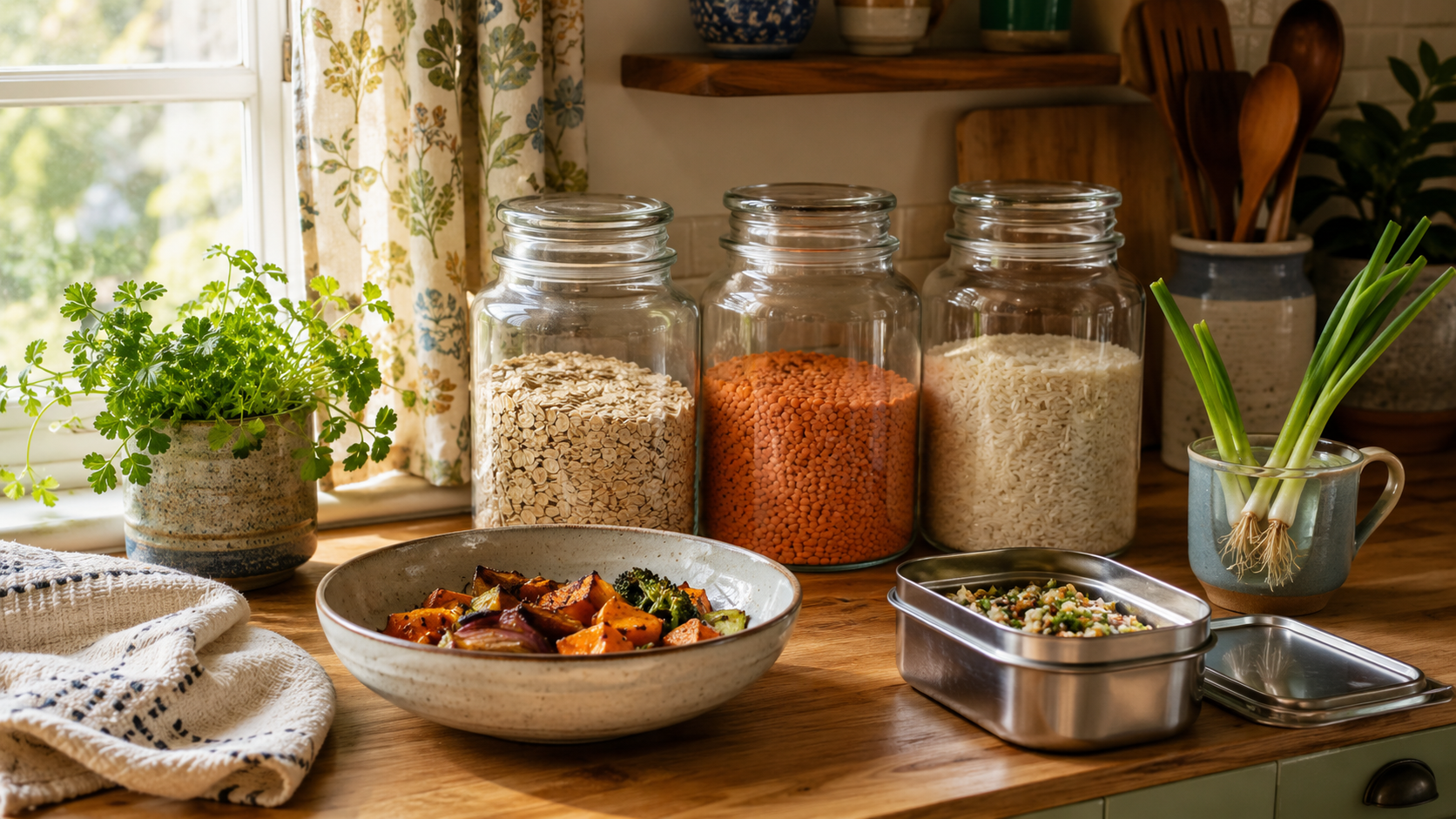
Apartment Kitchen Food Security: Reuse Glass, Skip Plastic, and Build Better Food Habits
Apartment kitchen food security does not begin with a basement pantry, a second freezer, or shelves stacked with matching containers. Most people living in apartments do not have that kind of space, and pretending they do only makes homesteading feel farther away than it really is.
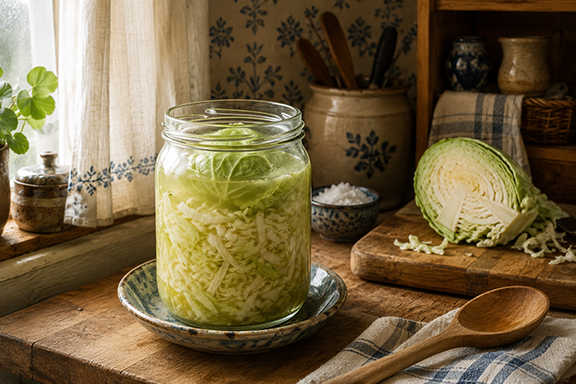
How to Start a One-Jar Ferment in a Small Kitchen
Fermentation does not need to become a huge project. You can start with one jar, one vegetable, salt, and a few minutes at the counter. That is enough to learn the rhythm: cut, salt, pack, wait, taste, eat.
You Don’t Need Land to Start Homesteading
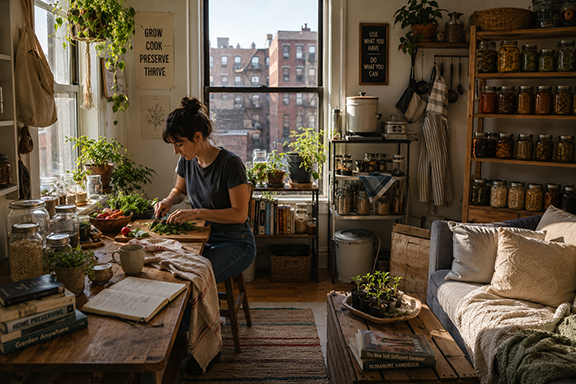
You do not need land to start homesteading because homesteading is not mainly about acreage. It is about becoming more capable inside the life you already have.
How to Know When to Harvest Herbs for the Best Flavor
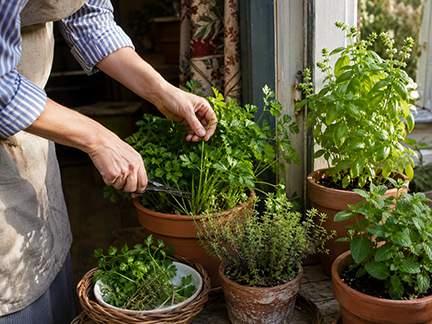
A pot of basil on the windowsill can teach more than it looks like. At first, you wait because the plant seems too small to cut. Then it gets tall and starts to flower. Then the leaves turn stronger, tougher, or bitter, and the best flavor has already passed.
Herbs do not need a large garden to be useful. A few pots near a sunny window, on a porch, or outside the kitchen door can season meals, reduce grocery waste, and teach the timing that larger gardens require later. The key is learning when to harvest herbs before the plant gets ahead of you.
How to Preserve Food Without Canning
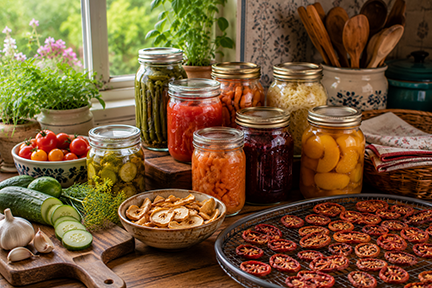
A lot of people think food preservation begins with a pressure canner, a pantry shelf, and a full day blocked off for jars. That kind of preserving has its place, but it is not the only way to start. For many households, it is not even the best first step.
How to Use Up One Vegetable Before It Goes Soft
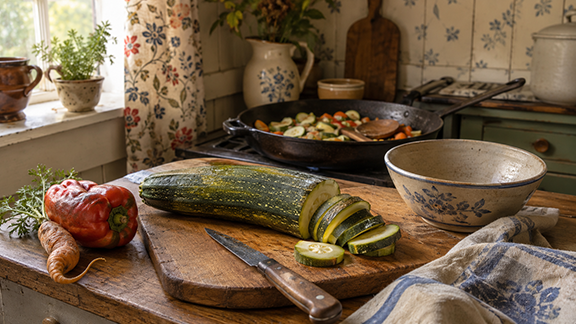
This Tiny Homestead Habit is simple: once or twice a week, choose the vegetable closest to spoiling and build one small meal, side dish, or add-in around it. Not the prettiest vegetable. Not the one you feel like eating. The one that needs to be used first.

How to Start Homesteading in a Small Space (Even Without Land)
You do not need acreage, a barn, or a perfect farmhouse kitchen to begin homesteading.
You need a place to stand and a willingness to start where you are.
Many people delay for years because they think homesteading begins with land. It often begins with a pantry shelf, a pot of herbs, a loaf of bread, or learning how to make a home run better.
If you live in a suburb, apartment, townhouse, duplex, trailer, or modest home, you can begin now.
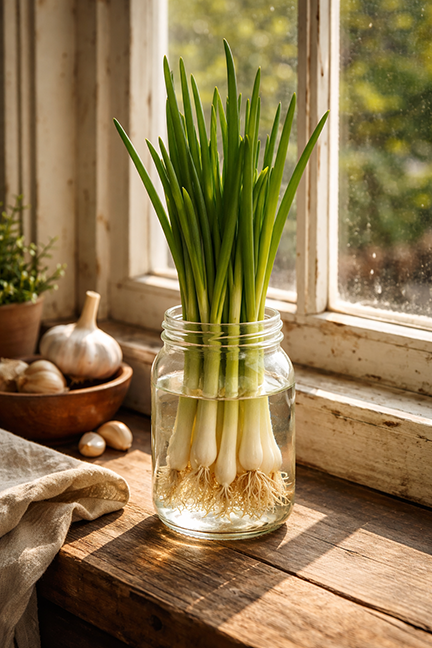
Tiny Homestead Habit: One Tray of Something Growing
Early spring always stirs the desire to grow something—not a full garden, not a complicated plan, just something alive within reach. In a small space, that matters more than most people expect.
A single tray of greens on the counter shifts the atmosphere of a room. It moves you from waiting for the season to already participating in it.
This week’s tiny habit is simple: grow one small thing.
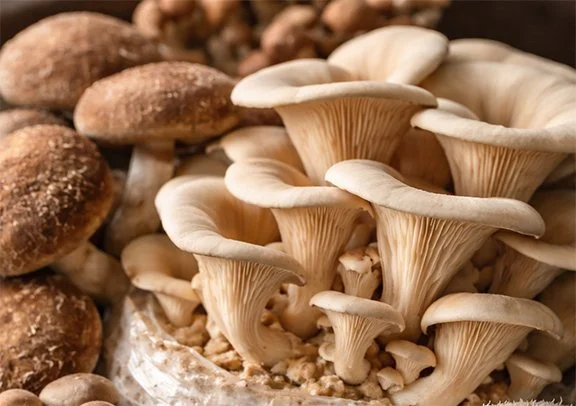
Growing Mushrooms Indoors: Working With Conditions, Not Control
Growing mushrooms indoors appeals to many small-home homesteaders because it promises food production without land. No garden beds, no animals, no outdoor infrastructure. Just a quiet corner and patience.
What most people don’t realize at first is that mushrooms don’t respond well to control. They respond to conditions. Once you understand that difference, indoor mushroom growing becomes far more successful—and far less frustrating.
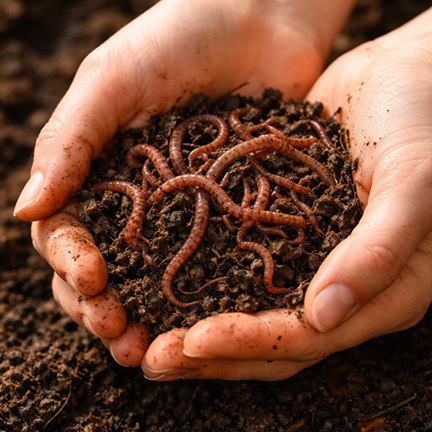
The Quietest Livestock You’ll Ever Keep
Homesteading inside a small home has a way of stripping things down to what actually works. There’s no room for systems that demand constant attention or produce more than you can reasonably manage. Everything has to earn its place.
That’s where worms come in.
They don’t make noise. They don’t smell when cared for properly. They don’t demand daily attention. They simply do their work.
join me!
Sign up for my newsletter and never miss a post. Download freebies and get discounts on merchandise.