
How to Know When to Harvest Herbs for the Best Flavor
A pot of basil on the windowsill can teach more than it looks like. At first, you wait because the plant seems too small to cut. Then it gets tall and starts to flower. Then the leaves turn stronger, tougher, or bitter, and the best flavor has already passed.
Herbs do not need a large garden to be useful. A few pots near a sunny window, on a porch, or outside the kitchen door can season meals, reduce grocery waste, and teach the timing that larger gardens require later. The key is learning when to harvest herbs before the plant gets ahead of you.
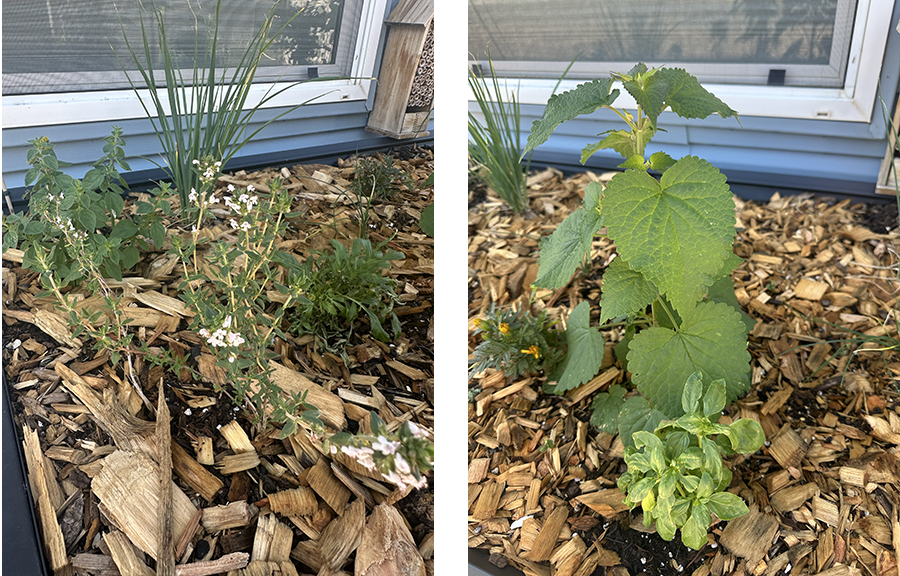
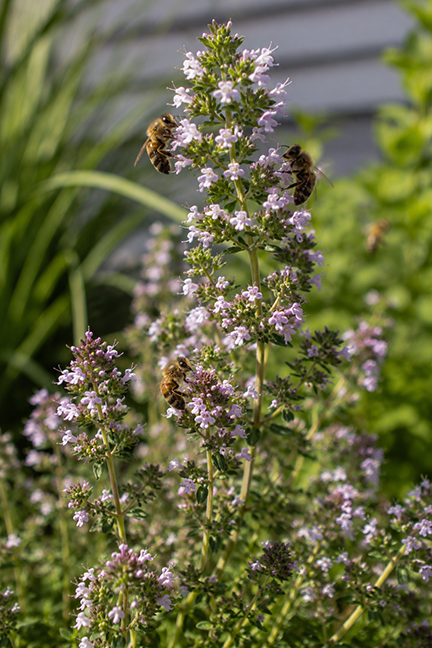
These are photos from my raised beds. Some of my herbs (lemon balm, oregano, thyme and chives) are ready for a bit of harvesting. Once the flowers come out, harvesting is immediate so you don’t lose flavor. I may have overwatered my basil there in front of my lemon balm. It isn’t dead, but it needs to dry out a bit. Pulling the mulch away from the plant a bit will help it keep from rotting.
The Simple Rule for Harvesting Herbs
Harvest most herbs when the plant has enough healthy growth to spare, but before it flowers.
That is the basic rule.
Leaves usually taste best before flowering because the plant is still putting energy into leafy growth. Once flowers form, many herbs shift their energy toward seed production. Some leaves become tougher, sharper, or less sweet. This does not mean the herb is ruined, but it does mean the best window for leaf harvest may be closing.
The best time to harvest most herbs is before they flower, when the leaves still carry their strongest flavor.
For leafy herbs like basil, parsley, cilantro, mint, dill, and oregano, harvest when the plant looks full enough that cutting will not weaken it.
For woody herbs like rosemary, thyme, sage, lavender, and oregano, harvest small sprigs from healthy new growth, leaving the older woody frame intact.
The goal is not to take everything. The goal is to cut at the right stage so the plant keeps producing.
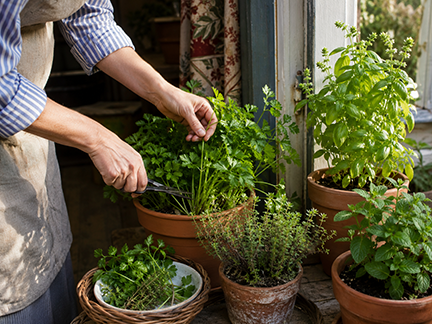
Harvest in the Morning
The best time of day to harvest herbs is morning, after the dew has dried but before the day gets hot.
Morning harvest gives you leaves that are fresh, hydrated, and flavorful. Wet leaves can mold more easily if you plan to dry them, so wait until dew or watering moisture has dried from the plant. Midday heat stresses many herbs, especially tender ones in containers, and the leaves may wilt faster once cut.
This matters most when you plan to dry or preserve herbs.
Harvest herbs in the morning after the dew dries, not in the heat of the day when the plant is stressed.
For immediate cooking, you can cut a few leaves almost anytime. Dinner does not need to wait for perfect conditions. But when you are harvesting a larger amount for drying, freezing, or storing, morning is the better rhythm.
Do Not Wait Too Long
Many beginner herb growers wait too long because they want the plant to “get bigger.”
That can backfire.
Basil becomes leggy and tries to flower. Cilantro bolts. Dill stretches and shifts toward seed. Mint sprawls and gets tough. Parsley keeps producing, but older stems become stronger and less pleasant. Thyme and oregano can turn woody if neglected.
Herbs respond well to steady cutting. Regular harvest encourages many plants to branch, fill out, and keep producing fresh growth.
Waiting until the plant is overgrown does not give you better herbs. It usually gives you tougher herbs and a plant that needs rescuing.
How Much to Harvest
A safe rule for most herbs: do not remove more than one-third of the plant at one time.
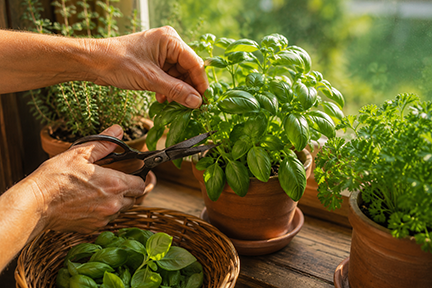
This keeps the plant from being shocked and gives it enough leaves to keep making energy. For a small windowsill pot, that may mean only a few stems at a time. For a healthy outdoor plant, that may mean a generous handful.
Cut cleanly with scissors, snips, or your fingers if the stem is tender. Do not tear the plant. Ragged cuts invite stress and damage.
If the plant is very young, wait until it has several sets of leaves before harvesting. If the plant looks weak, yellow, dry, or recently transplanted, give it time to recover before cutting much.
A good harvest leaves the plant looking shaped, not stripped.
Good herb harvesting is not stripping the plant bare. It is cutting enough to use while leaving enough growth to keep producing.
Harvest Basil Before It Flowers
Basil is one of the clearest herbs for learning timing.
Harvest basil when the plant has several sets of leaves and is starting to branch. Cut just above a pair of leaves. That encourages the plant to send out two new stems from that point, making it fuller over time.
Do not just pick the largest individual leaves from the bottom. That leaves a tall, bare, awkward plant. Cut the stem above a leaf pair instead.
Watch for flower buds at the top. Once basil starts flowering, the leaves often become stronger and less sweet. Pinch or cut off the flower buds as soon as you see them if you want more leaf production.
Use fresh basil in eggs, tomato dishes, beans, pasta, salads, sandwiches, soups, and herb oil. For preservation, basil usually keeps better frozen in oil or pesto than dried.
Harvest Parsley From the Outside
Parsley can handle steady cutting if you harvest it correctly.
Cut the outer stems near the base of the plant. Leave the inner new growth to keep developing. Do not take only the leaf tips. Removing full outer stems encourages the plant to keep sending up new ones.
Flat-leaf parsley tends to have stronger kitchen use than curly parsley, but both work. Use parsley in soups, beans, potatoes, eggs, grain bowls, sauces, salads, and as a fresh finish for heavy meals.
Parsley can be dried, but it loses some brightness. Freezing chopped parsley in small portions often keeps it more useful for cooked dishes.
Harvest Cilantro Before It Bolts
Cilantro has a short window, especially in warm weather.
Harvest cilantro when the plant has enough leafy growth to cut, before it sends up a tall central flower stalk. Once cilantro bolts, the leaves change shape and flavor. The plant starts moving toward coriander seed.
Cut outer stems or pinch sections as needed. Keep it cool if possible. Cilantro does not like heat, so it often does better in spring, fall, or a cooler windowsill than in full summer heat.
Use cilantro fresh in beans, rice, tacos, eggs, soups, dressings, and sauces. It does not dry well for flavor. Freeze it chopped with a little water or oil if you need to save it.
Harvest Mint Often
Mint grows aggressively in the ground, so containers make sense for small-space homesteading.
Harvest mint by cutting stems above a leaf pair. Regular cutting keeps it from getting lanky. If mint begins to flower, cut it back to encourage fresh leaves.
Use mint in tea, fruit, yogurt, sauces, salads, and simple syrups. Drying works well if the leaves are harvested before flowering and dried thoroughly. Store fully dried mint leaves in a clean jar and crush them only when needed for better flavor.
Do not plant mint loose in a small garden bed unless you want mint everywhere.
Harvest Thyme in Small Sprigs
Thyme is a woody herb, so harvest it differently than basil or cilantro.
Cut small sprigs from tender new growth. Avoid cutting deep into old woody stems, especially on a young or small plant. Thyme grows slowly compared with many leafy herbs, so take what you need and let it recover.
Harvest before flowering for the strongest leaf flavor, though thyme flowers are also useful and attractive to pollinators.
Thyme dries well. Lay sprigs on a towel, screen, or tray in a dry, airy place. Once fully dry, strip the tiny leaves from the stems and store them in a jar.
Use thyme in roasted vegetables, poultry, beans, soups, stews, potatoes, eggs, and bread.
A small pot of herbs can teach timing, restraint, preservation, and kitchen skill long before you have a full garden.
Harvest Rosemary Without Hacking It Back
Rosemary can become woody and slow to regrow if cut poorly.
Take small sprigs from the softer green growth. Do not cut far down into bare woody stems unless you are pruning with a purpose, because old wood may not send out new growth readily.
Harvest rosemary in the morning for drying, or snip a small sprig anytime for cooking. Rosemary has strong flavor, so a little goes a long way.
Use it with potatoes, bread, roasted vegetables, chicken, beans, lamb, soups, and infused oil. Dry rosemary in small sprigs and store it once the needles are fully dry.
Harvest Oregano Before Flowering
Oregano becomes stronger as it matures, but the best leaf harvest usually comes before full bloom.
Cut stems back by about one-third, leaving enough growth for the plant to recover. Oregano often responds well to regular cutting and can become fuller over time.
Drying oregano is one of the easiest preservation wins. The dried flavor holds up well and often tastes stronger than fresh. Hang small bundles or lay stems on a towel or screen in a dry, airy place. Strip leaves after drying.
Use oregano in tomato sauce, beans, roasted vegetables, soups, marinades, eggs, and bread.
Harvest Sage Lightly
Sage is another woody perennial herb that should not be stripped.
Pick individual leaves or cut small sprigs from healthy growth. Avoid taking too much from a young plant. Sage can get woody and tired, so moderate harvests work better than heavy cutting.
Sage dries well and keeps a strong flavor. Use it in beans, poultry, pork, squash, potatoes, browned butter, stuffing, and savory breads.
Because sage is potent, preserve small amounts first. A jar of dried sage only helps if you actually use it.
Harvest Dill for Leaves, Flowers, or Seed
Dill gives you different harvests depending on timing.
For dill weed, harvest the feathery leaves before the plant flowers. Cut small sections from healthy growth and use them fresh, or freeze them. Dill can be dried, but it loses some of its bright flavor.
For dill flowers, harvest when the flower heads open and use them in refrigerator pickles or vinegar.
For dill seed, let the flower heads mature and dry on the plant, then collect the seeds once they turn brown and dry.
This is a good example of why “when to harvest herbs” depends on what part of the plant you want.
Harvest Chives by Cutting Low
Chives are simple and useful in small spaces.
Cut the leaves about one to two inches above the soil. Do not pull them. Cutting low encourages fresh growth. Harvest when the leaves are tall enough to use, before they get tough.
Chive flowers are edible too. Use them in salads, vinegar, compound butter, or as a garnish.
Chives freeze better than they dry. Chop and freeze them in small amounts so they can be added directly to eggs, potatoes, soups, and sauces.
What to Do If Herbs Start Flowering
Flowering does not mean failure.
For some herbs, flowers attract pollinators and may still be useful. Basil flowers can be pinched off to push the plant back toward leaf production. Cilantro flowers can become coriander seed. Dill flowers can flavor pickles. Chive blossoms are edible. Thyme and oregano flowers can be used, though the leaf texture and flavor may shift.
Decide what you want from the plant.
If you want leaves, cut flower buds early. If you want seed, let the plant continue. If the plant has become tough, leggy, or bitter, cut it back moderately and see if it sends fresh growth.
Do not punish the plant. Learn its timing.
How to Harvest Herbs for Drying
Herbs harvested for drying should be clean, dry, and cut before the plant is past its prime.
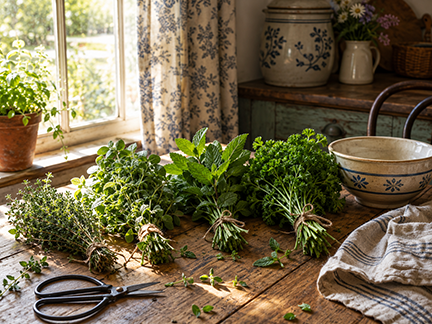
Choose healthy stems. Avoid yellow, spotted, dusty, or insect-damaged leaves. Harvest in the morning after dew dries. Rinse only if needed, then dry thoroughly before laying herbs out or hanging them.
Good drying herbs include:
Thyme
Rosemary
Oregano
Sage
Mint
Dill
Lavender
Marjoram
Spread herbs in a single layer on a towel, screen, or tray, or hang small bundles in a dry, airy place. Keep them out of harsh direct sun. Store only when fully dry and crumbly. If the leaves bend or feel damp, they need more time.
Moisture ruins dried herbs faster than almost anything else.
How to Harvest Herbs for Freezing
Tender herbs often freeze better than they dry.
Good freezing herbs include:
Basil
Parsley
Cilantro
Chives
Dill
Mint
Chop the herbs and freeze them in small portions with a little water or oil. You can use an ice cube tray, small spoonfuls on a plate, or a flat layer in a freezer bag. Once frozen, move them into a container if needed.
Use frozen herbs in cooked food. The texture will not be the same as fresh, but the flavor can still help soups, sauces, eggs, beans, and stews.
This connects naturally with small-batch food preservation. If you already preserve food without canning, herbs are one of the easiest places to practice because they need little space and small amounts still matter.
How to Keep Herbs Producing
The best harvest is one that leaves the plant able to grow again.
Cut above a leaf pair on branching herbs like basil and mint. Cut outer stems on parsley. Take small sprigs from woody herbs. Remove flowers when you want more leaf growth. Water container herbs consistently, because pots dry out faster than garden beds.
Do not harvest heavily from a stressed plant.
If the soil is dry, the leaves are wilted, or the plant has just been transplanted, care for it first. Water it well. Give it a day or two. Then harvest lightly.
Container herbs need more attention than herbs in the ground because their roots have less room and less moisture reserve. That does not make them difficult. It just means you need to notice them.
A small herb pot is not a decoration. It is a living pantry item.
The Best Harvest Is the One You Use
Do not harvest herbs just because the plant is ready.
Harvest with a purpose.
Cut basil before making eggs, tomato sauce, beans, or pasta. Cut parsley before soup or potatoes. Cut thyme before roasting vegetables. Cut chives before breakfast. Cut mint for tea before it gets leggy. Cut cilantro before taco night or a pot of beans.
This keeps the harvest connected to the kitchen.
A jar of dried herbs helps. A freezer bag of chopped herbs helps. But the first use of fresh herbs should be real food, not a vague plan for later.
Homestead gardening works best when the garden and kitchen speak to each other.
A Simple Weekly Herb Harvest Habit
Once a week, check your herbs before they get away from you.
Look for three things:
Enough healthy growth to cut
Flower buds forming
Stems getting long, woody, or leggy
Then harvest only what needs attention.
Pinch basil flower buds. Cut mint back before it sprawls. Take parsley stems from the outside. Clip thyme before it gets too woody. Cut chives low if they are tall and bending.
Use the herbs that day, or preserve them right away.
This habit should take only a few minutes. It works on a windowsill, a porch, a balcony, or a small garden bed. It does not require land, extra storage, or a complicated garden system. It fits the small-space habit logic of one repeatable action that reduces waste and builds household skill.
Common Herb Harvest Mistakes
The first mistake is waiting too long. Herbs are often better with regular small harvests than one large rescue harvest after they have bolted or gone woody.
The second mistake is taking too much. Stripping a small plant weakens it and slows recovery.
The third mistake is harvesting wet herbs for drying. Wet herbs mold easily.
The fourth mistake is cutting woody herbs too hard. Rosemary, thyme, and sage need careful cuts from healthy growth, not harsh chopping into old wood.
The fifth mistake is preserving herbs your household will not use. Drying a large jar of something no one likes does not save food. It stores clutter.
Start With One Herb
Do not make this complicated.
Choose the herb you already have, or the herb you use most. Basil for summer cooking. Parsley for soups and potatoes. Chives for eggs. Thyme for roasted vegetables. Mint for tea. Cilantro for beans and rice.
Watch that one plant for a week.
Notice when it grows. Notice where new leaves form. Notice when buds appear. Notice how it responds after cutting.
That is how you learn herbs. Not by memorizing every rule at once, but by paying attention to one useful plant long enough to understand it.
Don’t even know how to start? Grab my Tiny Homestead Starter Kit (free) and step out in faith.
The Habit in One Line
Once a week, check your herbs for healthy growth, flower buds, and leggy stems; harvest lightly in the morning, then use or preserve what you cut.
That is the whole habit.
You do not need a full garden to start harvesting herbs well. You need one plant, clean scissors, and the discipline to cut at the right time instead of waiting until the plant is past its best use.
