How to Use Up One Vegetable Before It Goes Soft
A soft zucchini, a bendy carrot, a half-wilted bunch of greens, a pepper starting to wrinkle — this is where food waste usually begins. Not with dramatic neglect. Just with one vegetable that keeps getting passed over until it no longer looks worth cooking.
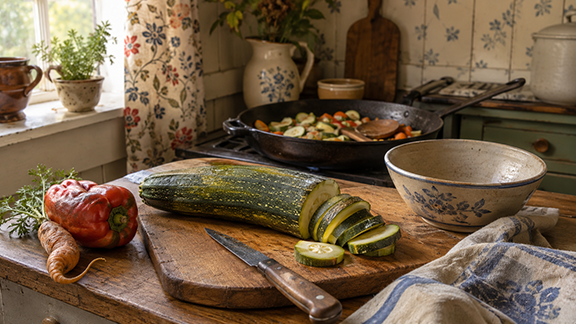
Uggh. Do you have an aversion to soft zucchini? I do. But even worse to me is avocado with brown spots. That doesn’t bother my husband, but it turns my stomach! How about you?
Fortunately, this post will help you with those veggies that got shoved to the back of the drawer and forgotten.
The easiest vegetable to waste is the one you keep meaning to use later.
This Tiny Homestead Habit is simple: once or twice a week, choose the vegetable closest to spoiling and build one small meal, side dish, or add-in around it. Not the prettiest vegetable. Not the one you feel like eating. The one that needs to be used first.
What This Habit Actually Is
Once or twice a week, open the fridge and look for the vegetable most likely to go bad next.
That is the whole starting point.
You are not cleaning the fridge. You are not making a meal plan. You are not sorting every drawer, labeling containers, or creating a new storage system. You are choosing one vegetable and using it before it turns into waste.
This fits the Tiny Homestead Habits standard because it is one repeatable habit, works in small spaces, requires no land, assumes limited time, and removes friction instead of adding a larger system.
The question is not, “What should I make this week?”
The question is, “What vegetable needs to be used today?”
That shift matters.
When to Do It
Do this before your usual grocery trip, or on the evening before trash day, or anytime you open the fridge and notice produce starting to fade.
The best time is when the vegetable still has value.
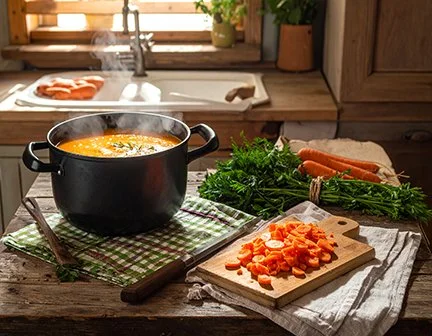
A carrot can bend and still work in soup. Spinach can wilt and still work in eggs. Celery can soften and still flavor beans. A zucchini can lose its shine and still become fritters. A wrinkled pepper can still go into sauce, rice, eggs, or a skillet meal.
The habit fails when you wait until the vegetable is beyond use.
Do not wait for a full fridge cleanout. Do not wait for the weekend. Do not wait until every vegetable needs attention. Pick one aging vegetable while it can still become food.
Using up one vegetable before it goes soft is not a meal plan. It is a decision made before the fridge wins.
How to Choose the Vegetable
Open the fridge and look for the thing closest to crossing the line.
Use your senses.
Look for vegetables that are softening, bending, wilting, wrinkling, drying at the ends, or losing their color. Those go first. Crisp, sturdy vegetables can wait. The vegetable with the shortest remaining life gets priority.
Good candidates:
A soft zucchini
A wrinkled bell pepper
A bendy carrot
Wilted spinach or kale
Celery starting to go limp
Broccoli with yellowing tips
Mushrooms getting dark around the edges
Half an onion already cut
A few radishes losing crunch
Cabbage with a tired outer edge
Do not choose the vegetable you already know you will use tomorrow. Choose the one you will forget if you do not handle it today.
That is the point of the habit.
What Not to Use
This habit is for vegetables that are aging, not vegetables that are unsafe.
Do not use vegetables that are slimy, moldy, rotten, sour-smelling, or leaking liquid. Do not try to rescue food that has clearly spoiled. Homestead thrift does not mean gambling with bad food.
A soft carrot is useful. A slimy carrot is compost.
A wrinkled pepper is useful. A moldy pepper is not.
Wilted greens can be cooked. Rotten greens should go.
The habit works because you act early enough that the food still has value.
The No-Recipe Formula
You do not need a recipe for every aging vegetable.
You need a short list of reliable moves.
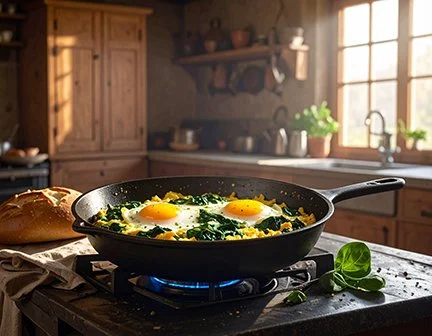
Most fading vegetables can become one of these:
Soup
Eggs
Fried rice
Pasta
Fritters
Tacos or wraps
Roasted vegetables
Beans
A skillet meal
A quick pickle
A freezer portion for later soup
The simplest formula is this:
Chop the vegetable, cook it with fat and salt, then add it to something you already eat.
That may be eggs, rice, pasta, beans, soup, toast, potatoes, broth, or a tortilla. Keep the base ordinary. The vegetable is the part you are rescuing, not a reason to invent a complicated dinner.
If You Have One Soft Zucchini
Grate it and make fritters.
Squeeze out some moisture with a towel. Mix the grated zucchini with an egg, a spoonful of flour or breadcrumbs, salt, pepper, and any herbs you have. Cook small patties in a skillet until browned on both sides.
You can also dice zucchini and cook it down with onion, garlic, and tomatoes. Add pasta, rice, beans, or eggs.
If the zucchini is very large or watery, cook it longer. Let the moisture leave the pan before you decide it is not worth eating.
Soft does not mean useless.
If You Have Bendy Carrots
Bendy carrots still have plenty to give.
Slice them thin and add them to soup, lentils, beans, fried rice, or a simple skillet meal. Grate them into muffins, pancakes, slaw, or fritters. Roast them if they still have enough structure, but soup is usually better when they have lost their snap.
A good carrot rescue meal:
Cook chopped onion or garlic in fat. Add sliced carrots, lentils, water or broth, salt, and dried thyme. Simmer until soft. Finish with vinegar or lemon if you have it.
That is a meal from a vegetable most people would keep ignoring.
If You Have Wilted Greens
Wilted greens are not good salad. They are often excellent cooked.
Spinach, kale, chard, beet greens, collards, and mustard greens can all go into eggs, soup, beans, pasta, rice, or potatoes.
Chop the greens. Cook them in a little fat with garlic or onion if you have it. Add salt. Then stir them into something warm.
Good uses:
Scrambled eggs
Frittata
Potato hash
White beans
Lentil soup
Pasta with oil and garlic
Rice bowls
Grilled cheese
Savory oatmeal
If the stems are tough, chop them smaller and cook them first. Add the leaves later.
Do not expect wilted greens to act like fresh greens. Give them a cooked job.
If You Have Wrinkled Peppers
Wrinkled peppers can still carry a lot of flavor.
Dice them and cook them with onion for eggs, tacos, rice, beans, pasta sauce, or soup. Roast them if the skin is still sound. Chop and freeze them if you cannot cook them that day.
A small pepper rescue:
Cook diced pepper in oil until soft. Add cooked rice, beans, salt, cumin or paprika, and a splash of water. Stir until hot. Top with cheese, yogurt, herbs, or an egg if you have it.
The pepper does not need to be beautiful. It needs to be used.
If You Have Soft Celery
Celery loses its crispness fast, but it still works as a flavor base.
Chop it and cook it with onion and carrot if you have them. That becomes the start of soup, beans, rice, stuffing, chicken dishes, or lentils.
Celery that no longer belongs on a snack plate can still belong in a pot.
If you cannot cook it today, chop it and freeze it for future soup. Frozen celery will not come back crisp, but it will still flavor broth and stews.
That is enough.
If You Have Broccoli Starting to Yellow
Broccoli with slight yellowing can still be used if it smells clean and looks otherwise sound.
Chop it small and cook it quickly. Add it to pasta, soup, fried rice, eggs, or a skillet with potatoes. If the stems are firm, peel and slice them thin. They often last better than the florets.
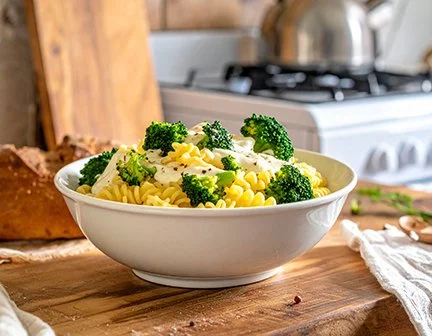
A good broccoli rescue:
Chop broccoli small. Cook it in a covered skillet with a splash of water until just tender. Remove the lid, add oil, garlic, salt, and cooked pasta. Finish with cheese or lemon if you have it.
Do not leave tired broccoli whole and expect inspiration later. Cut it small and put it to work.
If You Have Mushrooms Getting Dark
Mushrooms should not be slimy. If they are only darkening or drying a little, cook them.
Slice them and put them in a dry skillet first. Let their moisture cook off. Then add butter or oil, salt, and onion or garlic. Once browned, use them in eggs, toast, pasta, rice, soup, gravy, or beans.
Mushrooms need heat and patience. If you crowd them and stir too much, they steam and turn rubbery. Let them sit long enough to brown.
A few aging mushrooms can make a plain meal taste like you planned better than you did.
If You Have Half an Onion
Half an onion is not a problem. It is a start.
Chop it and cook it in fat. Add almost anything after that: eggs, beans, potatoes, rice, pasta sauce, soup, greens, cabbage, carrots, lentils, or ground meat.
A cut onion left too long gets dry, sharp, and unpleasant. Use it early.
If you are not cooking, chop and freeze it. Frozen onion goes straight into the pan later. It will not work raw, but it works well cooked.
If You Have Cabbage Getting Tired
Cabbage lasts longer than many vegetables, which makes it easy to forget.
When the outer leaves start looking tired, remove them if needed and use the good cabbage underneath. Slice it thin for a skillet meal, soup, slaw if still crisp, fried rice, noodles, or tacos.
Cooked cabbage needs salt, fat, and enough time.
Try this:
Slice cabbage thin. Cook it in a skillet with oil or butter and salt. Let it soften and brown at the edges. Add noodles, potatoes, beans, sausage, eggs, or rice.
Cabbage can stretch a meal without making it feel thin.
Use the Vegetable in the Next Meal, Not the Perfect Meal
This habit works best when the aging vegetable goes into the next ordinary meal.
Do not save it for a special recipe.
If breakfast is eggs, add the greens. If lunch is rice, add the pepper. If dinner is pasta, add the broccoli. If you are making soup, add the carrots and celery. If you are cooking beans, add the onion. If you are eating leftovers, turn the vegetable into a quick side.
A small homestead kitchen runs better when the oldest vegetable gets used before anything new gets opened.
The meal does not have to be impressive. It has to prevent waste.
This is where small homestead practice becomes real. You learn to cook from what needs using, not from what looks ideal.
Keep the Habit Small
Do not turn this into a full fridge inventory.
That will make it harder than it needs to be.
You are looking for one vegetable. Not all vegetables. Not every leftover. Not every jar in the door. One thing that needs attention.
If you find three things, choose the one in worst shape and use that first. The others can wait until tomorrow or the next check.
Small habits survive busy weeks. Big systems often collapse.
Once the habit becomes natural, you may start noticing more food before it spoils. Good. But do not start by demanding that much attention from yourself.
Start with one vegetable.
What This Habit Prevents
This habit prevents the slow slide from “I should use that” to “I guess I have to throw that away.”
It also prevents duplicate buying. When you use what is already in the fridge, your grocery list becomes more honest. You stop buying fresh vegetables on top of vegetables you have not dealt with yet.
That saves money, but it also saves attention.
Food waste drops when you stop asking what sounds good and start asking what needs to be used first.
A cluttered fridge makes it harder to cook. A fridge full of half-used, aging food creates low-level pressure every time you open the door. Using one vegetable before it goes soft clears both food and mental space.
This is not just about waste. It is about running a steadier kitchen.
Pair It With a Pantry Base
The easiest way to use up one vegetable is to keep a few plain pantry bases on hand.
You do not need many.
Helpful bases include:
Rice
Pasta
Potatoes
Eggs
Lentils
Beans
Oats for savory bowls
Bread
Tortillas
Broth or bouillon
Flour for fritters
Canned tomatoes
One aging vegetable plus one simple base becomes dinner often enough.
A soft zucchini becomes fritters with flour and egg. Wilted greens become soup with lentils. A wrinkled pepper becomes rice and beans. Carrots become soup with broth. Cabbage becomes noodles or potatoes.
This connects naturally to cooking from the pantry. Your existing pantry habit post already frames a useful sequence for turning expiring pantry items into a one-pot meal: fat, aromatics, starch or protein, liquid, seasoning. That same sequence works when the thing closest to spoiling is a vegetable instead of a pantry item.
A Simple Weekly Rhythm
Choose one regular time for the vegetable check.
Good options:
The night before grocery shopping
The morning of trash day
Sunday evening
Before making dinner on a busy weekday
After putting away leftovers
Before opening a new bag or bunch of produce
Attach the habit to something you already do. That keeps it from becoming another floating task.
For example:
Before writing the grocery list, open the fridge and choose one vegetable to use first.
Before making dinner, check whether one vegetable needs to go into the meal.
Before trash day, rescue one vegetable that still has value.
The rhythm matters more than the day.
The Habit in One Line
Once or twice a week, choose the vegetable closest to spoiling and use it in the next ordinary meal.
That is the whole habit.
No meal plan. No special containers. No full fridge cleanout. No guilt.
Just one vegetable handled before it becomes waste.
What to Do This Week
Open the fridge today and pick one vegetable that needs attention.
Do not choose the easiest one. Choose the oldest useful one.
Then give it a job:
Soup
Eggs
Rice
Pasta
Beans
Potatoes
Fritters
Quick pickle
Freezer portion
Cook it, freeze it, or preserve it before the day ends.
If you need help choosing small habits instead of overhauling the whole kitchen, the Tiny Homestead Starter Kit can give you a simple place to begin. Use it as a support, not another system to maintain.
The point is not to become perfect at food waste. The point is to stop letting good food slip past the point of use.
A small homestead kitchen gets stronger one decision at a time.
Today, that decision can be one vegetable.
Chances are, if you have read this far, you like this kind of content. For more, check out these posts.
How to Preserve Food Without Canning
How to Know When to Harvest Herbs for the Best Flavor
And for even more homesteading content, check out the Homestead Blog Hop!