
Tiny Homestead Habit: How to Use Up Expiring Pantry Items Before They Go to Waste (One Pot, One Habit)
If you have a can of lentils pushed to the back of the shelf, a half-used box of pasta, a jar of tomatoes with two weeks left, and dried herbs that are almost past their prime — you have a meal. You don't need a recipe. You need one repeatable habit that puts expiring pantry items into a pot before they become trash.
The best time to use an expiring pantry item is the day you notice it — not the day you clean out the cabinet
This is one of the simplest Tiny Homestead Habits you can build: once a week, pull whatever is closest to expiring, and cook it together in a single pot. No meal plan required. No special ingredients. No extra storage or prep containers. Just the food you already have and a pot you already own.
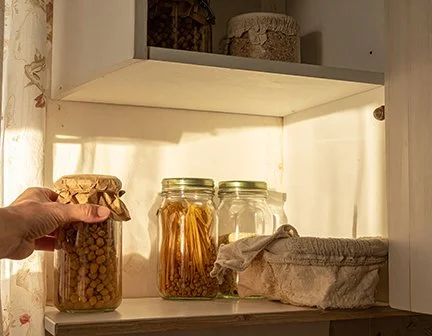
What This Habit Actually Is
Once a week — Sunday evening works well, or whatever day sits before your main grocery shop — you open your pantry and pull anything that is expiring within the next seven to ten days. Canned beans, dried lentils, pasta, rice, canned tomatoes, bouillon, grains, legumes, dried mushrooms, bottled sauces that are half-empty. You put those items on the counter. Then you cook them together.
A one-pot pantry meal isn't a recipe. It's a sequence: fat, aromatics, starch or protein, liquid, seasoning.
The sequence is always the same: fat in the pot first, then aromatics if you have them (onion, garlic, dried herbs), then your starch or protein, then liquid (water, broth, canned tomato, or a combination), then seasoning at the end. That structure works for nearly every combination of pantry items — lentil soup, bean and grain stew, pasta e fagioli, rice and chickpea broth, tomato and white bean. The specific ingredients change every week. The habit does not.
How to Do It Without a Recipe
You do not need to look anything up. The ratios that work for almost any one-pot pantry meal are straightforward. For a pot that feeds two to four people: start with one to two tablespoons of oil or fat, add aromatics and cook until soft, add one to two cups of dried grains or legumes (or one to two cans of cooked beans or lentils), add enough liquid to cover by two inches, bring to a simmer, and cook until everything is tender. Season at the end with salt, acid (a splash of vinegar or lemon juice if you have it), and any dried herbs that are close to expiring. That is the whole method.
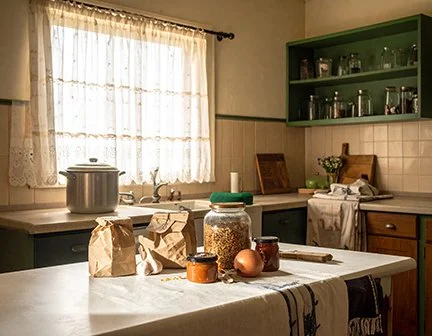
If you have a can of diced tomatoes that needs to go — add it with the liquid. If you have a partial bag of red lentils and a can of coconut milk — that is a meal. If you have three different kinds of dried beans that each have a small amount left — soak and cook them together. The pantry tells you what to make. Your job is to cook it before the date passes.
When to Do It
Pick one day. It does not have to be a cooking day or a cleaning day. It takes about five minutes to pull items from the pantry and check dates, and thirty to forty-five minutes of mostly hands-off simmering. You can do it while you are doing something else in the kitchen. The habit works because it is attached to a specific moment — the day before your grocery shop, or the evening when the week is winding down — not because it requires a block of dedicated time.
Checking expiration dates once a week and cooking what's close to expiring is one of the highest-return habits in a small homestead kitchen.
If you are not sure where to start, the Tiny Homestead Starter Kit includes a pantry checklist that makes the weekly pull faster. It lists the categories to check in order so you are not staring at a full cabinet trying to decide what qualifies. You can grab it free!

What You Are Actually Preventing
The average household throws away a significant amount of food each year, and pantry staples — the things bought with good intentions and then forgotten — are a consistent part of that loss. A can of beans that expires unused is money spent twice: once at the store, once when it goes in the trash. This habit does not require you to track everything or maintain a complicated inventory. It requires you to look once a week and cook what is close.
Reducing food waste in a small kitchen doesn't require a system. It requires one habit practiced consistently.
Over time, your pantry will stop accumulating half-used items that go bad. You will get better at knowing what combinations work. You will waste less food and spend less money replacing things you already had.
The Habit in One Line
Once a week, pull whatever is expiring soonest, put it in a pot with liquid and seasoning, and cook it. That is the whole habit.
Want more content like this?
The Weekly Indoor Garden Reset for Small Homes
How to Start Homesteading in a Small Space (Even Without Land)
Tiny Homestead Habit: Keep a Simmer Pot Going
If content like this is interesting to you, check out The Homestead Blog Hop!
