Between Shavuot and Yom Teruah: How to Keep Your Family God-Focused Between Holidays
After Shavuot, the table gets cleared. The special food disappears. The lessons, conversations, and set-apart feeling settle back into ordinary work, laundry, school, dishes, errands, and tired evenings.
I think this stretch can catch families off guard. Shavuot has passed, Yom Teruah still feels far away, and the calendar looks quiet. But the quiet stretch matters. It asks a plain question: will we keep walking with God when the feast-day structure is not carrying us?
The answer does not need to be complicated. We keep our families God-focused between holidays by treating the in-between weeks as part of the walk, not a pause from it.
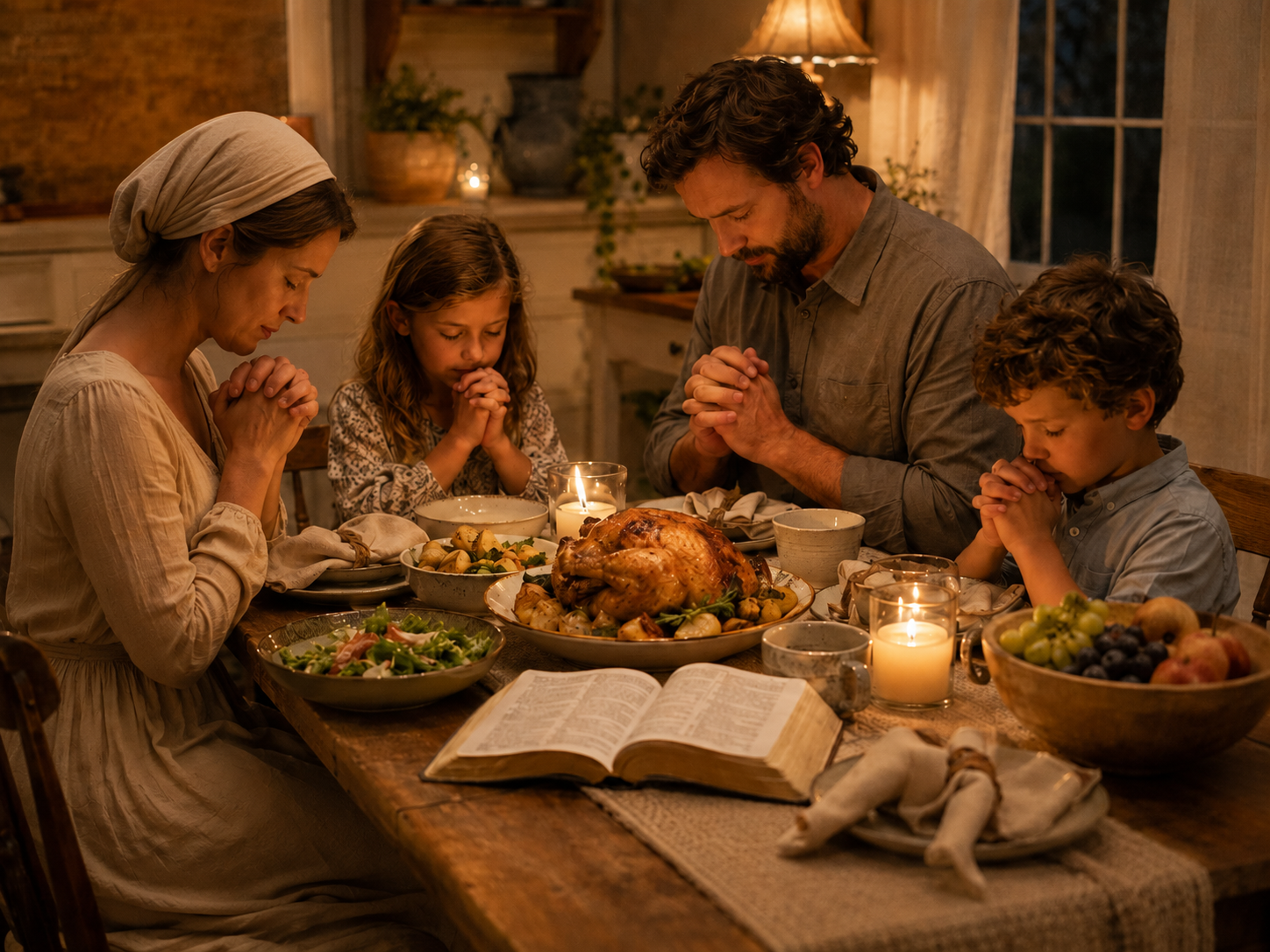
The Space Between the Feasts Matters
Shavuot reminds us of covenant, harvest, provision, obedience, and the giving of God’s instruction. Yom Teruah calls the household to attention. It wakes people up. It interrupts the drift. It begins the fall appointed times with a sound that says, “Pay attention.”
That means the stretch between them has a purpose.
I have found that it is easy to prepare well for the feast days themselves. We plan the meals, read the passages, explain the meaning to the children, and make the day feel set apart. Then the feast ends, and the house slowly slips back into autopilot.
The stretch between Shavuot and Yom Teruah is not empty space. It is where steady obedience gets practiced.
The answer is not to turn every normal day into a holiday. That would wear everyone down. The answer is to carry the meaning of the appointed times into daily life in ways a real household can actually keep.
Start With One Question Each Week
During the stretch between Shavuot and Yom Teruah, ask one simple question at the start of each week:
What needs our attention before God this week?
That question works because it keeps faith close to real life. It does not require a new binder, a complicated family devotional system, or a dramatic spiritual reset.
Ask it around the table, during a Sabbath meal, while folding laundry, or before the week begins. Then answer it plainly.
Maybe your household needs more patience. Maybe screens have taken over the evenings. Maybe the family has become careless with speech. Maybe prayer has become rushed. Maybe everyone feels scattered, and the home needs a calmer rhythm before bedtime.
Name one thing. Bring it before God. Practice obedience in that one place.
Keep Scripture Small Enough to Repeat
One reason families lose focus between holidays is that we make the daily plan too large. A long reading plan sounds good until the week gets crowded. Then everyone misses a day, feels behind, and quits.
A smaller Scripture rhythm usually serves the home better.
Read a short passage after breakfast. Read one Psalm on Sabbath. Memorize one verse for the week. Review one commandment and talk about how it shows up in ordinary decisions. Read from the prophets as Yom Teruah gets closer and listen for the repeated call to return, listen, remember, and prepare.

For younger children, keep the question concrete:
“What does this show us about God?”
“What does this teach us to do?”
“What would obedience look like today?”
For older children, let the conversation go deeper:
“Where do people ignore this now?”
“What makes this hard to obey?”
“How would our home change if we took this seriously?”
The point is not to finish a large amount of material. The point is to keep God’s Word in the mouth of the household.
Let Shavuot Shape the Summer
Shavuot should not end when the day ends. Let its themes guide the weeks that follow.
Shavuot points to firstfruits, harvest, provision, covenant, and instruction. Those themes fit naturally into home life.
When we bring food into the house, we can talk about provision. When children help in the kitchen, we can talk about gratitude. When the garden gives even a small harvest, we can thank God before the food gets swallowed without thought. When work feels repetitive, we can remind the family that obedience often looks like doing the next faithful thing.
You can also connect Shavuot to the way your family handles learning.
God’s instruction is not decoration for a holiday table. It teaches the household how to live. Between Shavuot and Yom Teruah, choose one command or theme each week and practice noticing it.
Try themes like:
honest speech
honoring parents
care for the poor
Sabbath preparation
contentment
forgiveness
gratitude
diligence
guarding the tongue
remembering God’s provision
Do not turn this into a lecture series. Bring it into the day when it fits. A child complains, and you talk about gratitude. Someone speaks sharply, and you talk about the tongue. The grocery budget feels tight, and you talk about provision and contentment.
That is how the feast becomes a household rhythm.
Build a Simple Evening Return
The weeks between holidays need a small daily return point. Evening works well because the day has already shown its fruit.
This does not need candles, music, crafts, or a long devotional. A simple pattern works better.
A God-focused family does not wait for the next holiday to remember Him.
At the end of the day, ask:
Where did we remember God today?
Where did we forget?
What do we need to set right before tomorrow?
That rhythm teaches children that walking with God includes correction. It also keeps parents honest. A God-focused home is not a home where everyone performs holiness. It is a home where people return quickly.
Some nights will feel smooth. Some nights will involve apologies. Some nights will only allow one sentence before everyone needs sleep.
Keep it plain. Keep it repeatable. Keep it honest.
Use Meals as Anchors, Not Productions
Families already gather around food. Use that.
Between Shavuot and Yom Teruah, let one meal each week carry a little more intention. Sabbath dinner works well, but any consistent meal can serve the household.
At that meal, ask one question connected to the season:
“What has God provided this week?”
“What do we need to listen to more carefully?”
“What has distracted us?”
“What should we prepare before Yom Teruah?”
“What fruit do we see from obedience?”
“What fruit do we see from neglect?”
You do not need themed recipes every week. You do not need a perfect tablescape. A pot of soup, bread, eggs, beans, rice, garden vegetables, or leftovers can hold a faithful conversation.
The table does not need to impress anyone. It needs to gather the people who live in the house and turn their attention back to God.
Teach Children That Preparation Happens Before the Sound
Yom Teruah is often associated with the trumpet blast, with waking up, remembering, and preparing for the fall appointed times. That makes the weeks before it valuable.
Children understand preparation when they can see it.
Before a trip, bags get packed. Before Sabbath, food gets prepared. Before winter, coats get checked and supplies get put in order. Before a guest arrives, the house gets cleaned.
Use that same logic spiritually.
Tell them: “We do not wait until Yom Teruah to start paying attention. We practice listening now.”
That can look like quieter Sabbath afternoons, less rushed prayers, more careful speech, or a family decision to remove one distraction that keeps stealing attention.
Do not make it dramatic. Make it visible.
A family might choose to stop eating dinner in front of screens during this stretch. Another family might read one Psalm before bed. Another might use the drive to errands for prayer instead of noise. Another might practice giving by setting aside a small amount each week for someone in need.
The action should fit the household. The reason should stay clear: we are learning to listen before the trumpet sounds.
Watch for Drift Without Becoming Severe
The long middle stretch can reveal drift.
You may notice that Sabbath preparation has become sloppy. You may notice that prayer only happens when something goes wrong. You may notice that the children know the feast-day stories but do not know how to connect them to chores, money, speech, food, or conflict.
Notice it without panic.
The ordinary weeks between appointed times reveal whether faith has become a rhythm or only an event.
Correction does not need a harsh tone. It needs leadership.
Say, “We have gotten careless here. We are going to put this back in order.”
Then make the next step small enough to keep.
If mornings feel chaotic, put Scripture at breakfast instead of trying to create a separate devotional block. If evenings fall apart, pray in the car before everyone gets out. If Sabbath has become rushed, prepare one thing earlier in the week. If children resist, shorten the practice and stay consistent.
A steady rhythm teaches more than a severe one.
Keep the Home Oriented Toward God in Ordinary Work

The in-between weeks include plenty of ordinary work. That is not a problem. Ordinary work gives families daily material for faithfulness.
Laundry can teach service. Dishes can teach diligence. Gardening can teach patience. Cooking can teach gratitude. Budgeting can teach contentment. Cleaning can teach order. Apologies can teach repentance. Rest can teach trust.
A God-focused family does not need constant religious activity. It needs a clear understanding that all of life belongs before Him.
Say this out loud to your children:
“We serve God in how we speak.”
“We serve God in how we work.”
“We serve God in how we rest.”
“We serve God in how we treat each other when we are tired.”
“We serve God when nobody is watching.”
That kind of instruction makes the space between holidays fruitful.
A Practical Weekly Rhythm Between Shavuot and Yom Teruah
Here is a simple rhythm that works in a small home, a busy home, an apartment, or a family with limited time.
On Sabbath, read a short passage and ask what needs your household’s attention that week.
During the week, connect that theme to real moments as they happen.
At one shared meal, ask how the family has seen God’s provision, correction, or help.
In the evening, use a short return question: where did we remember God, and where did we forget?
As Yom Teruah gets closer, begin talking about listening, waking up, and preparing the heart before the fall feasts arrive.
That is enough structure to guide the home without turning the season into another burden.
What This Looks Like in Real Life
A family with young children might choose one verse for the week and repeat it at breakfast. When sibling conflict shows up, the parent connects the verse to the moment. On Sabbath, the family talks about one way God helped them obey.
A family with teenagers might read a short passage from the prophets once a week and talk honestly about distraction, repentance, and listening. The parents might ask each person to name one thing that has been pulling their attention away from God.
A single parent might keep the rhythm even simpler: one Sabbath reading, one mealtime question, one evening prayer. That still counts. Faithfulness does not require a full table or a quiet house.
A couple without children at home might use the stretch to review the household rhythm before the fall feasts. Where has the home become noisy? Where has Sabbath become thin? Where has obedience become theoretical instead of practiced?
The same principle applies in every household: keep returning.
Do Not Waste the Quiet Stretch
The space between Shavuot and Yom Teruah can look uneventful from the outside. No major feast meal waits at the end of the week. No obvious preparation fills the kitchen. No child is counting down to a celebration every morning.
But quiet weeks form a household.
They show what the family reaches for when the calendar does not force attention. They reveal whether Scripture has a place in ordinary conversation. They expose drift, but they also give room for correction.
Do not despise the middle stretch. Use it.
Yom Teruah does not arrive out of nowhere; families prepare for it by paying attention long before the trumpet sounds.
Let Shavuot remind your family that God gives instruction and provision. Let Yom Teruah remind your family that His people must stay awake and ready. Then let the weeks between them become a training ground for steady obedience.
The holidays matter. So do the days between them.