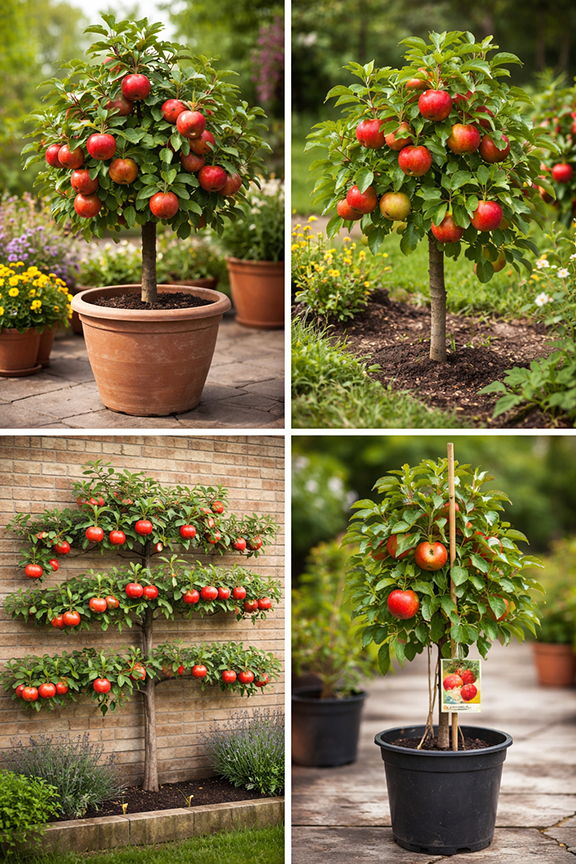
Growing Apples in Small Spaces
Yes, You Can Grow Apples in Containers (and Still Get Real Fruit)
Apples feel like orchard trees—wide, rooted, permanent. But that picture leaves out something important: apples are one of the most adaptable fruit trees you can grow. With the right rootstock and a little intention, they do just fine in containers—and they can still produce full-sized fruit.
If your homestead is a patio, a gravel yard, or a collection of grow bags in the shade, apples are not off the table.
Can Apples Really Grow in Containers?
Yes—but not just any apple tree.
The key is the rootstock, not the variety. Most apple trees are grafted: the top determines the fruit, and the rootstock controls the size and growth habit.
For containers, you want dwarf or semi-dwarf rootstock. Standard trees will outgrow a pot quickly and struggle.
A container-grown apple tree needs:
A pot at least 15–20 gallons (larger is better long-term)
Well-draining soil (not garden dirt)
Consistent watering (containers dry out fast)
Regular feeding (they can’t forage like in-ground trees)
Winter protection if your temps drop hard
Think of it less like a wild tree and more like a managed kitchen garden crop.
Miniature Trees That Produce Full-Sized Apples
This is the part most people miss: “dwarf” refers to the tree, not the fruit.
A properly grafted dwarf apple tree produces the same full-sized apples you’d expect from a large orchard tree. The only difference is scale—height, spread, and root system.
Here are the rootstocks to look for:
M27 — Extremely Dwarf
Grows about 5–6 feet tall
Ideal for containers and very small spaces
Needs staking for life
Produces earlier but smaller yields
This is your “apple tree on a patio” option.
M9 — Classic Dwarf
6–10 feet tall
Very productive for its size
Common in commercial orchards
Excellent balance of size and yield
If you want meaningful harvests in a container, this is the sweet spot.
M26 — Semi-Dwarf
8–12 feet tall
Can work in very large containers
More forgiving and vigorous
Larger harvest potential
This leans closer to a “small yard tree in a pot.”
Choosing the Right Apple Variety
Once you’ve got the rootstock right, choose varieties that:
Do well in your climate (important in Colorado—look for cold-hardy types)
Ripen at different times if you want a longer harvest
Store or cook well if you’re tying into your kitchen
For cooking and preserving, strong choices include:
Honeycrisp (fresh eating, but versatile)
Fuji (sweet, holds shape)
Granny Smith (classic for baking)
Jonathan or Jonagold (excellent flavor for pies)
If your goal is apple pie filling, you want apples that hold structure when cooked, not ones that collapse into mush.
One Important Catch: Pollination
Most apple trees are not self-fertile.
You will need:
A second apple tree nearby or
A neighbor’s tree within pollination distance
If you only have room for one container tree, look for self-fertile varieties or multi-grafted trees (one tree with multiple varieties on it).
What to Expect from a Container Apple Tree
Be realistic, and you’ll be happy.
A container tree will not give you bushels. But it will give you:
Enough apples for a small batch of pie filling
Fresh eating fruit right outside your door
A seasonal rhythm that connects your kitchen to your growing space
And that matters more than volume.
When to Plant Apples in Containers (So They Actually Thrive)
If you’re planning to grow apples in containers, timing matters more than most people think. A tree planted at the right moment settles in quietly. A tree planted at the wrong time spends the whole season trying to recover.
The best time to plant is early spring, just before the tree breaks dormancy. You’re looking for that in-between moment—buds swelling, but not fully leafed out. In most climates like ours, that usually falls somewhere between March and early April.
Planting at this stage gives the tree a head start. Roots begin establishing while temperatures are still mild, and by the time summer heat arrives, the tree is stable enough to handle it.
Fall is your second-best option. Planting in early fall allows roots to develop while the top of the tree rests. The only caution is winter exposure—containers don’t insulate roots the way the ground does, so you may need to tuck the pot into a protected spot once temperatures drop.
You can plant later in spring or even early summer if you’re buying a potted nursery tree, but now you’re managing stress instead of preventing it. That means more watering, more shade, and closer attention overall.
There’s one more step that feels counterintuitive but matters: if your tree produces fruit in its first year, remove it. Let the tree build roots instead of apples. It’s a short-term sacrifice that pays off in long-term harvest.
A well-timed planting doesn’t just give you a healthier tree—it sets the rhythm for everything that comes after. Growth, harvest, and eventually, something as simple as a pan of warm apples on your table.
And that’s where we’re headed next.
From Tree to Table
It’s a great delight, cooking apples you grew yourself—even if they came from a pot on a patio.
They’re not just ingredients. They’re part of the cycle.
That’s exactly why preserving them makes sense. A small harvest can still become jars on a shelf, ready for winter baking or a simple skillet of warm apples.
If you’re ready to use what you grow (or what you pick up fresh in season), the next step is simple:
→ Make your own apple pie filling—freezer-friendly, canning-ready, and adaptable with or without sugar.