When the Temple Fell: Faith Without a Center
In AD 70, everything changed.
The Romans destroyed Jerusalem. The Temple—heart of Israel’s worship, the place where heaven and earth were understood to meet—was reduced to rubble. No altar. No sacrifices. No pilgrimage system. No central gathering point.
For a people whose life revolved around that מקום (place), the question wasn’t theoretical:
How do you remain faithful when the center is gone?
This was not just a logistical crisis. It was a theological one.
Life Before the Destruction
The Temple was not optional.
It was the place of:
• Sacrifice
• Atonement
• National gathering during the feasts
• Priestly service
• The visible dwelling of God’s Name
Three times a year, Israel went up. Daily offerings were made. Sin was dealt with through blood on the altar.
Remove the Temple, and the entire system appears to collapse.
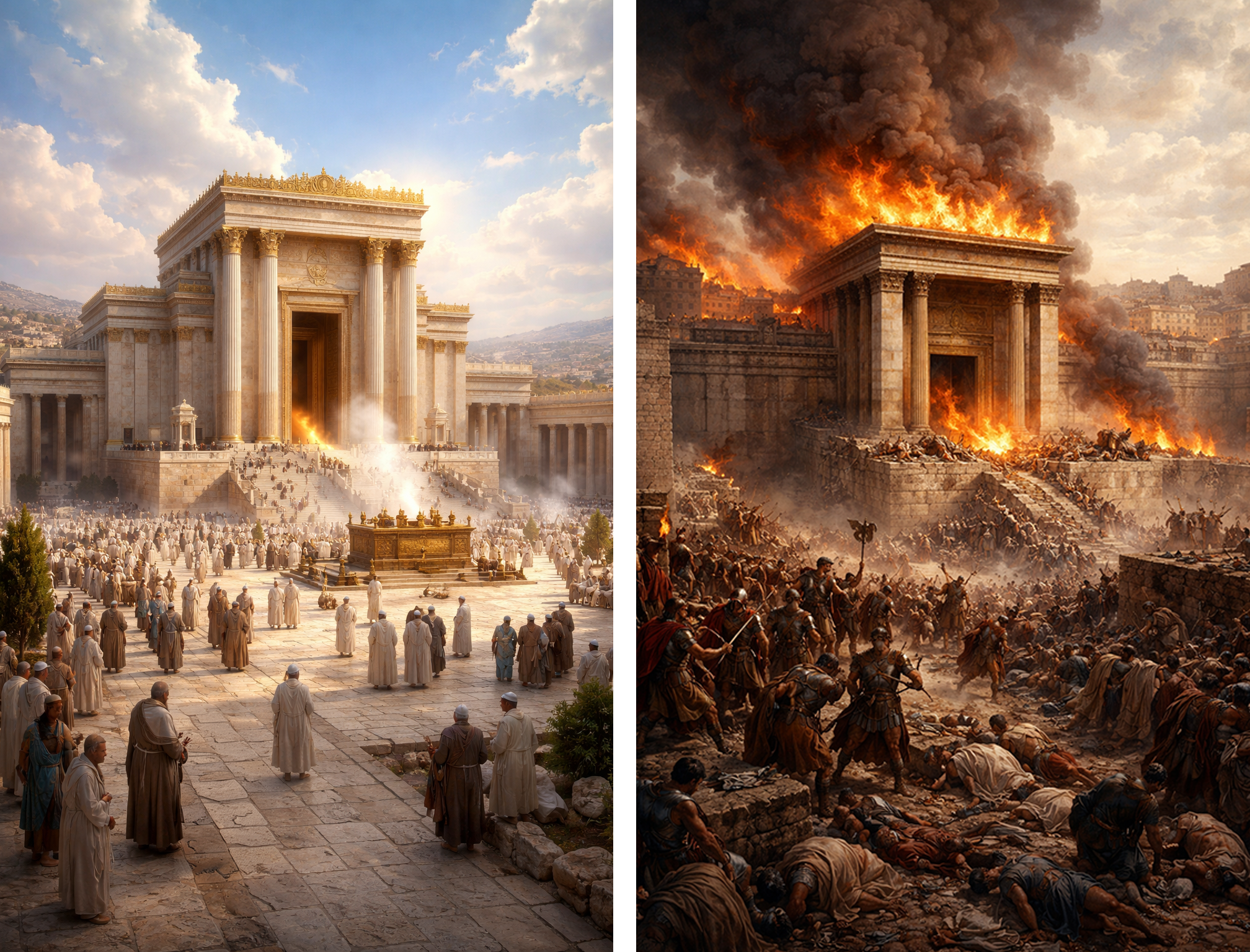
The Temple before and during the destruction by the Romans
After AD 70: The Crisis
When the Temple fell, several immediate problems emerged:
• No place for sacrifices (Torah requires a specific מקום - makom)
• No functioning priesthood system in practice
• No pilgrimage destination
• No altar for atonement rituals
This wasn’t just “we’ll meet somewhere else.”
There was no replacement built into the system.
So what happened next is one of the most significant shifts in religious history.
The Rabbinic Response: Rebuilding Without Stones
What we now call Rabbinic Judaism emerged in this vacuum—not as a random development, but as an intentional restructuring of Jewish life without a Temple.
Here’s the core move:
They relocated holiness from a place… to a practice.
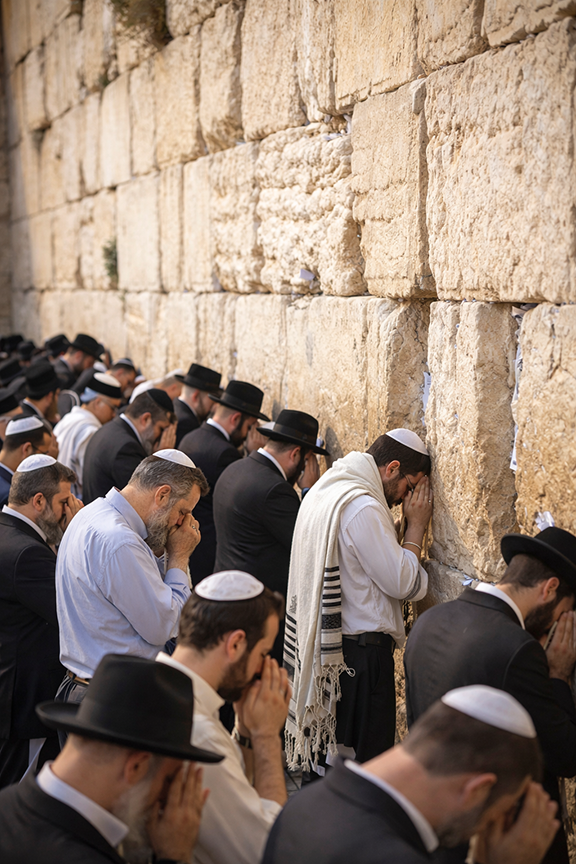
Instead of Temple-centered worship, they developed:
1. Prayer in Place of Sacrifice
Fixed daily prayers (Shacharit, Mincha, Ma’ariv) were established to correspond to the daily offerings.
Prayer became the “offering of the lips.”
2. Torah Study as Central Worship
Study was elevated to a sacred act equal to, and in some ways surpassing, Temple service.
The בית מדרש (house of study- beit midrash) became a new kind of sacred space.
3. The Synagogue System
Local gathering replaced centralized pilgrimage.
Every community could now function religiously without Jerusalem.
4. Table as Altar
The home—especially the table—took on Temple-like significance.
Blessings over food mirrored sacrificial language and structure.
5. Law as Living Temple
Halakhah (the way of walking) became the structure that held everything together.
Instead of a physical center, life itself became ordered as sacred space.
This was not a small adjustment.
It was a complete reconfiguration of how covenant life functioned.
Did This Replace the Temple?
Not exactly.
Even in Rabbinic Judaism, the Temple was never theologically erased. It was:
• Remembered daily
• Mourned annually (Tisha B’Av)
• Included in prayers for restoration
So the shift was not “the Temple no longer matters.”
It was:
“We must remain faithful in its absence.”
A Parallel Question: Was This Always the Plan?
This is where perspectives diverge.
Some see Rabbinic Judaism as a faithful adaptation—preserving Israel through catastrophe.
Others argue it represents a significant shift away from the Torah’s original Temple-centered structure.
Still others (especially in Messianic thought) see AD 70 not only as judgment, but as a transition point—where atonement, priesthood, and access to God are understood differently, not tied to a physical structure.
That question—adaptation or transformation?—is still being debated.
The Future: Will There Be Another Temple?
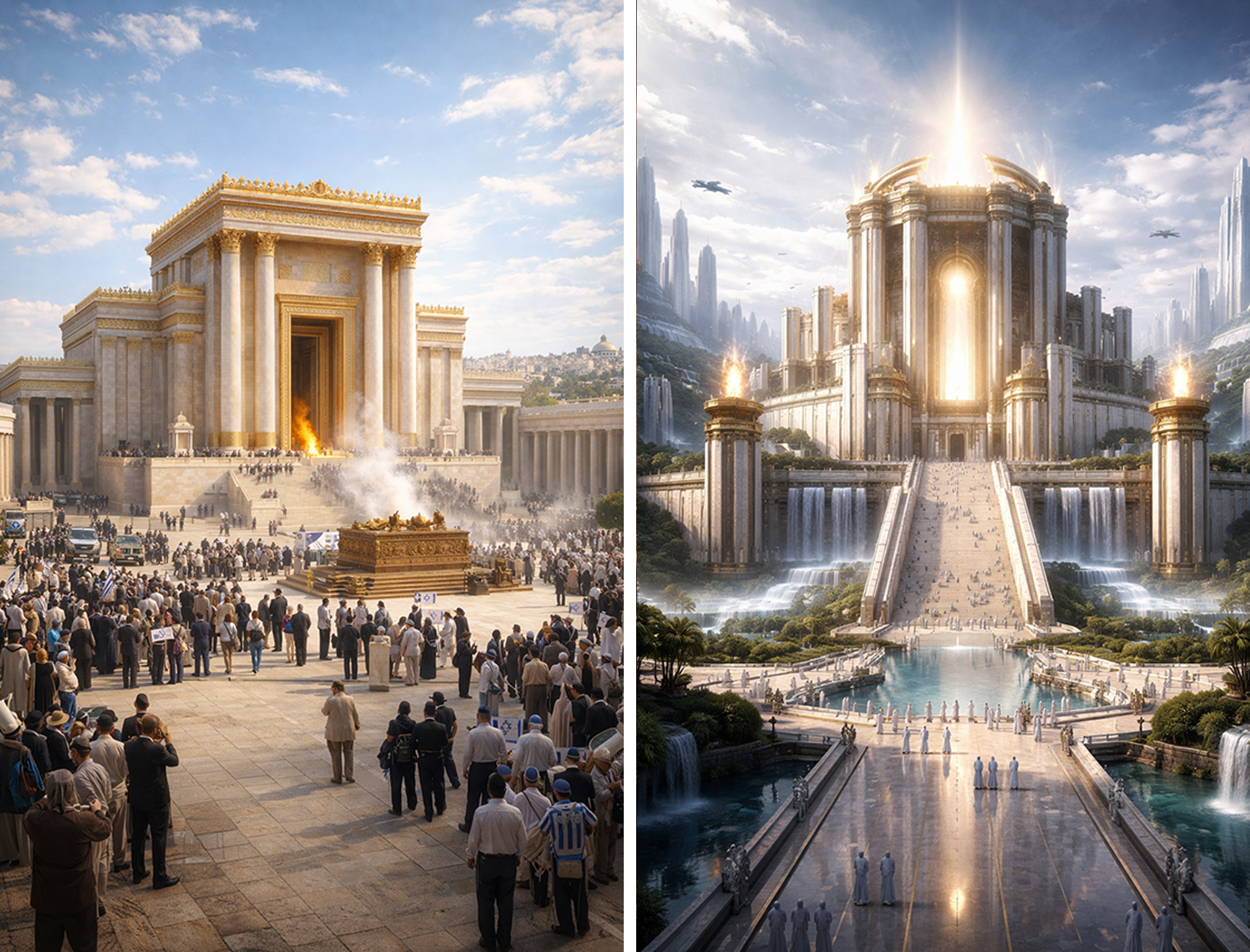
The New Temple in Jerusalem and the Future Temple in the New Heaven and Earth