
Creative Sabbath
Rest, Rhythm, and Making with Intention
Creative Sabbath is not a program. It is not a challenge. It is not a productivity system disguised as rest.
It is a posture.
This space gathers essays and practices that explore what it means to create from rest instead of hurry, to live inside rhythm instead of rush, and to let making serve peace rather than compete with it.
I write these pieces for women who make — with their hands, their homes, their words, their work — and who sense that exhaustion is not the price creativity is meant to demand.
If you like freebies, scroll to the bottom of this page. And check back often. I add new ones all the time!
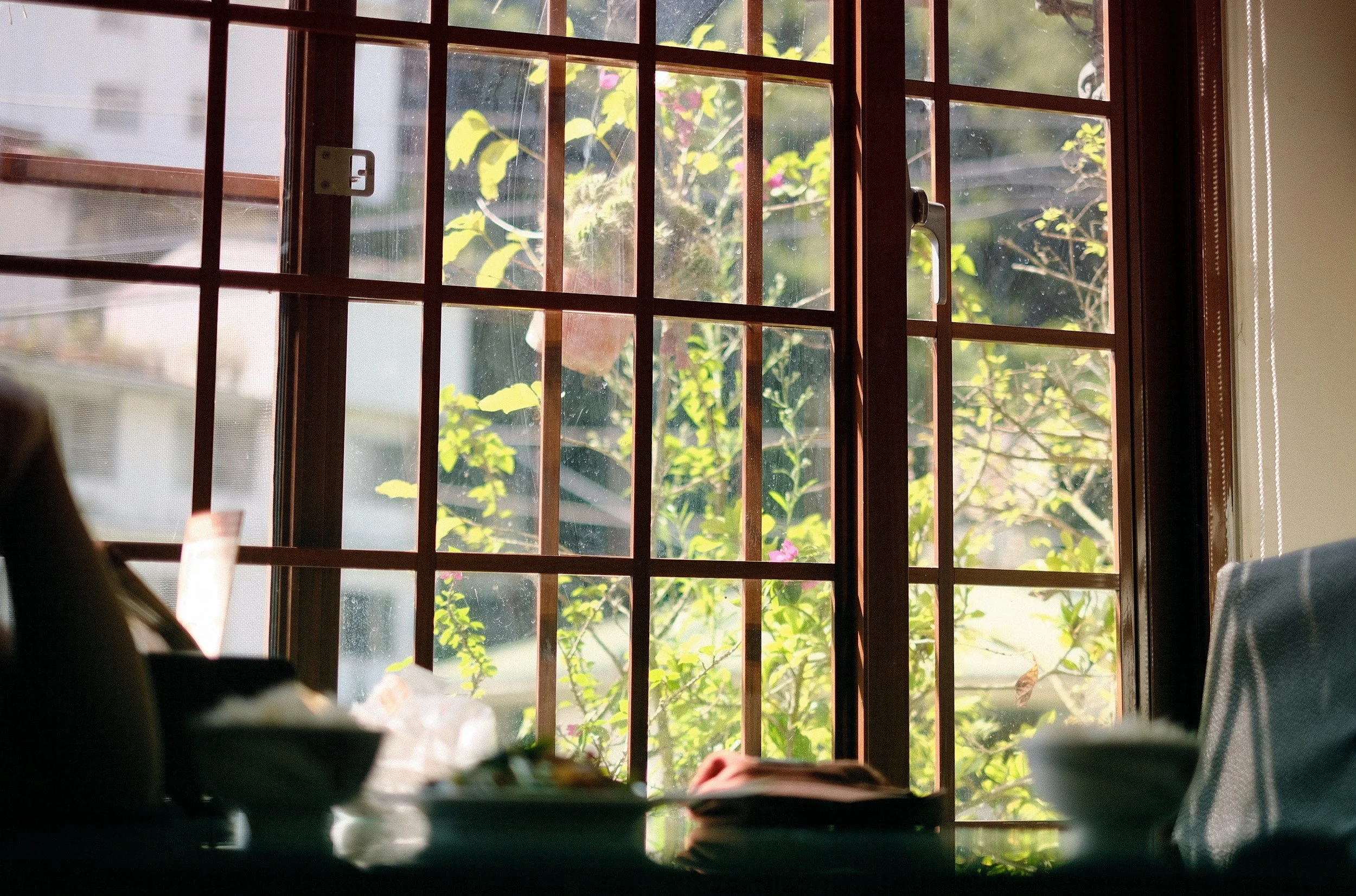

Creating a Sabbath Table
My Sabbath table doesn’t need to be elaborate to be meaningful. Candles, bread, wine, a shared meal, and traditions gathered over the years help turn an ordinary table into a place set apart for Shabbat.

Preparing for Shabbat Before the Sun Sets
Preparing for Shabbat is about more than getting dinner on the table before sunset. By spreading ordinary preparations throughout the week, we can let Friday carry less—and make room to welcome Shabbat with greater peace, intention, and rest.
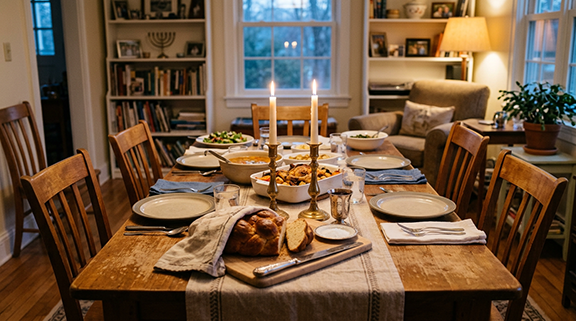
What Keeping Sabbath Looks Like in Real Life
Keeping Sabbath does not have to look polished to be faithful. In our home, it begins Friday evening, gathers us with our kahal, and closes with Havdalah after sundown.

Sabbath Rest: The Work Is Already Complete
By the time Sabbath comes, most people are tired.
Not just physically—though that is real—but deeply, inwardly spent. The week has taken something, and rest feels like the attempt to get it back.
So we collapse.
We sleep longer. We move slower. We try to recover what was drained.
But that is not what Sabbath is.
Sabbath is not the recovery of what was lost.
It is the recognition of what was already finished.
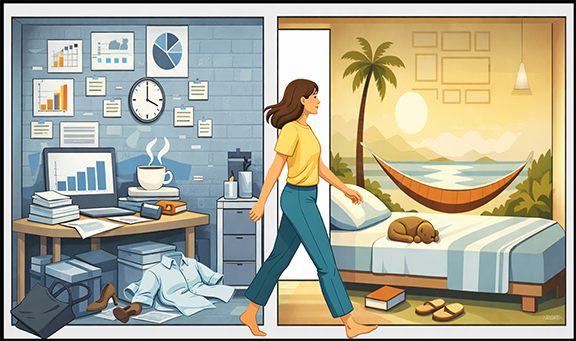
Preparing for Rest Is Work (and Why That’s Not a Contradiction)
Sabbath doesn’t fail because people don’t love rest.
It fails because they try to drop into it unprepared.
We imagine rest as a soft landing—something we simply enter once the work stops. But for most of us, work doesn’t stop cleanly. It trails behind us like loose threads: unfinished tasks, unanswered emails, half-made decisions, lingering responsibilities. When we ignore those threads and attempt to “just rest,” they don’t disappear. They tighten.
That’s why Sabbath often feels restless.

Sabbath When You Don’t Sleep Well
Sabbath is often taught as rest for the weary—but what if you are weary because you don’t rest well?
For those of us who live with insomnia, chronic pain, or bodies that don’t follow predictable rhythms, Sabbath can feel complicated. We hear invitations to rest, but rest has never been simple for us. Lying down doesn’t guarantee sleep. Letting go doesn’t always bring relief. Sometimes stopping feels more vulnerable than continuing.

When Rest Feels Risky
Sleep is something that may or may not come. Rest is something I can choose. Rest is lowering demand. It’s stopping the constant bracing. It’s allowing my body to focus on healing instead of endurance.
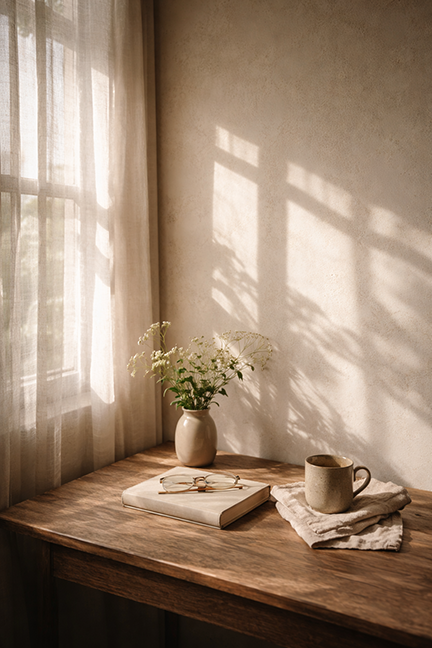
The Theology of Enough
Sabbath is not primarily about stopping work. It is about learning where work ends.
Each week, Sabbath draws a boundary and says: This far, and no farther.
Not because the work is finished — it rarely is — but because humans are not meant to live without limits.