
Homesteading Before You Own a Homestead
Why the Homestead Life Begins Long Before You Own the Land
If you had driven down our dusty road when I was a teenager, you would have found ten acres that answered to the name Milarc. It wasn't an official place name. It was simply the name of our little horse stable, and somehow it came to represent the whole property.
Milarc wasn't picture-perfect. Long before magazines and social media began celebrating "the homestead lifestyle," ours was what I like to call orderly chaos.
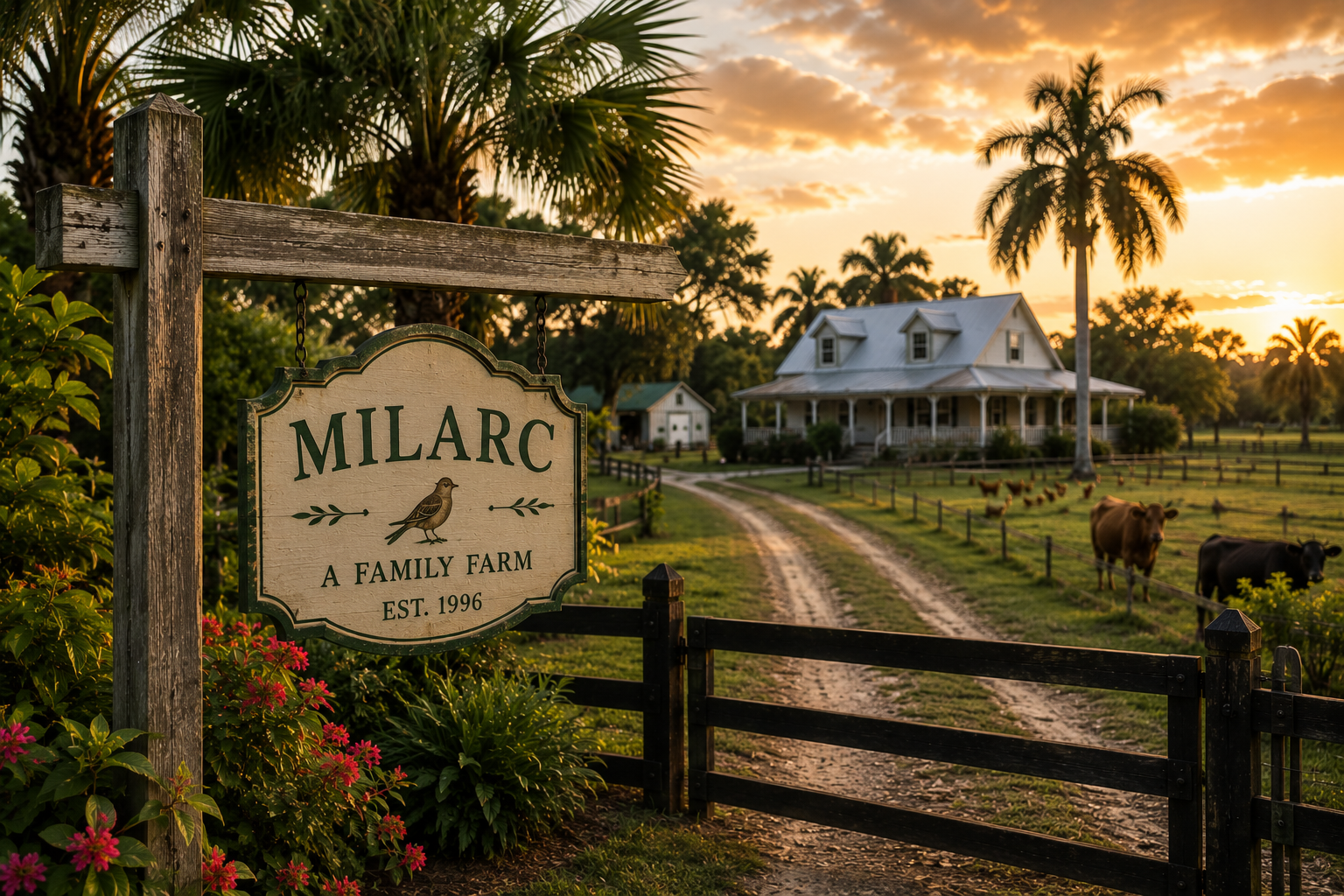
There were horses in the pasture—my greatest delight. My dad raised cattle. My younger brother kept chickens. My mother cultivated thousands of plants that she sold commercially from her nursery. Every corner of those ten acres had a purpose, even if it wasn't immediately obvious to anyone visiting for the first time.
There was always a gate to repair, a fence to mend, a horse to catch, seedlings to water, or chores waiting to be done. Looking back, I don't remember wondering whether we were "homesteading." We were simply living.
Our animals reflected my mother's sense of humor. She enjoyed her daily glass of wine, so our cat was named Chablis. Two of our horses answered to Tawny Port and Gamay. Those names seemed perfectly ordinary to us.
One afternoon, while we were building the house, my mother spotted a snake stretched across a sunny windowsill. Startled, she did the only thing she could think of while holding a glass of wine—she threw the wine at the snake. The snake was unimpressed, but our family gained a saying that lasted for years:
"When you're afraid of something, pour wine over the problem."
It became shorthand for life's unexpected interruptions. Homestead life has a way of reminding you that your carefully made plans may change before lunch. A sense of humor is nearly as valuable as a good pair of work gloves.
Years have passed since those days at Milarc.
I've lived on other homesteads. I've lived in cities. As I write this, I'm sitting in a small condominium, planning and praying for the next homestead my husband and I hope to build.
Some people think that means I've pressed "pause" on homesteading. I don't.
Because I've learned that a homestead doesn't begin with acreage. It begins with stewardship.
It begins the moment we decide to become producers instead of only consumers, students instead of spectators, and caretakers of the resources God has already entrusted to us.
That's why I named this site Once & Future Homestead. I've lived this life before, and, Lord willing, I'll live it again. Until then, I'm learning, planning, practicing, and sharing the journey with anyone else who dreams of doing the same.
Whether you're living on forty acres, a quarter-acre lot, or in a condominium with a few pots of herbs on the balcony, you don't have to wait to begin.
In fact, waiting is the biggest mistake future homesteaders make.
The Myth of "Someday"
"I'll learn to bake bread when we buy the farm."
"I'll start gardening after we move."
"I'll learn to preserve food once we have fruit trees."
I've heard versions of those sentences for years. They're understandable, but they're backwards.
Land doesn't make a homesteader any more than owning a piano makes someone a musician.
A homestead is built on knowledge, habits, and faithful stewardship. The land simply gives those skills room to grow.
Imagine two families buying identical five-acre properties.
The first family has spent the previous five years learning to cook from scratch, preserving seasonal food, repairing clothing, growing herbs in containers, budgeting carefully, and keeping a notebook full of observations and plans.
The second family has spent five years watching videos about homesteading while waiting for "someday."
Both families receive the keys on the same day.
Which one is actually prepared?
The answer has very little to do with acreage.
Everything you learn today becomes part of the life you'll build tomorrow.
That means your homestead can begin this week, in the home you already have.
In the sections that follow, we'll look at ten foundational skills you can begin learning right now—skills that will serve you whether you remain in an apartment for another year or close on your dream acreage next month.
Seven Foundational Skills Every Future Homesteader Should Learn
If someone handed you the deed to your dream homestead tomorrow, what would you do first?
Plant a garden?
Build a chicken coop?
Order fruit trees?
Those are exciting projects, but they're not the foundation. The foundation is the collection of skills that allow you to care for your land, your family, and your resources well. The good news is that nearly all of these skills can be learned before you own a single acre.
1. Learn to Cook from Basic Ingredients
A homestead kitchen isn't built around convenience foods. It's built around ingredients.
When you know how to turn flour, eggs, butter, milk, vegetables, herbs, and meat into nourishing meals, you're no longer dependent on boxed mixes or take-out. You're also better equipped to adapt when life doesn't go according to plan.
One of the greatest skills you can develop is learning to cook without a recipe. Understand why onions are browned before adding other ingredients. Learn how acids brighten flavors and how herbs change a dish. Discover why a stew thickens or why bread rises.
Those lessons stay with you whether you're cooking in a condo kitchen or on a wood cookstove.
Start today: Choose one family favorite that's usually made from a box or package, and learn to make it completely from scratch.
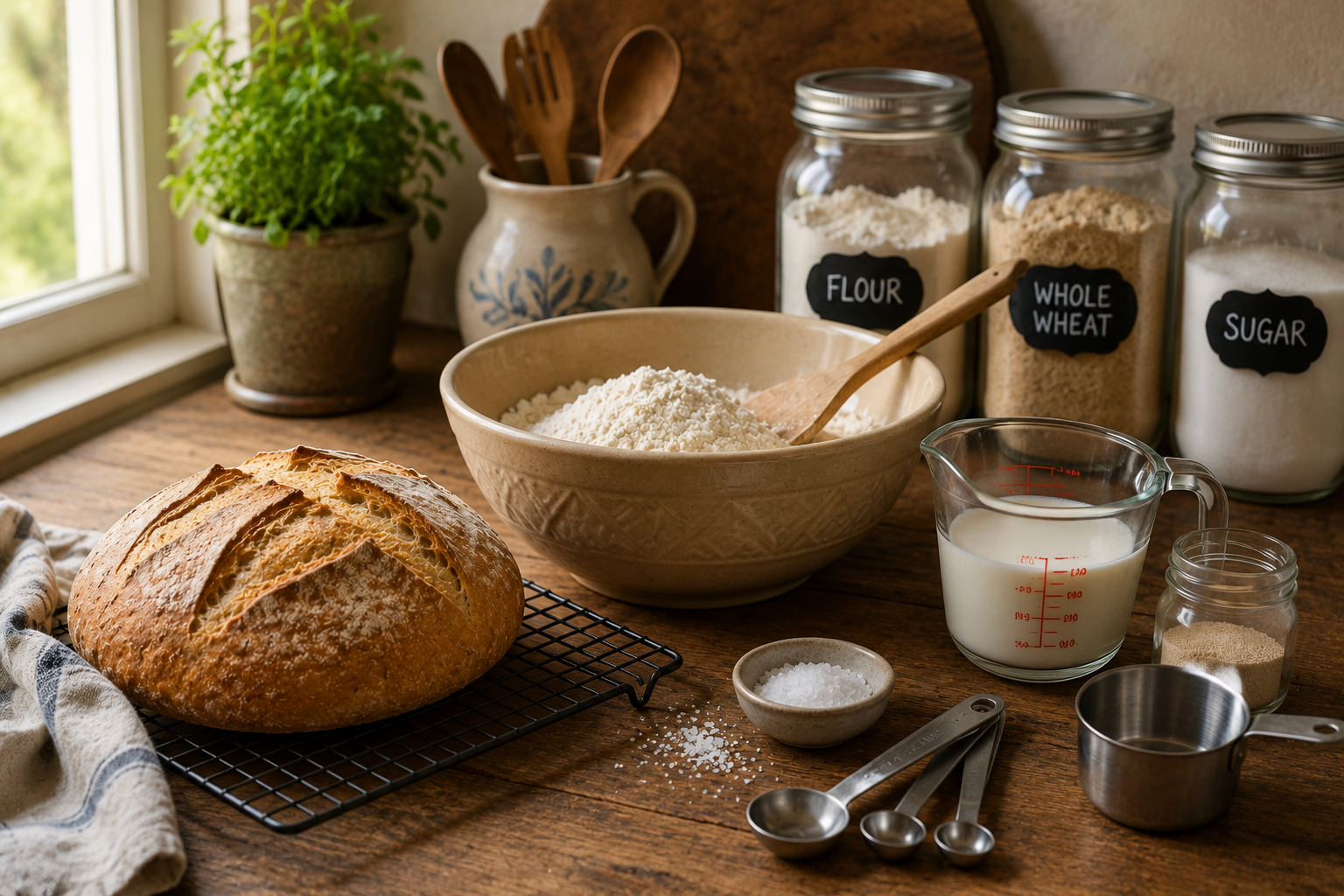
2. Bake Bread
Pulling a loaf of bread from the oven is deeply satisfying.
Yes, it's economical. Yes, it fills the house with an aroma that no scented candle can imitate. But bread teaches far more than baking.
It teaches patience. Dough rises on its own timetable, not yours. It teaches observation as you learn to recognize the feel of properly kneaded dough or the look of a loaf that's ready for the oven. It also teaches resilience, because every baker eventually produces a loaf that could double as a doorstop.
Don't be discouraged by those failures. Every less-than-perfect loaf teaches you something.
Start with simple yeast breads. Learn how flour behaves in different seasons. Experiment with whole grains. If sourdough interests you, there's plenty of time to explore it later. Build confidence first.
Start today: Commit to baking one loaf of bread each week for the next month.
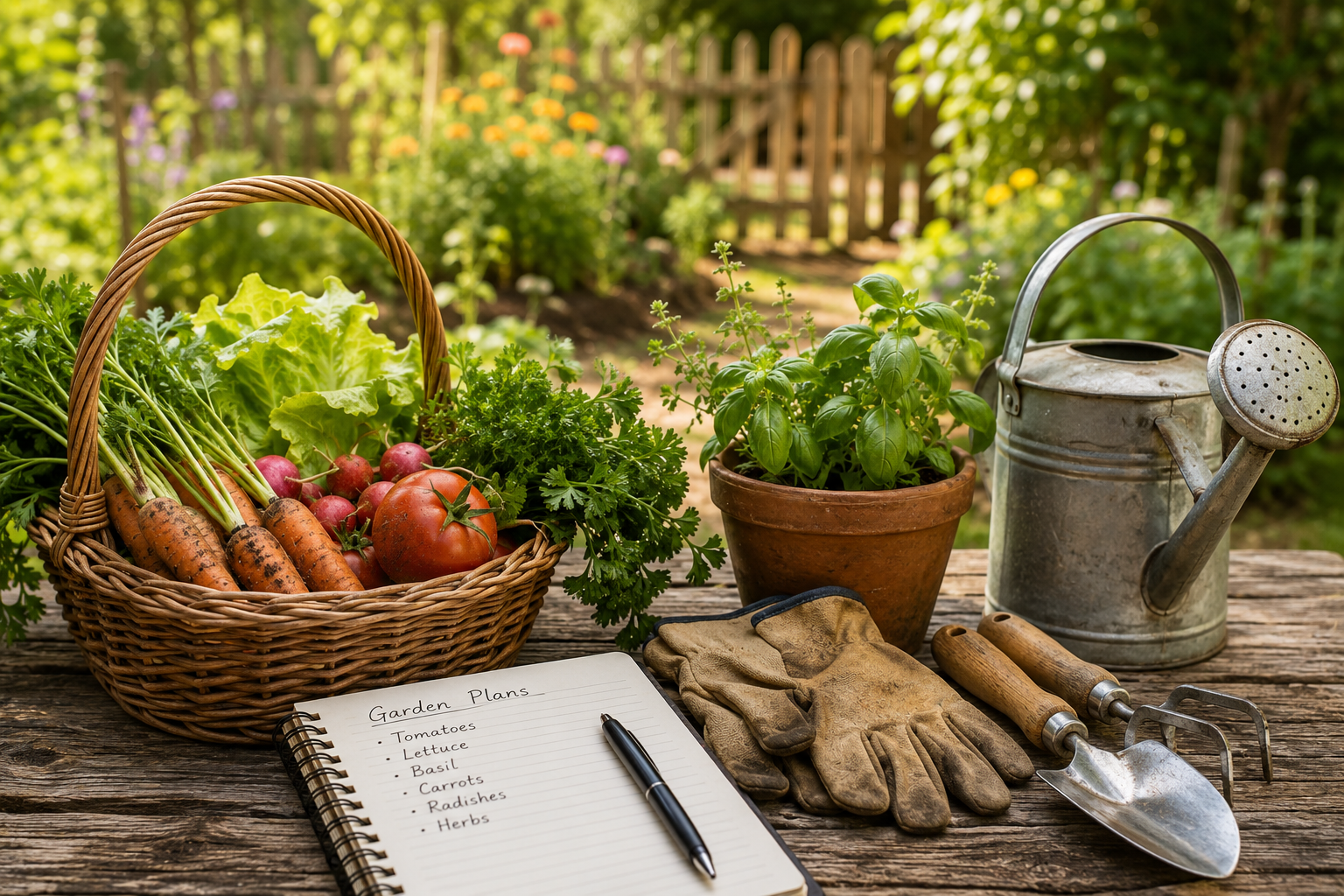
3. Grow Something You Can Eat
You don't need raised beds or an acre of rich soil to become a gardener.
A sunny windowsill can grow parsley. A patio can support tomatoes in containers. Even microgreens grown on a kitchen counter will teach you about watering, light, temperature, and timing.
Every successful harvest—no matter how small—builds confidence.
More importantly, gardening teaches observation.
You'll begin to notice how quickly soil dries in July compared to May. You'll recognize insect damage before it becomes severe. You'll learn that some plants thrive while others struggle, even when they're side by side.
Those observations become the instincts of an experienced gardener.
Start today: Grow one herb you'll actually use in your cooking. Learn everything you can about keeping it healthy.
4. Preserve Food
A freezer is wonderful, but it's only one tool.
Learn the strengths of different preservation methods:
Freezing preserves texture and flavor.
Dehydrating reduces storage space.
Fermenting develops flavor while encouraging beneficial bacteria.
Water-bath canning is suitable for high-acid foods.
Pressure canning is necessary for low-acid foods.
Don't feel pressured to learn everything at once.
Master one method before moving to another.
Most importantly, follow tested, research-based preservation methods. Food preservation is one area where "Grandma always did it this way" isn't always the safest guide.
Start today: Freeze fresh herbs in olive oil or dry a batch of herbs from the grocery store to begin learning how food changes during storage.
5. Build a Working Pantry
A pantry is more than shelves filled with food.
It's a system.
A well-managed pantry helps reduce waste, saves money, and makes meal planning far easier.
Store foods you'll actually eat.
Rotate older items to the front.
Label everything with the purchase or preservation date.
Keep a simple inventory so you know what needs replacing before you discover you're out of something important halfway through making supper.
An organized pantry doesn't happen because someone bought matching containers.
It happens because someone developed good habits.
Start today: Spend thirty minutes organizing one pantry shelf. Date everything and make a written inventory.
6. Learn to Repair Instead of Replace
One of the quiet strengths of every successful homestead is resourcefulness.
Long before "reduce, reuse, recycle" became a slogan, homesteaders mended what they owned because replacing it wasn't always possible—or affordable.
You don't need to become a master carpenter or expert seamstress overnight, but every repair skill you learn saves money and builds confidence.
Start with the basics.
Sew on a button.
Patch a pair of jeans.
Sharpen a kitchen knife.
Replace a broken gate latch.
Fix a dripping faucet.
Oil your garden tools.
Change the trimmer line in your weed eater.
Clean your sewing machine.
Maintain your equipment instead of waiting until it breaks.
The goal isn't perfection. It's becoming the kind of person who first asks, "Can I fix this?" instead of, "Where can I buy another one?"
Every repair teaches you something, and those lessons compound over time.
Start today: Choose one broken item in your home and repair it before the week is over.
7. Practice Stewardship Every Day
Of all the skills a future homesteader can learn, stewardship is the most important.
Homesteading isn't about becoming completely self-sufficient. In truth, none of us are. We depend on God, on our families, on our neighbors, and on one another.
Stewardship means faithfully managing what we've already been given.
It means caring for our homes, even if they're rented.
It means using our resources wisely instead of wastefully.
It means planning before spending.
It means sharing what we have with others.
Most of all, it means recognizing that the little things matter.
Sweep the porch.
Pull the weeds before they go to seed.
Wash the dishes before tomorrow.
Bake bread for a neighbor.
Write down what worked in the garden—and what didn't.
These ordinary, often unnoticed tasks form the habits that make a successful homestead.
The acreage will come—or it may not.
Either way, stewardship begins today.
Start today: Pick one ordinary task you've been putting off. Do it well, and do it with gratitude.
Your Future Homestead Starts Today
If you've read this far, chances are you dream about a place of your own.
Maybe it's five acres.
Maybe it's fifty.
Maybe it's simply enough room for a garden, a few chickens, and a porch where your family can gather at the end of the day.
Dreams are good.
Plans are important.
But don't let either keep you from beginning.
Every loaf of bread you bake…
Every herb you grow…
Every skill you practice…
Every book you read…
Every dollar you save…
Every notebook page you fill…
They're all laying the foundation for the life you hope to build.
I'm still building mine.
For now, that journey continues from a small condo. My garden is smaller than I'd like, and my barn exists only in sketches and conversations with my husband. But every time I learn a new skill, refine an old one, or teach someone else, I'm investing in the next homestead long before I own it.
Perhaps you are, too.
So don't wait for the perfect property.
Begin where you are.
Use what you have.
Learn one new skill.
Then another.
One day you'll look around your own homestead and realize that it didn't begin the day you moved there.
It began years earlier, with a simple decision to prepare for the life you hoped to live.
Free Download
To help you begin, I've created the Future Homesteader Skills Checklist.
It's the first page in the Once & Future Homestead Notebook, a growing library of practical worksheets and record pages designed to help you build your knowledge one skill at a time.
Print it. Put it in a three-ring binder. Check off each skill as you learn it, add your own notes, and watch your notebook grow alongside your confidence.
Remember, you're not just preparing for a piece of land.
You're preparing to become the kind of steward who will care for it well.

